Skip to content

Teach Perimeter and Area in seven steps.

For each idea: show it, ask before you tell, then say one line.

Gather string, a notebook, a ruler, pen, pencil, paper, scissors, a fallen leaf and paper with a 1 cm grid.

An adult does all cutting with scissors.

Common misconceptions & worked visual for this chapter · 15 practice questions with answers

How to teach it

Measuring around shapes

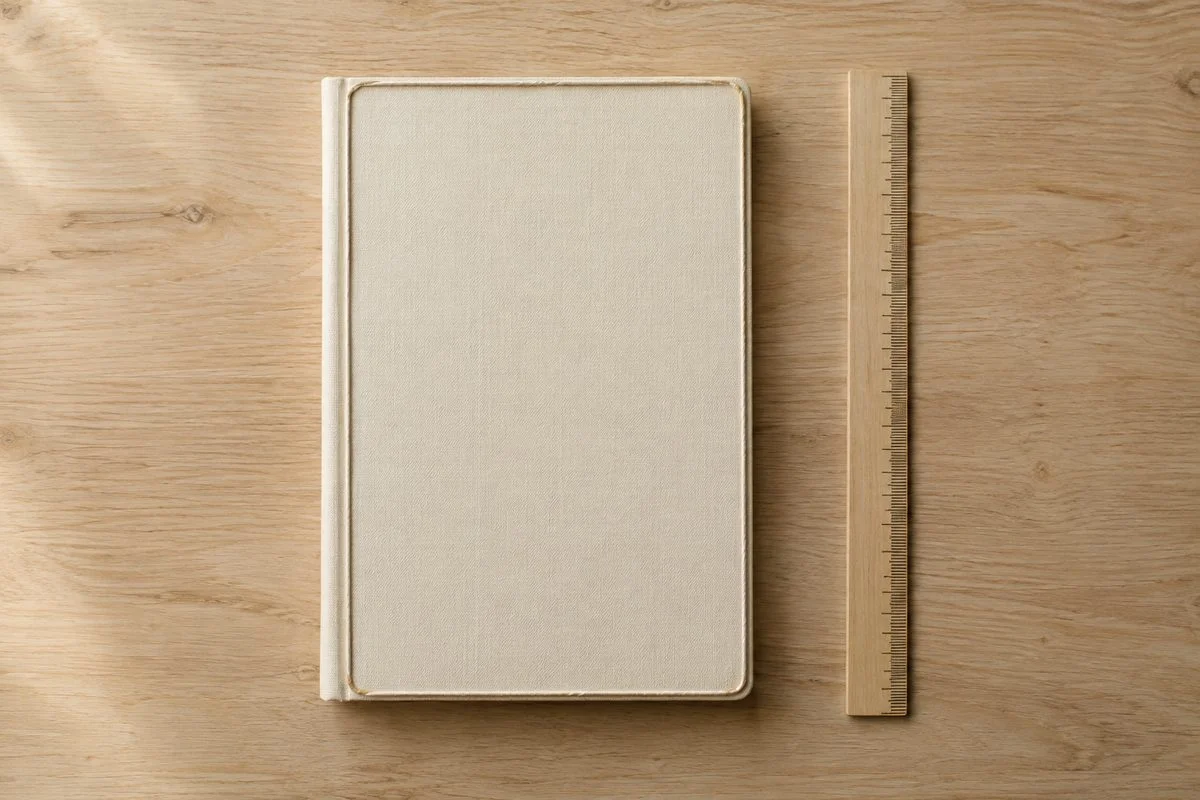
String follows a notebook cover’s edges, with a ruler beside it.

1. Perimeter

The total length around a shape’s outside edge.

Show
Lay string around the notebook cover’s edges. Mark where it meets its start. After predicting, straighten and measure.
Ask
How much ribbon would make a border around this cover?
Say
The measured string gives the perimeter because it follows the entire outside edge once.
Used in
A garden’s perimeter gives the fencing length needed when the whole boundary needs fencing.
If your child says…“The space inside tells us how much ribbon we need.”
Ask
Which part of the cover does the string follow?
What’s true
Ribbon around a border uses boundary length.
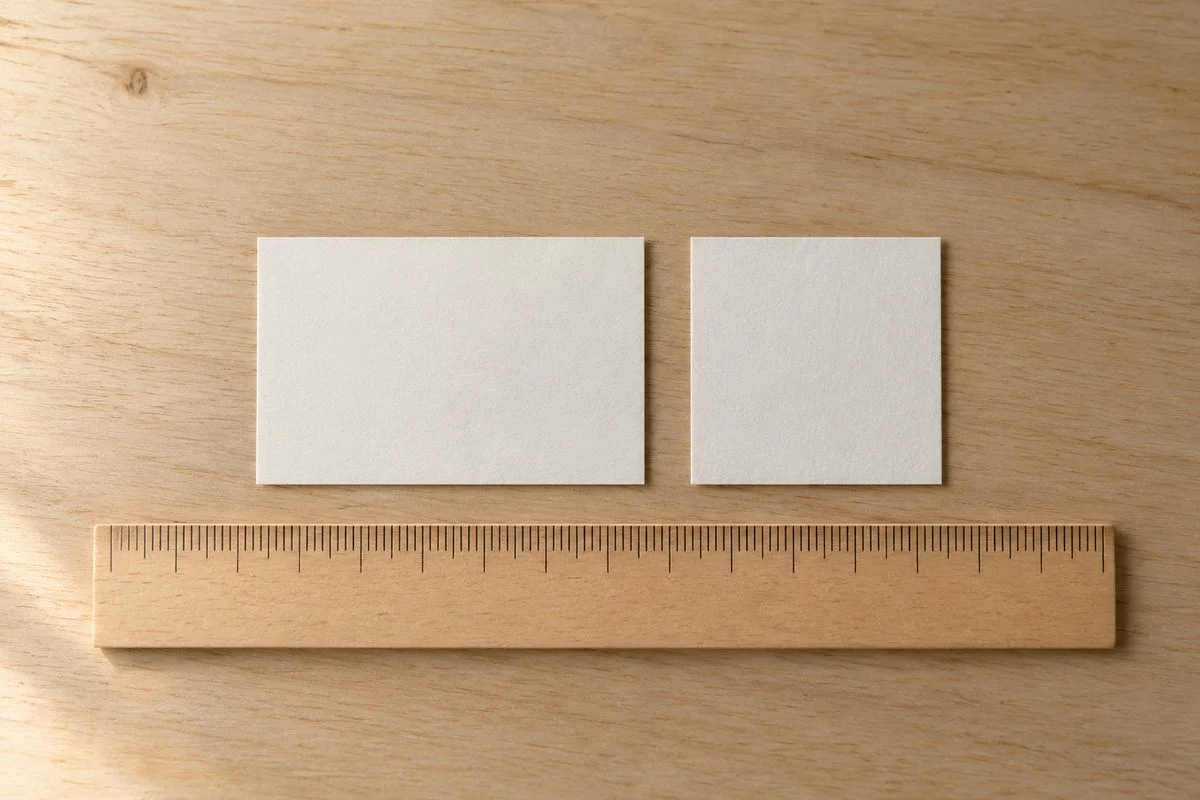
A paper rectangle and square lie beside a ruler.

2. Perimeter of a Rectangle and a Square

Add every edge, using repeated lengths to shorten the addition.

Show
Prepare a 6 cm by 4 cm paper rectangle and a 4 cm square. Measure every edge. Point around each outline.
Ask
How long do you think each complete border will be?
Say
Add length and breadth, then double, because the boundary contains each twice. A square follows this rule too, with equal length and breadth.
Used in
A square cushion’s perimeter gives the braid length needed to trim its edges.
If your child says…“One length plus one breadth is enough.”
Ask
Where do you finish after following just one long edge and one short edge?
What’s true
A rectangle has two lengths and two breadths around its boundary.
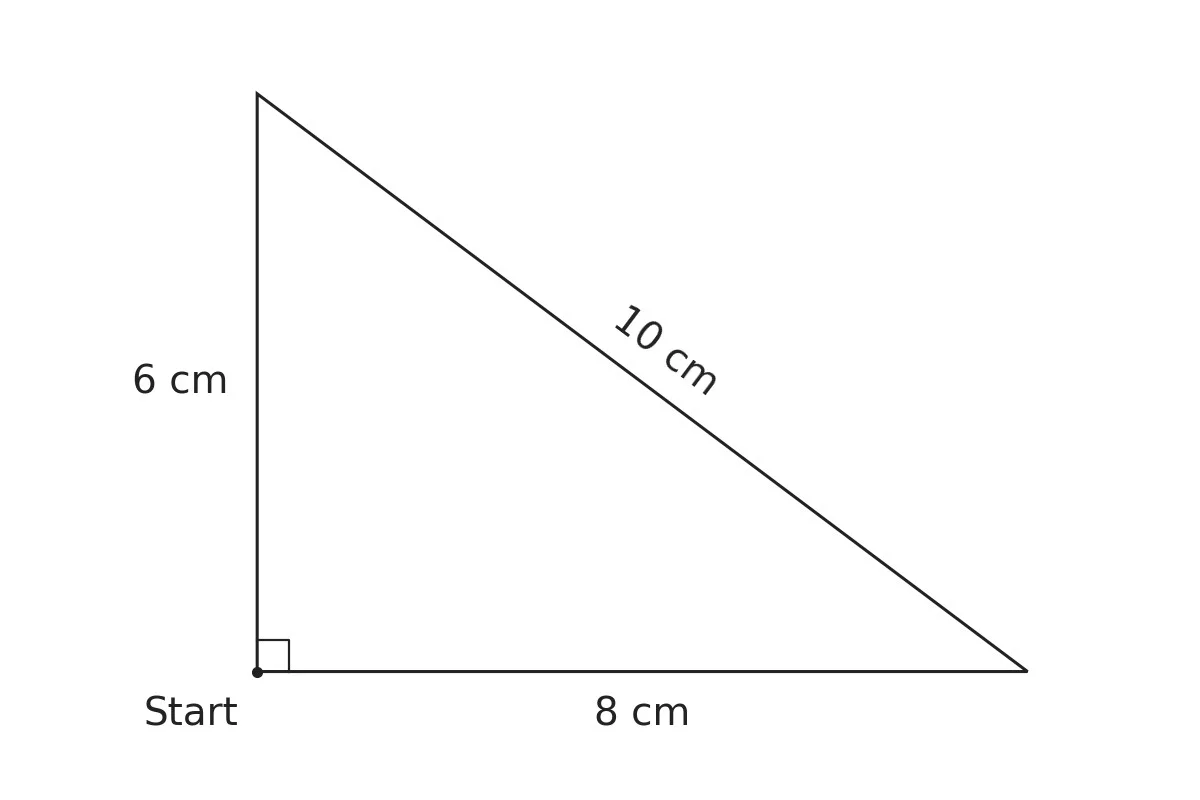
A triangle has sides labelled 6 cm, 8 cm and 10 cm.

3. Perimeter of a Triangle

Add the lengths of the triangle’s actual edges.

Show
Look at the diagram. Find Start, then follow the boundary back to it. Read each edge’s length once.
Ask
How much border will go around all three edges of this triangle?
Say
The border needs 24 cm. Add 6, 8 and 10 because every edge contributes its length.
Used in
A triangular flag’s perimeter gives the ribbon length needed to finish its edges.
If your child says…“Every triangle’s perimeter is three times one side.”
Ask
Do this triangle’s other edges match its shortest edge?
What’s true
Multiplying one side by three works only when all sides match.
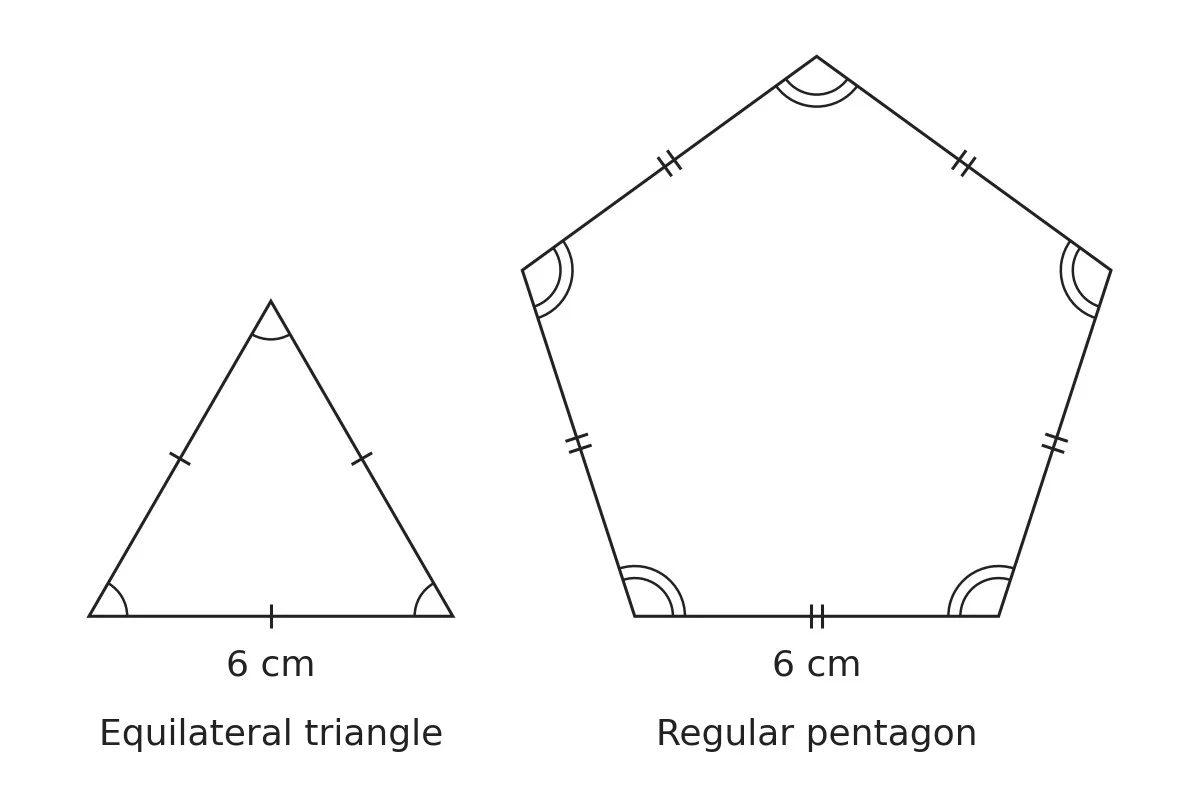
An equilateral triangle and regular pentagon show equal sides and equal angles.

4. Regular Polygons

Closed shapes with straight sides of equal length and equal angles.

Show
Look at the diagram. Find the equal-side and equal-angle marks. Count each shape’s sides.
Ask
How much border does each shape need with 6 cm sides?
Say
Multiply 6 cm by each shape’s side count. The triangle needs 18 cm. The pentagon needs 30 cm.
Used in
Equal sides simplify finding the edging length for a regular polygon-shaped flower bed.
If your child says…“Equal sides always make a shape regular.”
Ask
Besides equal-side marks, which marks show that these shapes are regular?
What’s true
The angles must match too.

Measuring covered space

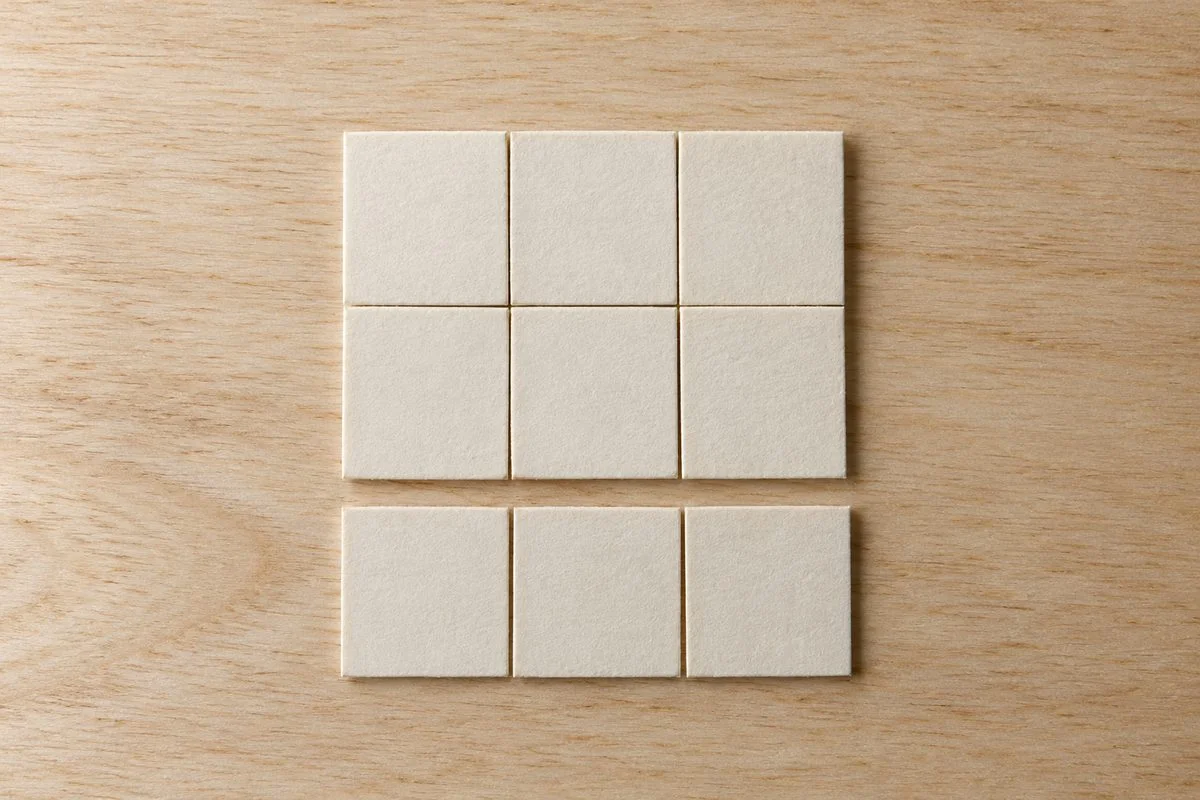
Six paper squares form a rectangle, with another row of three slightly separated.

5. Area

How much surface a shape covers, measured in square units.

Show
Make two rows of three 1 cm paper squares, without gaps. Keep another row alongside. After predicting, add it and count.
Ask
How many square centimetres will the completed square cover?
Say
Each row has three squares, and there are three rows. Three times three gives 9 square centimetres.
Used in
A wall’s area helps work out how much paint will cover it.
If your child says…“I counted squares, so the area is in centimetres.”
Ask
Are you counting lengths along an edge or squares covering the surface?
What’s true
Centimetre squares measure coverage in square centimetres.
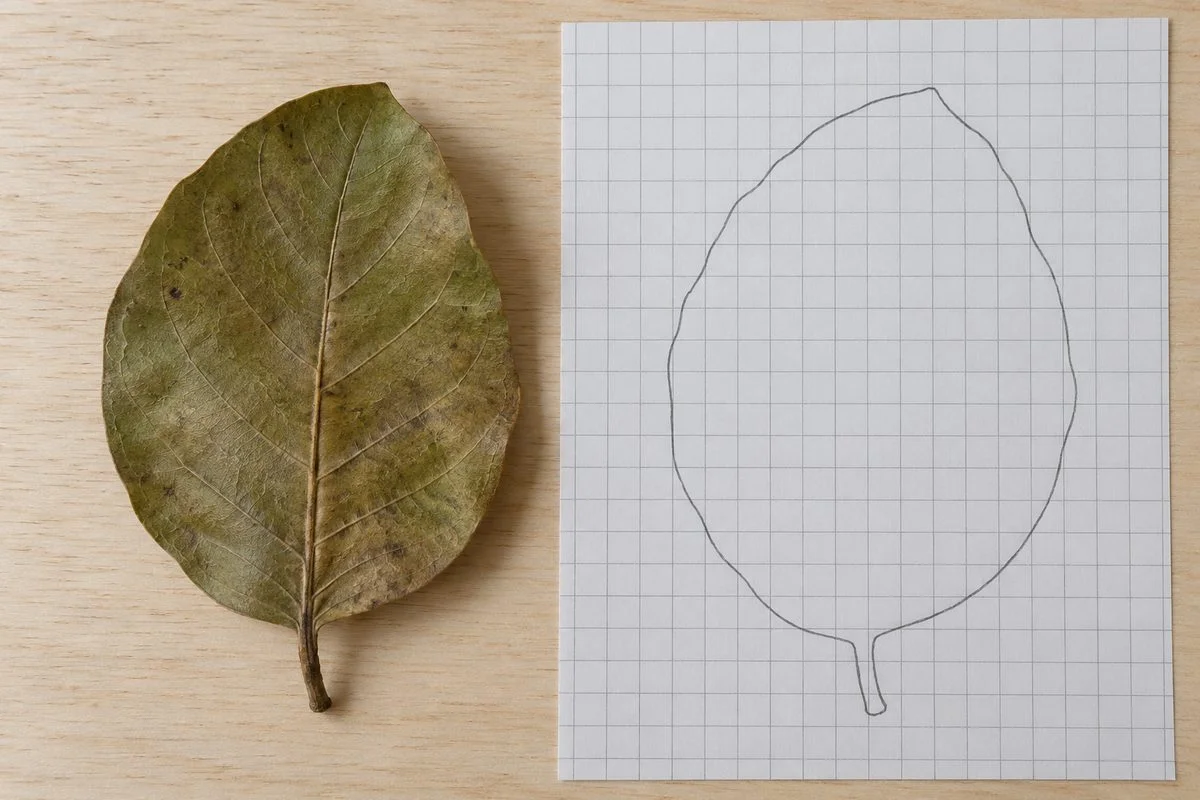
A fallen leaf lies beside its outline on squared paper.

6. Estimating Area

Use grid squares to find roughly how much surface is covered.

Show
Trace a fallen leaf on a 1 cm grid. Remove it. After predicting, mark each covered cell’s contribution and add.
Ask
Will counting every touched square give more area than the leaf covers?
Say
Count full squares and pieces larger than half as 1 each. Count exact halves as 12\frac{1}{2} and smaller pieces as 0, then add.
Used in
Estimating an uneven garden patch’s area helps work out how much grass will cover it.
If your child says…“Every square the leaf touches counts as a whole square.”
Ask
How much of this barely touched square was actually beneath the leaf?
What’s true
Count each edge square according to how much of it the leaf covers.
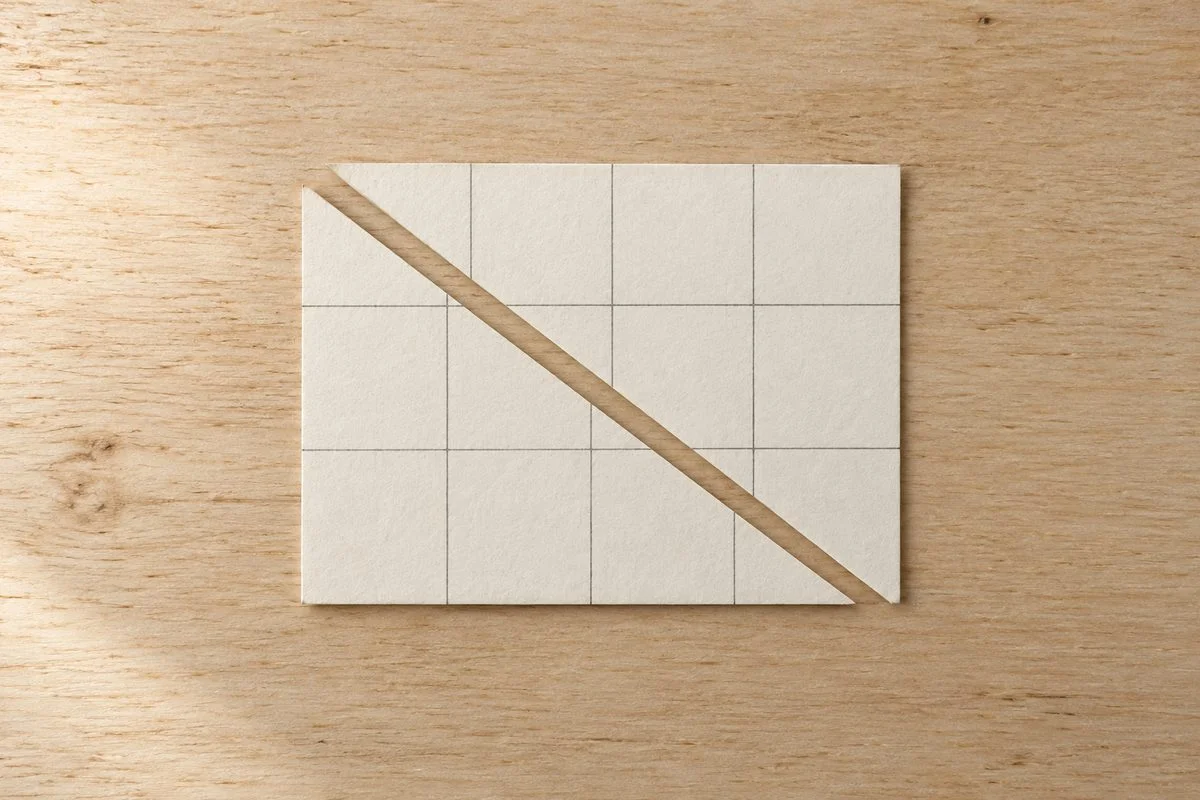
Two gridded paper triangles almost form a rectangle, with a narrow diagonal gap.

7. Area of a Triangle

Each diagonal half of a rectangle has half its area.

Show
Count the centimetre squares in a 4 cm by 3 cm paper rectangle. An adult cuts between opposite corners. After predicting, overlap the triangles, then reassemble.
Ask
How much paper does each triangular decoration use?
Say
The matching pieces share 12 square centimetres equally, so each covers 6 square centimetres.
Used in
A diagonal cut makes matching triangular decorations without wasting any of the rectangular sheet.
If your child says…“The narrower-looking triangle covers less.”
Ask
What happens when you place one triangle exactly over the other?
What’s true
These matching triangles cover equal areas, whichever way they face.

A real problem

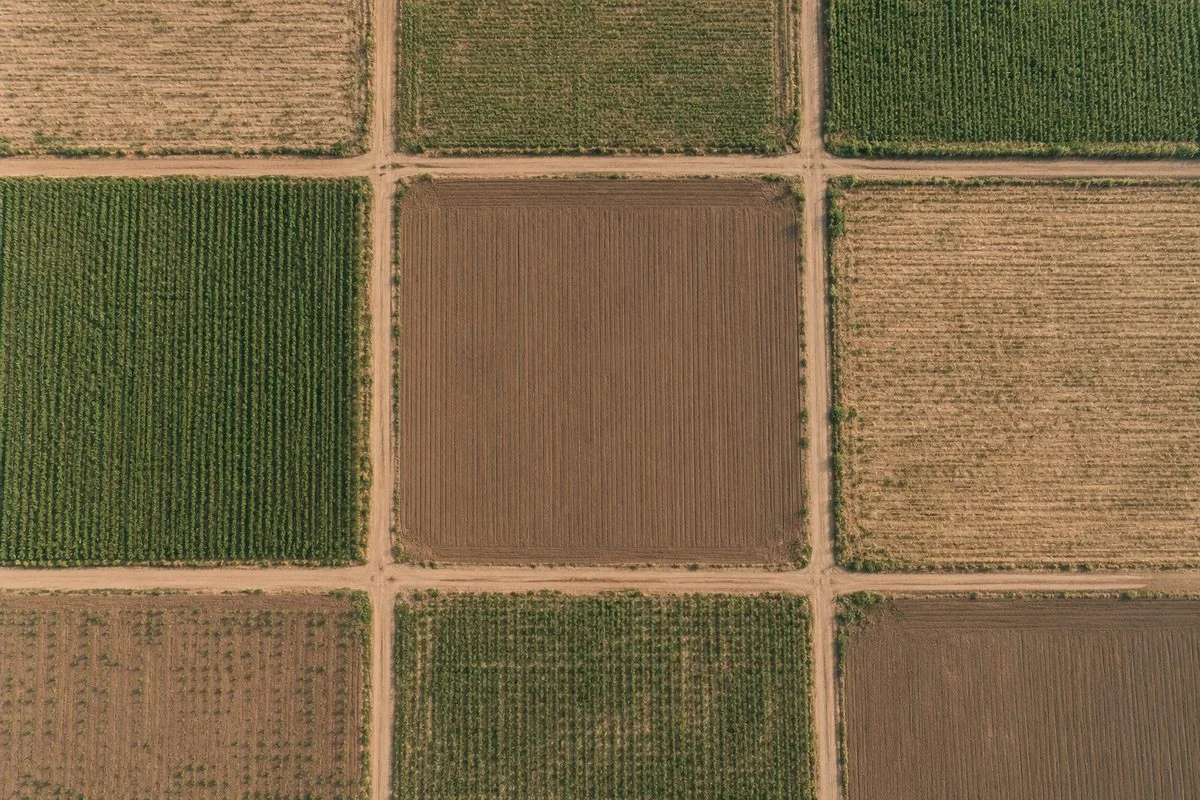
The US Land Ordinance set rules for surveying land.

The ordinance was adopted on May 20, 1785.

Land had to be divided into square townships.

Systematic surveys had to happen before land was sold or settled.

Encyclopedia VirginiaKnox College

Square farm fields separated by straight roads, viewed from above.

Concept Lab · Common misconception

The tempting mistake in Perimeter and Area

Open standalone misconception page →

Does equal fencing give equal area?

Wrong

Rectangles with the same perimeter enclose the same area.

Why it feels right. The same amount of fence seems to enclose the same space.

Right

Perimeter measures the boundary. Area counts the space inside.

Worked example

Both outlines measure 12 units. Count the tiles inside each outline.
  1. A 5 × 1 and a 3 × 3 rectangle each need 12 units of fence.
  2. They cover 5 and 9 square units, respectively.

Ask your child seven quick questions.

One per step. The answer and the reason are given.

  1. What must you measure to buy ribbon for this notebook’s border?

    The full outside edge. Ribbon follows the edge without covering the middle.

  2. A rectangle measures 6 cm by 4 cm. How long is its complete border?

    20 cm. The boundary includes both long edges and both short edges.

  3. A triangle has sides 5, 5 and 8 cm. What is its perimeter?

    18 cm. The unequal side still contributes its full length.

  4. A shape has equal sides but unequal angles. Is it regular?

    No. A regular polygon needs matching angles as well as matching side lengths.

  5. What unit describes the space covered by these 1 cm squares?

    Square centimetres. Each counted piece covers a square, rather than measuring just a length.

  6. For this estimate, what does a square covered less than halfway contribute?

    0 square centimetres. Small edge pieces are ignored instead of counted as whole squares.

  7. Turn one triangle so it looks taller. What area does it cover?

    6 square centimetres. Turning the triangle changes its position, not the amount of paper.

15 more questions with answers, 15 with pictures