Matching across a line or after less than a full turn.
Show
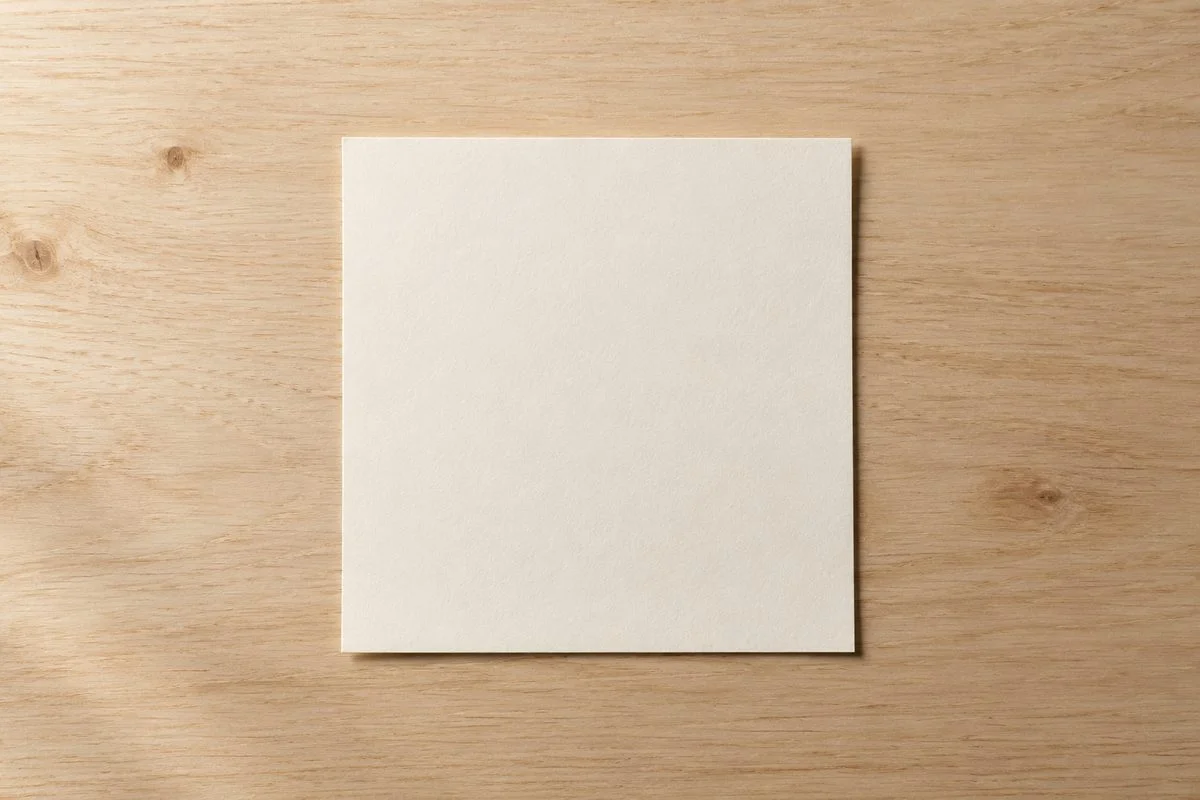
Lay out a paper square. After predicting, test edge-to-edge and corner-to-corner folds, reopening after each.
Ask
How many different folds will make the halves match exactly?
Say
The square repeats matching halves across four lines of symmetry, including both slanting lines.
Used in
Tailors fold cloth to cut matching sides of a garment together.
If your child says…“Slanting folds don't count.”
Ask
When you fold corner-to-corner, which part fails to match?
What’s true
A slanting crease counts whenever folding there makes the halves fit exactly.
2. Reflection
A flipped copy that keeps lengths and angles.
Show
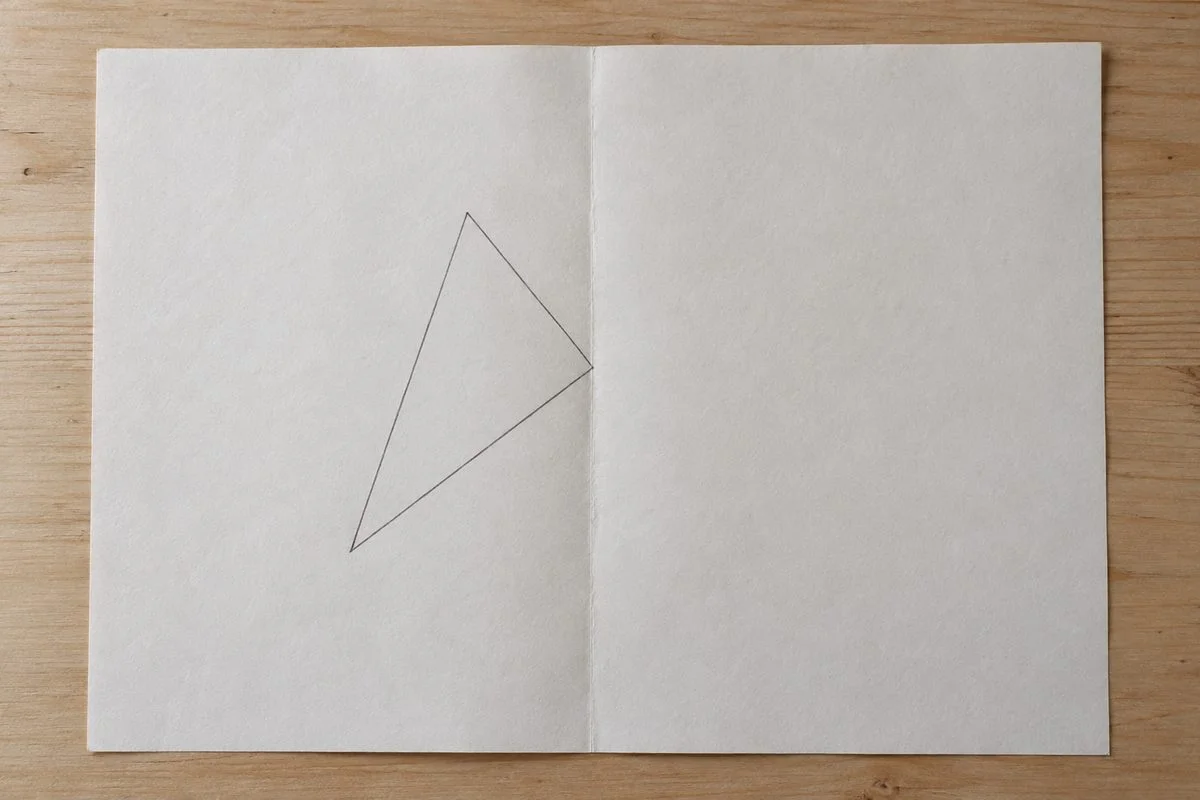
Crease thin paper vertically. Draw a triangle with corners 0, 2 and 4 cm horizontally from the crease. After predicting, fold with the drawing outside and trace against a window. Unfold and measure.
Ask
What will stay unchanged in the traced copy?
Say
Lengths, angles and distances from the crease stay unchanged. The corner on the crease stays put.
Used in
A flat mirror preserves shapes, helping you check whether a collar sits evenly.
If your child says…“The flipped triangle will have different angles.”
Ask
When you fold again, do the corners fit exactly?
What’s true
Turning a shape over changes its direction, but preserves its lengths and angles.
3. Generating Shapes Having Lines of Symmetry
Complete matching halves using equal distances across a line.
Show
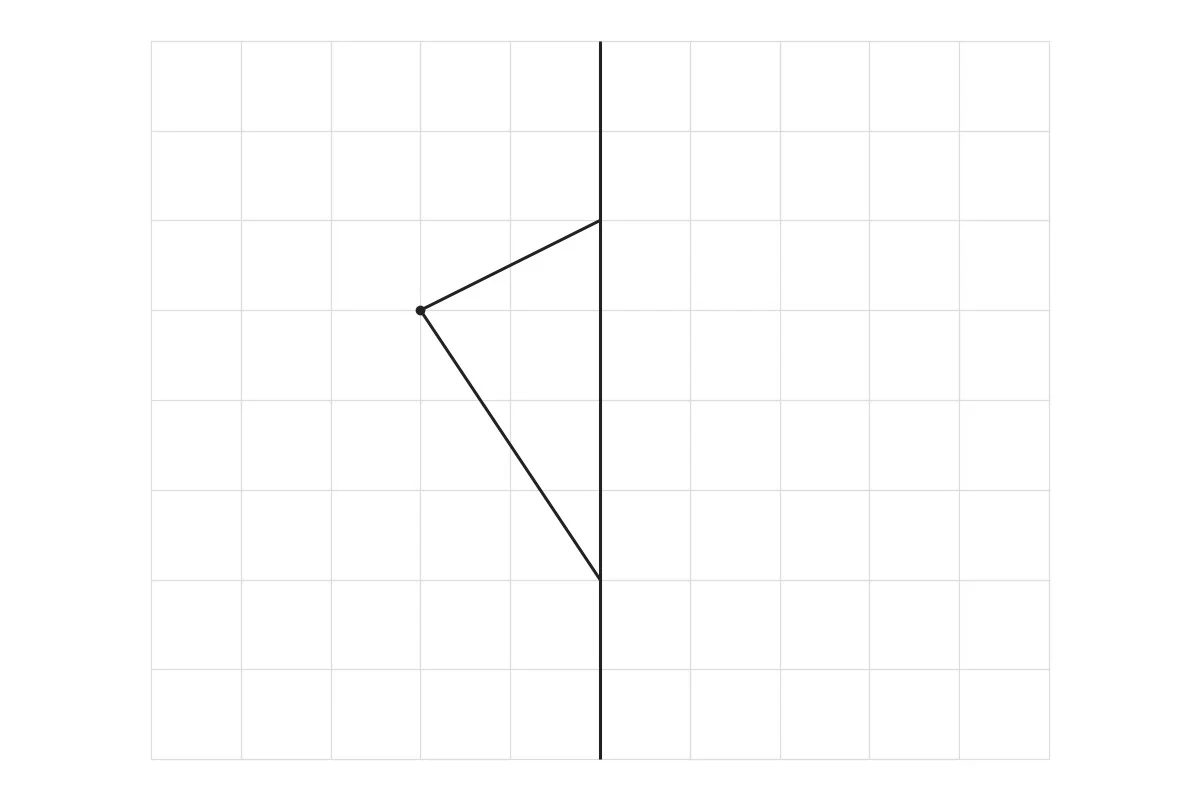
Draw a vertical line on squared paper. Mark a corner two squares left. Join it to points on the line, one square above and three below. After predicting, complete the right half and fold.
Ask
Where will the matching corner go?
Say
The matching corner is two squares right of the line, level with the left corner. Folding then makes the halves overlap.
Used in
Matching halves help a kite balance in flight.
If your child says…“I can just slide the left half across.”
Ask
Would a sideways slide keep both end corners on the fold?
What’s true
The other half must face back towards the line, with corresponding corners equally far away.
Matching after a turn
4. Rotational Symmetry
A shape matches itself before completing a full turn.
Show
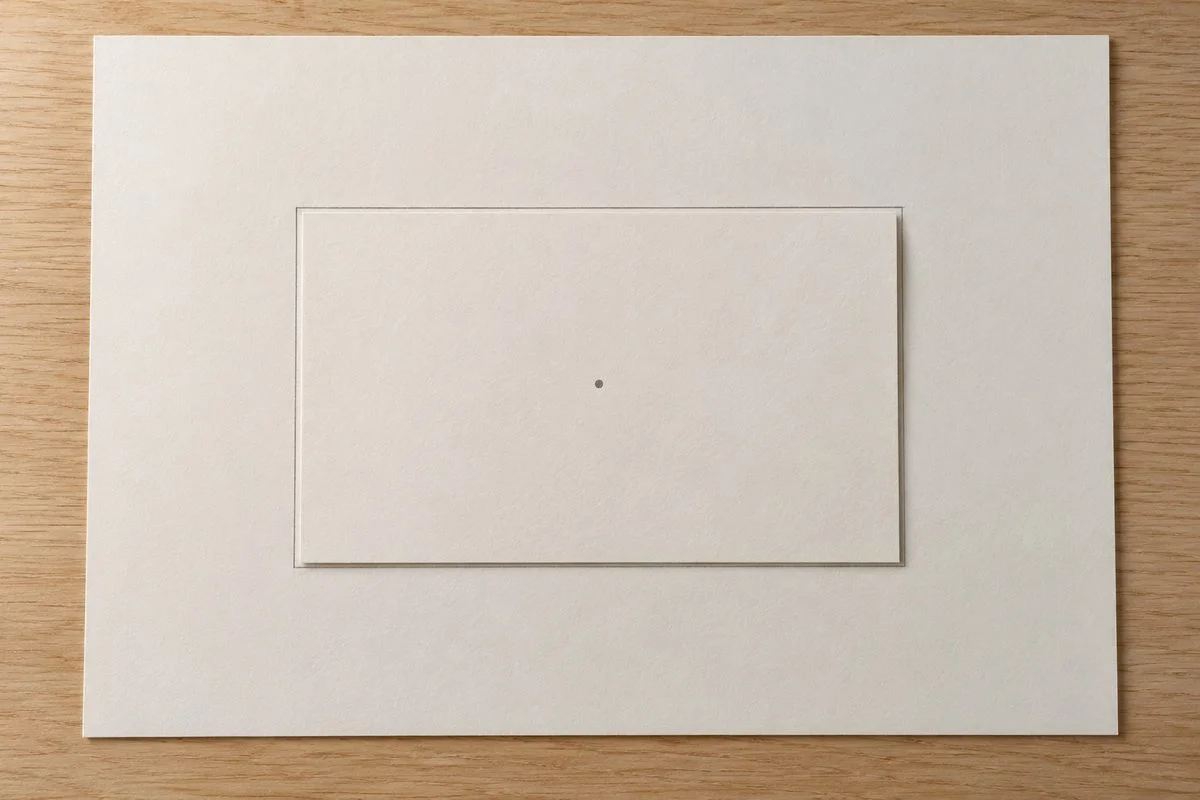
Use a paper rectangle with unequal neighbouring sides. Trace its outline. After predicting, hold its centre with a fingertip. Turn it flat through a full turn, stopping at each match.
Ask
How many matches will occur, including the full turn?
Say
The half-turn match, 180°, gives rotational symmetry. Including the full-turn match, 360°, gives two matches: order 2.
Used in
Plain rectangular lids fit either way round, making replacement easier.
If your child says…“Every shape has rotational symmetry because a full turn brings it back.”
Ask
Did this rectangle need a full turn before its first match?
What’s true
Here, rotational symmetry requires a match before the full turn finishes.
A real problem
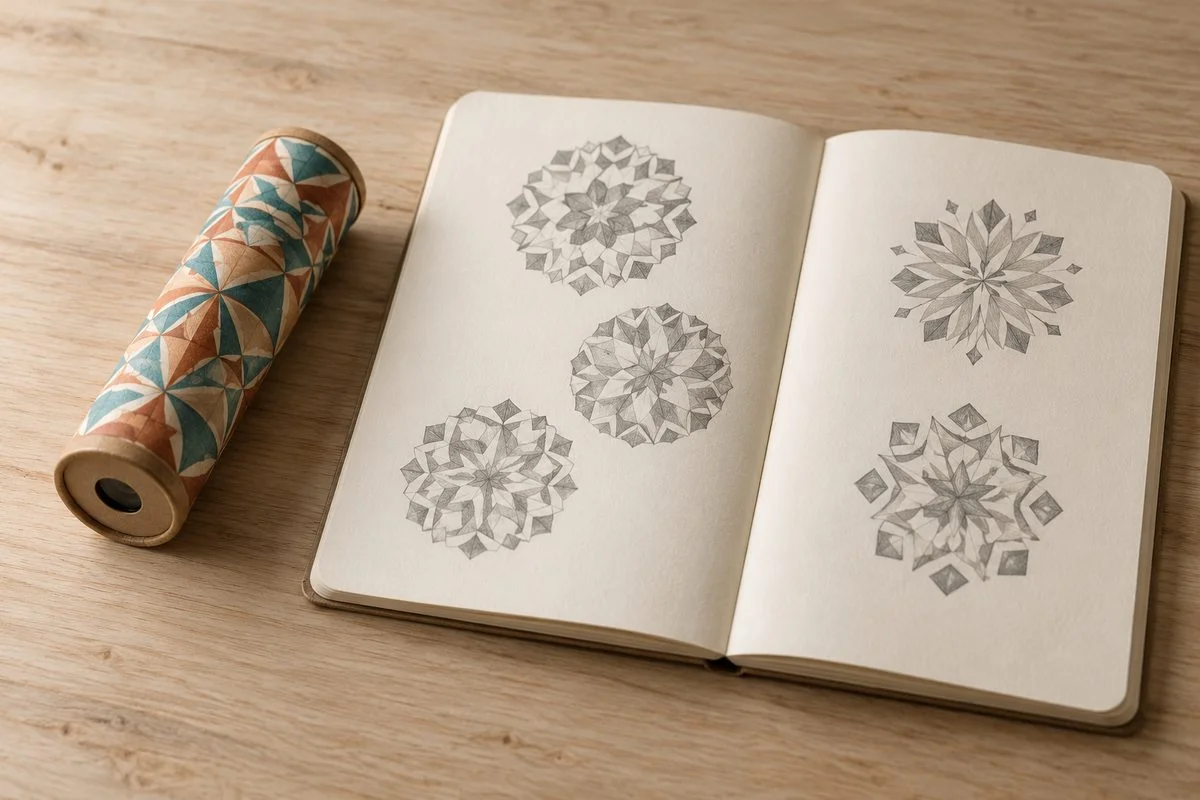
A kaleidoscope helped designers create patterns quickly.
David Brewster patented the kaleidoscope in 1817.
Reflections inside it produce a symmetrical figure.
Designers could expand a sketched pattern segment into several designs quickly.
We use cookies, including Meta’s and, if a ChatGPT advert brought
you, OpenAI’s, to see how visitors find us.
They are never used on your child’s screens in the app. You can turn them
off here, and change your mind any time.
Privacy policy