Skip to content

Teach A Journey through States of Water in seven steps.

For each idea: show it, ask before you tell, then say one line.

Gather water, a steel plate, bowls, ice, a tumbler, a dry cloth, matching cloths and paper. Use a fridge-freezer.

Common misconceptions & worked visual for this chapter · 15 practice questions with answers

How to teach it

Water changes its form

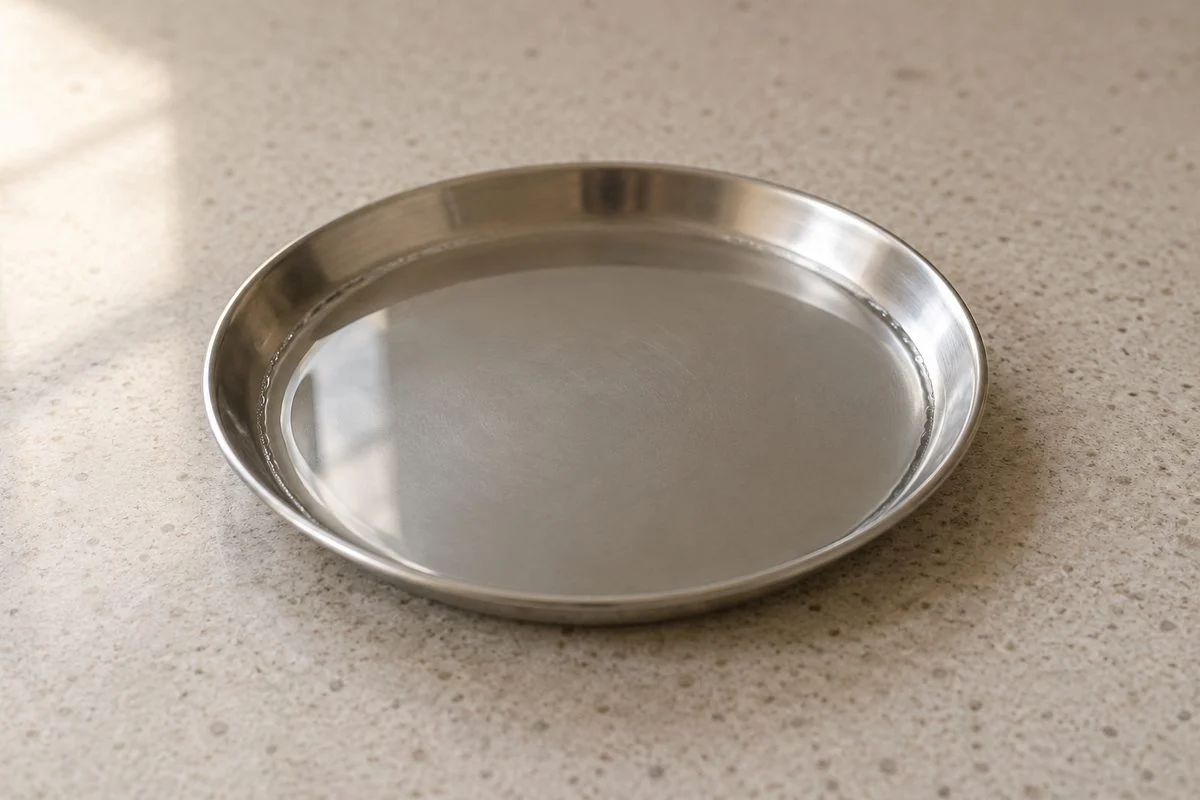
A shallow puddle on a steel plate.

1. Evaporation

Liquid water becomes invisible water vapour.

Show
Leave a little water on an intact steel plate.
Ask
What will happen to this water left in the open?
Say
Water can enter the air as invisible vapour without strong heating.
Used in
Water evaporates from washed utensils, leaving them dry.
If your child says…“The water soaked through the steel.”
Ask
Is anything wet underneath the plate?
What’s true
Water cannot soak through an intact steel plate.
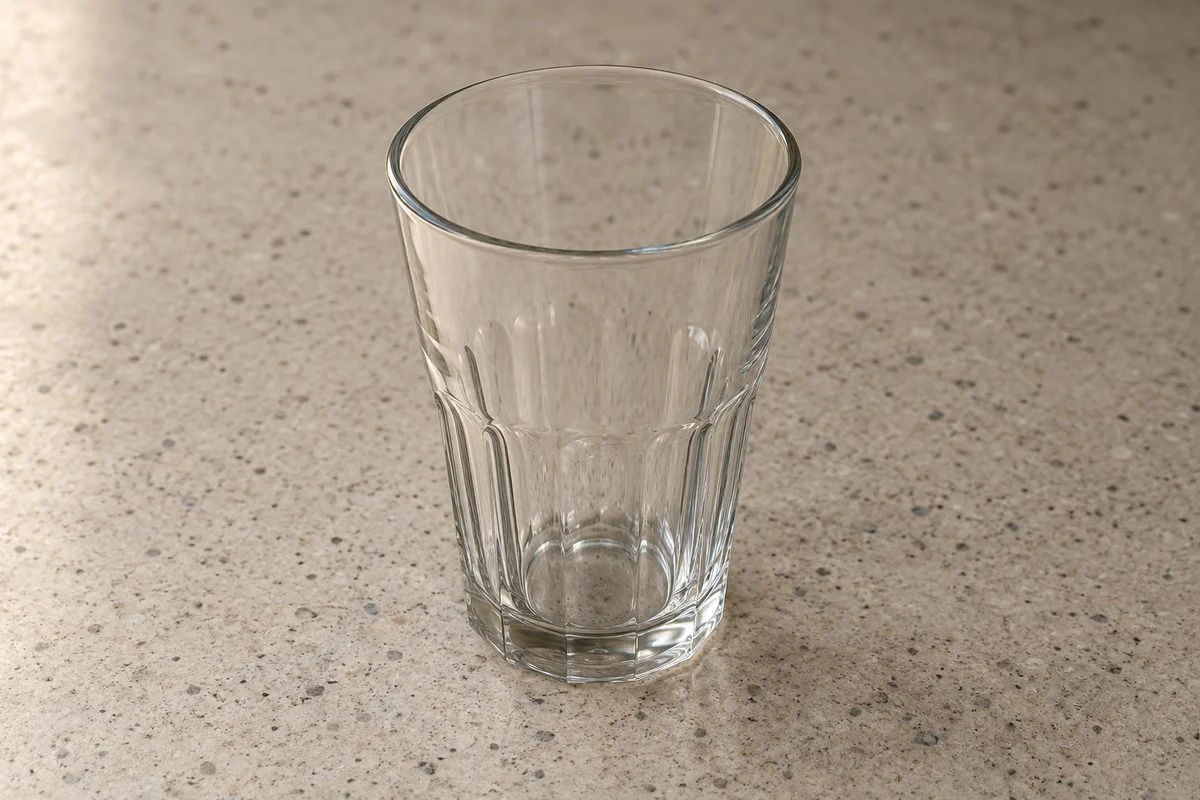
An empty, dry glass tumbler on a stone surface.

2. Condensation

Water vapour becomes liquid when cooled enough.

Show
Chill an empty tumbler, then wipe it dry. Leave it out and watch for droplets.
Ask
Will its outside stay dry?
Say
Air contains water vapour that can become droplets on a sufficiently cold surface.
Used in
Kavaratti’s plant condenses vapour to provide drinking water.
If your child says…“Water leaked through the tumbler.”
Ask
What water was inside this empty tumbler?
What’s true
Outside droplets come from the surrounding air.
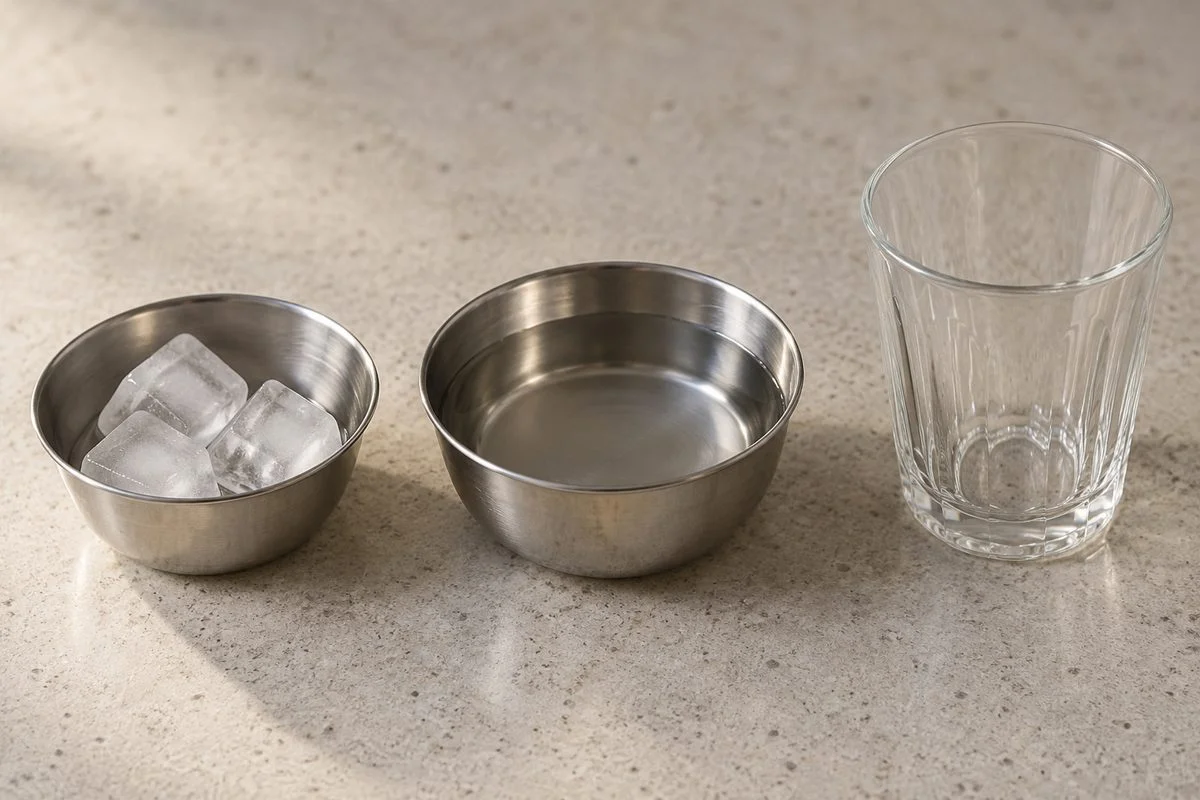
Bowls of ice and water beside an empty tumbler.

3. States of water

Ice holds its shape, liquid flows, and vapour spreads.

Show
Set ice and water in separate bowls beside an empty tumbler. After predicting, move the ice into the tumbler and back, then pour in the water.
Ask
Which changes shape immediately when moved into the tumbler?
Say
The ice kept its shape, while liquid water took the tumbler’s shape.
Used in
Liquid water fits differently shaped vessels, making it easy to store.
If your child says…“Ice spreads everywhere, like vapour.”
Ask
Did the cube fill the tumbler’s shape?
What’s true
An unmelted ice cube retains its shape.
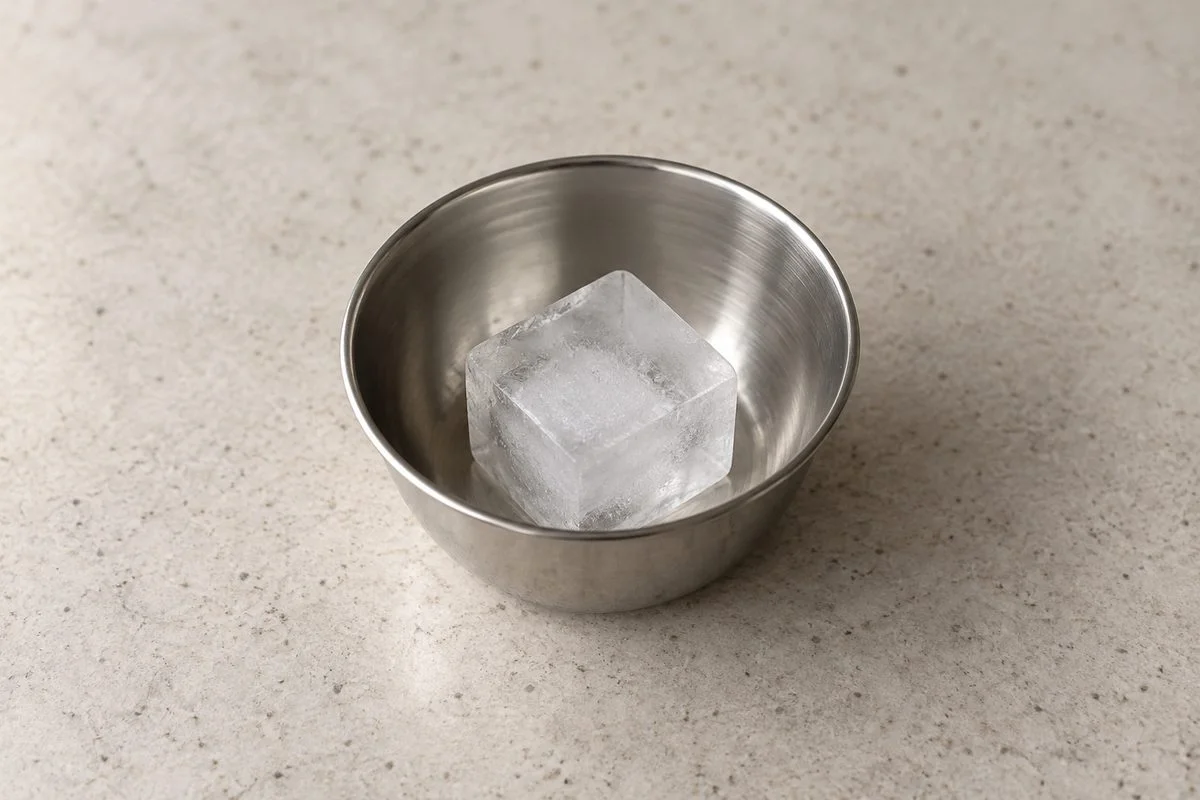
An ice cube in a small steel bowl.

4. Melting and freezing

Ice melts into water, and water freezes into ice.

Show
Leave ice in a bowl to melt. Later, return that water to the freezer.
Ask
Will turning this water back into ice need anything added?
Say
Warming melts ice, and sufficient cooling freezes water. Both remain water.
Used in
Freezing supplies ice that can cool water in a tumbler.
If your child says…“The freezer adds something to make ice.”
Ask
What did we add before putting the bowl back?
What’s true
A freezer removes heat without adding another substance.

Drying and cooling

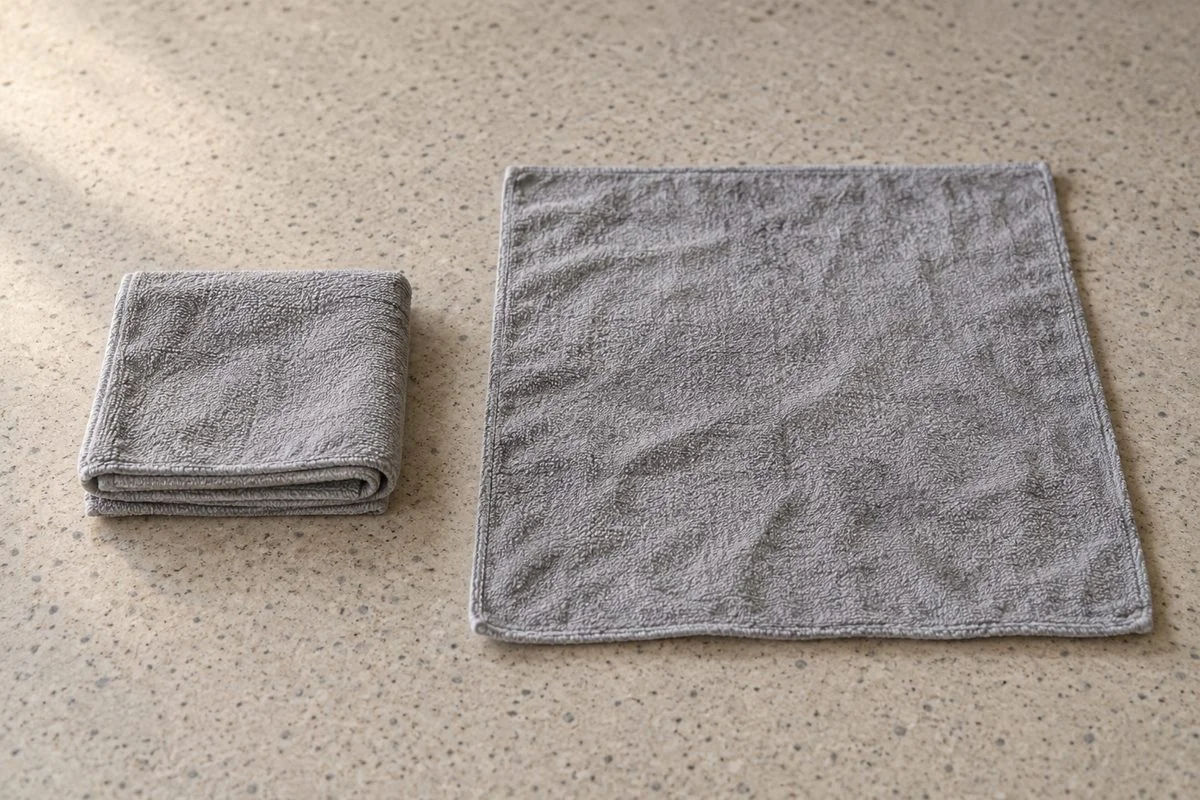
Matching wet cloths, one folded on the left and one spread on the right.

5. Factors affecting evaporation

Warmth, exposed surface, airflow and invisible water vapour in air affect drying.

Show
Set equally wet matching cloths together, one folded and one spread.
Ask
Which will dry first?
Say
Spreading exposes more wet surface to air, helping the cloth dry faster.
Used in
Moving air carries vapour away, helping wet clothes dry faster.
If your child says…“Only heat speeds up drying.”
Ask
Which cloth exposes more wet surface?
What’s true
Equal temperatures need not mean equal drying speeds.
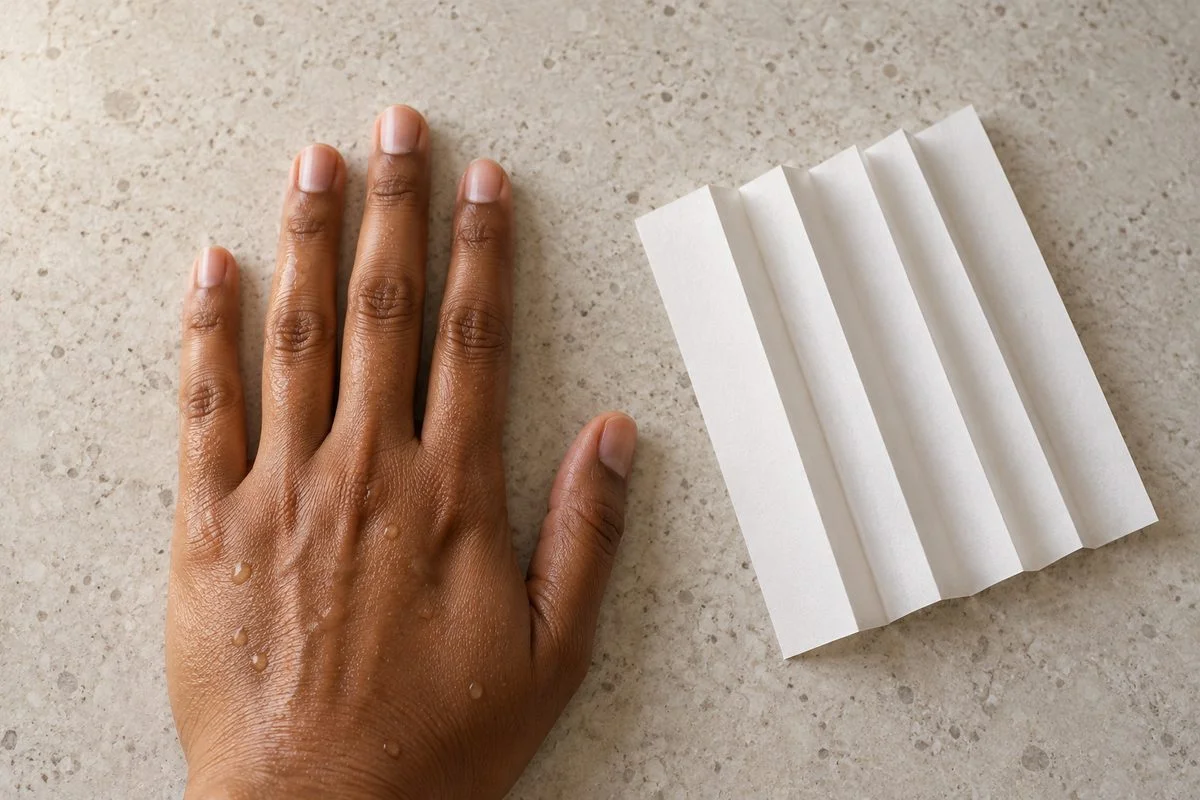
One damp hand beside folded paper, ready for fanning.

6. Cooling effect of evaporation

Water takes in heat as it evaporates.

Show
Dampen one hand. Fan it with folded paper after predicting.
Ask
How will the wet skin feel?
Say
Evaporating water takes heat from your skin, making it cooler.
Used in
In warm, dry air, evaporation helps an earthen pot keep its water cool.
If your child says…“Drying only removes water.”
Ask
Does your wet hand feel different while it dries?
What’s true
Evaporation removes heat as well as water.

Water in nature

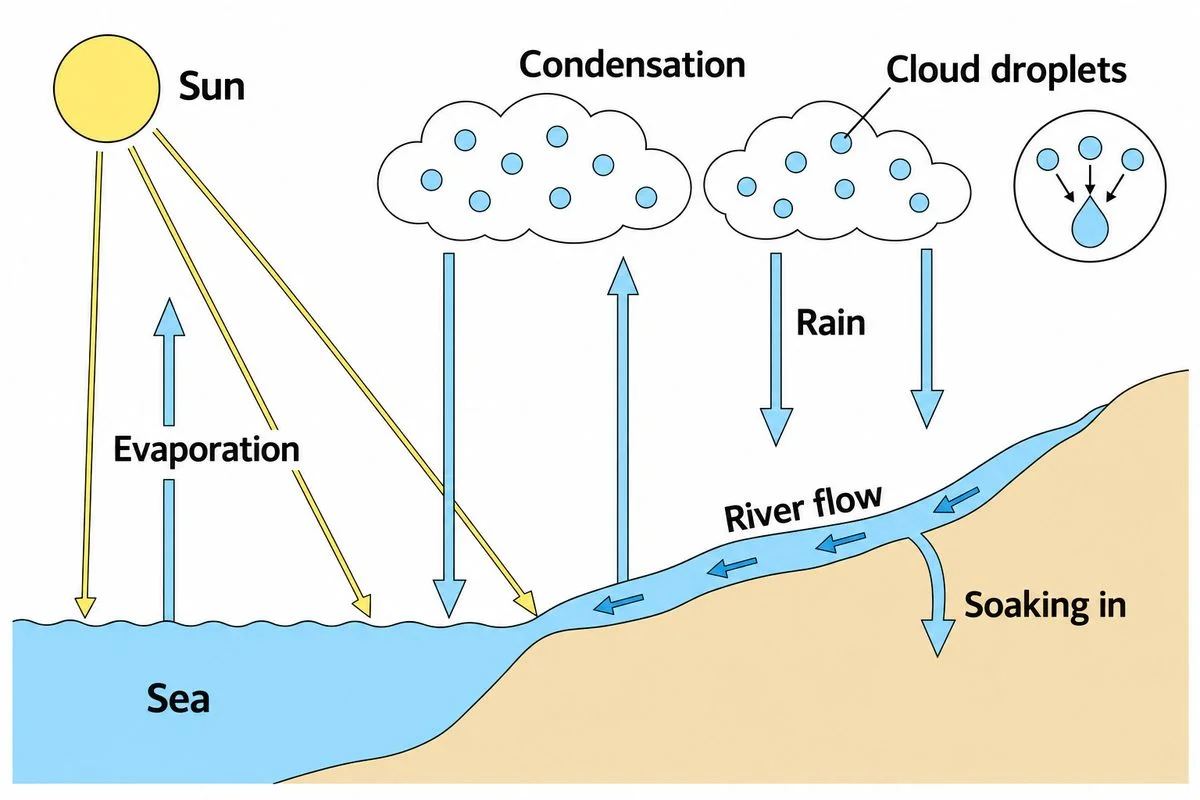
Water cycle diagram linking evaporation, clouds, rain, river flow and water soaking into soil.

7. Clouds, rain and the water cycle

Water enters air, returns to Earth, and circulates again.

Show
Look at the diagram. Follow arrows from sea to clouds, then rain, rivers and soil.
Ask
What will happen to this seawater before it can fall as rain?
Say
Sunlight helps sea and river water evaporate. Cooling vapour forms cloud droplets that can join, grow and fall as rain. Rainwater flows towards the sea or soaks into soil, and water can evaporate again.
Used in
Seasonal rain helps meet freshwater needs where groundwater is limited.
If your child says…“The water cycle ends when rain reaches the ground.”
Ask
Where could river water go after flowing back to the sea?
What’s true
Rainwater can enter the air again through evaporation, so the cycle continues.

A real problem

Kavaratti’s plant uses changes of state to supply drinking water.

Lakshadweep faced drinking-water shortages because groundwater was limited, saltwater entered it, and rainfall was seasonal.

Kavaratti’s plant began operating in 2005, providing an alternative to salty drinking water.

Warm seawater evaporates under low pressure.

Cold deep-sea water helps turn the vapour back into liquid.

Press Information BureauIEEE SpectrumPress Information Bureau

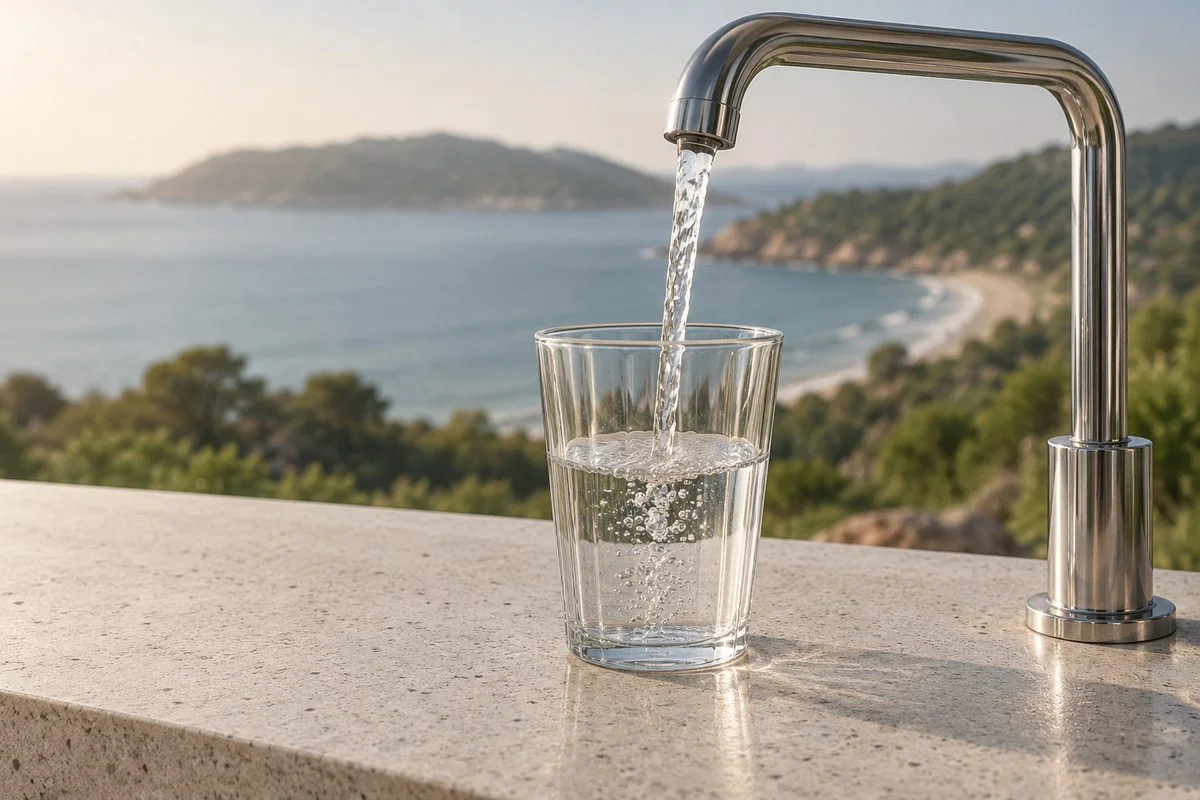
A tap fills a drinking-water glass beside an island coastline.

Concept Lab · Common misconception

The tempting mistake in A Journey through States of Water

Open standalone misconception page →

Can water evaporate without boiling?

Wrong

A puddle can dry only if the water boils.

Why it feels right. Both processes turn liquid into vapour, so I expect the same conditions.

Right

Evaporation can happen at the surface below the boiling point.

Worked example

Water leaves the surface at room temperature. The dots above the water represent vapour.
  1. A shallow puddle gets smaller at room temperature without bubbling.
  2. Water escapes from the surface into the air.

Ask your child seven quick questions.

One per step. The answer and the reason are given.

  1. Water left on an intact steel plate disappears. Where did it go, and how?

    Into the air as vapour. Evaporation carries water into the air without passing through steel.

  2. Where does water outside an empty, chilled tumbler come from?

    Vapour in the air. The cold surface cools nearby vapour enough to form liquid.

  3. How does water vapour spread differently from an ice cube?

    It fills available space. Vapour spreads as a gas, while solid ice holds its shape.

  4. What does a freezer add to water to make ice?

    Nothing. Removing enough heat changes liquid water into solid ice.

  5. Two equally wet, matching folded cloths share the same conditions. Will spreading one speed its drying?

    Yes. Spreading exposes more wet surface, so drying speeds up without extra heat.

  6. Why does evaporating sweat help cool your skin?

    It takes heat away. Evaporating sweat takes heat from the skin.

  7. Rainwater has reached the ocean. What change can return this water to the air?

    Evaporation. Water can become vapour again, so rainfall does not end the cycle.

15 more questions with answers, 15 with pictures