Skip to content

Teach Diversity in the Living World in eight steps.

For each idea: show it, ask before you tell, then say one line.

Gather paper, pencil, steel saucer, rooted grass, soaked whole chickpea, nearby plants including short hibiscus, and access to a tree and pigeons.

Common misconceptions & worked visual for this chapter · 15 practice questions with answers

How to teach it

Observe and group

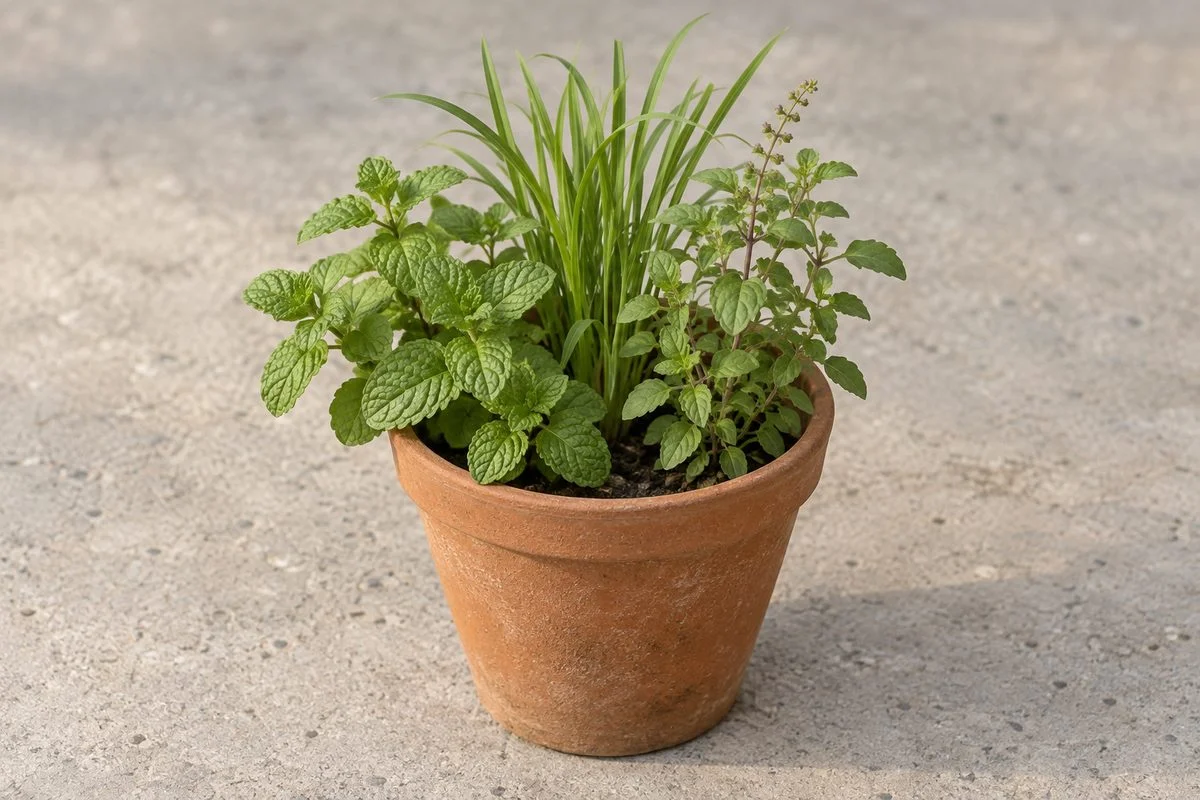
Different plants growing together in a courtyard planter.

1. Biodiversity

The different kinds of living things in a place.

Show
Choose a nearby planted spot. Predict first, then record living things without disturbing them.
Ask
Will our list contain only animals?
Say
Our list will include plants too.
Used in
Trees feed fruit-eating animals, which can carry seeds to new places.
If your child says…“Biodiversity means lots of animals.”
Ask
Where do the plants in this spot belong on our list?
What’s true
Biodiversity includes different kinds of plants and animals, even those unseen during a walk.
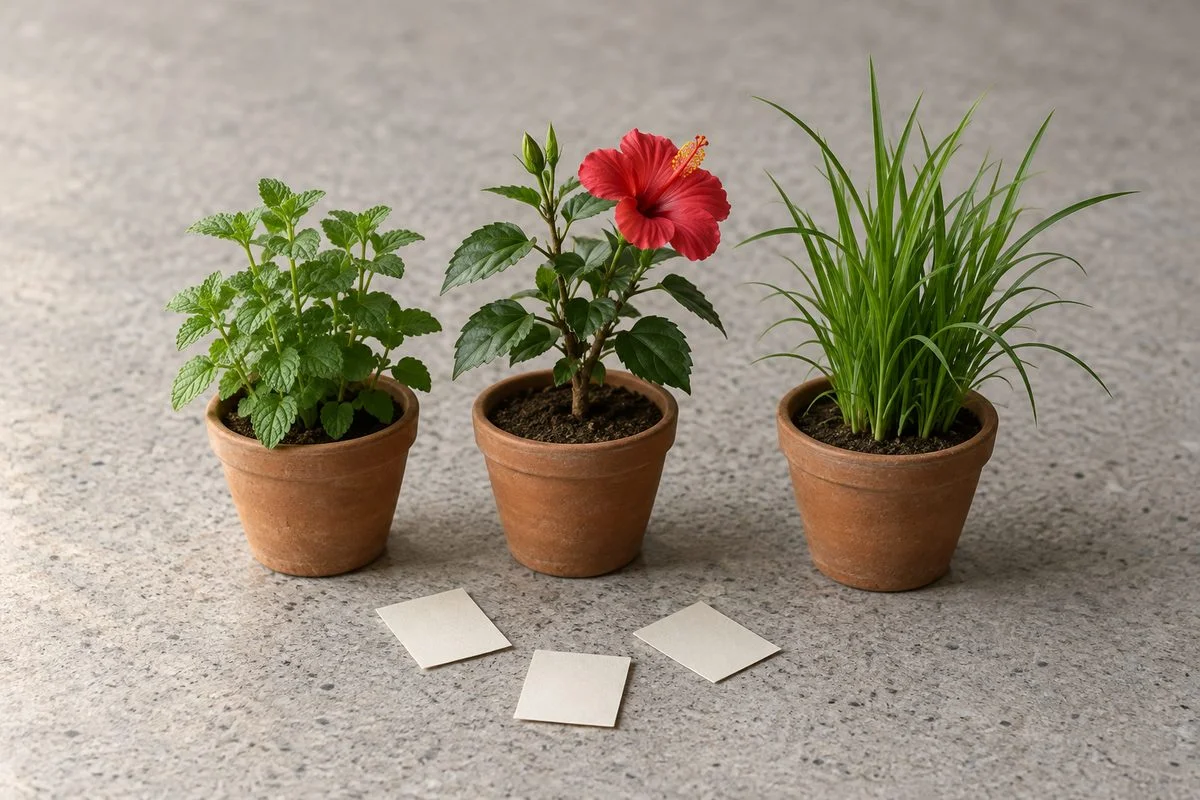
Plants with varied leaves and stems beside unsorted, face-down paper slips.

2. Grouping

Putting living things together using a shared feature.

Show
Write each plant’s name or description on its own paper slip. After predicting, sort by leaf shape, then by soft or woody stems.
Ask
Will changing the feature always leave our groups unchanged?
Say
Choose a feature and use it consistently. Another feature can give another valid grouping.
Used in
Grouping plants by shared features makes their similarities easier to compare.
If your child says…“There is only one correct grouping.”
Ask
Does each new group still share the feature we chose?
What’s true
Different features can produce different valid groups of the same living things.

Compare plants and animals

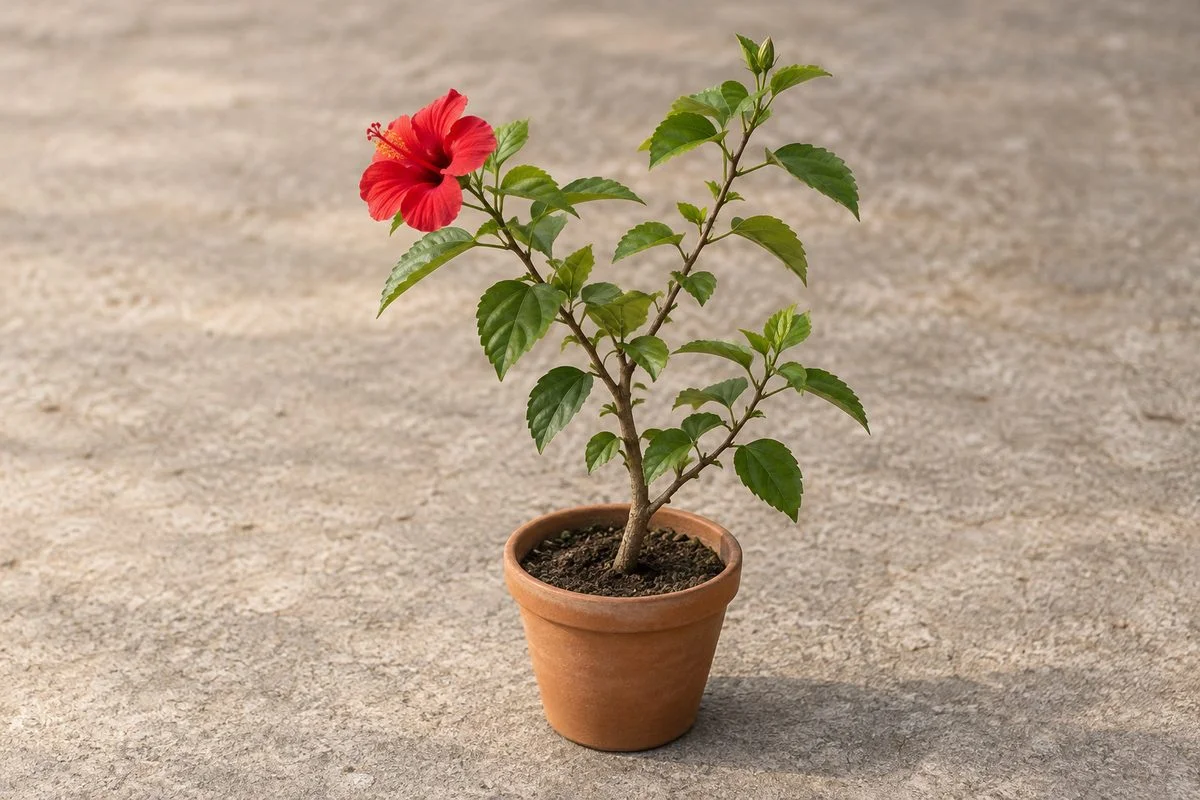
Short potted hibiscus with branches beginning near the soil.

3. Herbs, Shrubs, Trees, Climbers, and Creepers

Plant groups distinguished by stems, branching and how they grow.

Show
Find a short hibiscus. After predicting, inspect its stem and where its branches begin.
Ask
Do you expect this short plant to have a soft stem or a woody stem?
Say
This short hibiscus has woody stems and low branches, so it is a shrub.
Used in
Supports let weak-stemmed climbers grow upwards.
If your child says…“Every short plant is a herb.”
Ask
Does this short plant have a soft stem or a woody one?
What’s true
Short plants with woody stems and low branches can be shrubs.
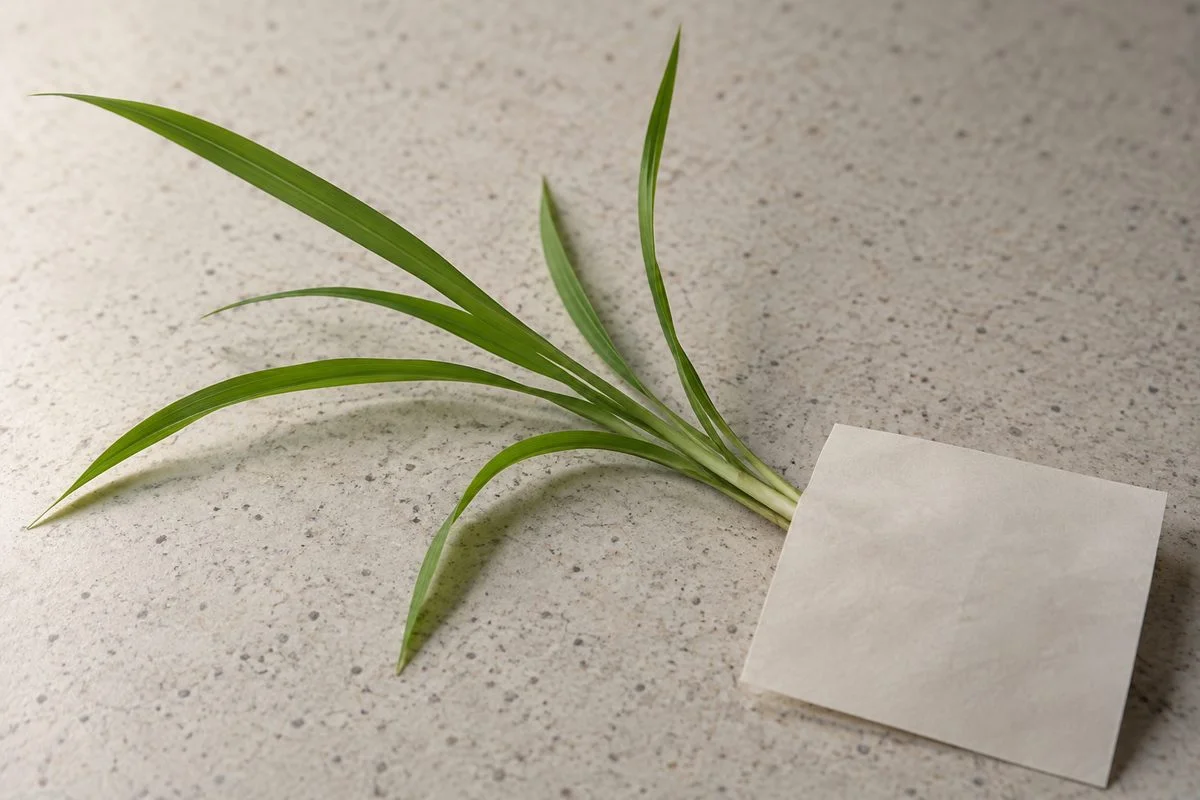
Grass plant with visible leaves and roots covered by plain paper.

4. Leaf Venation and Roots

Leaf vein patterns give clues about root arrangements.

Show
Use weeded grass with roots attached. Cover its roots with paper and look for parallel leaf veins. After predicting, uncover the roots and compare their arrangement with your prediction.
Ask
With parallel leaf veins, which root arrangement do you expect?
Say
Usually, parallel veins accompany fibrous roots.
Used in
Leaf patterns help predict root arrangements without pulling up plants.
If your child says…“Netlike veins mean lots of similar roots.”
Ask
Do this grass plant’s parallel veins accompany one main root or many similar roots?
What’s true
Taproots have a main root with branches, while fibrous roots have many similar thin roots.
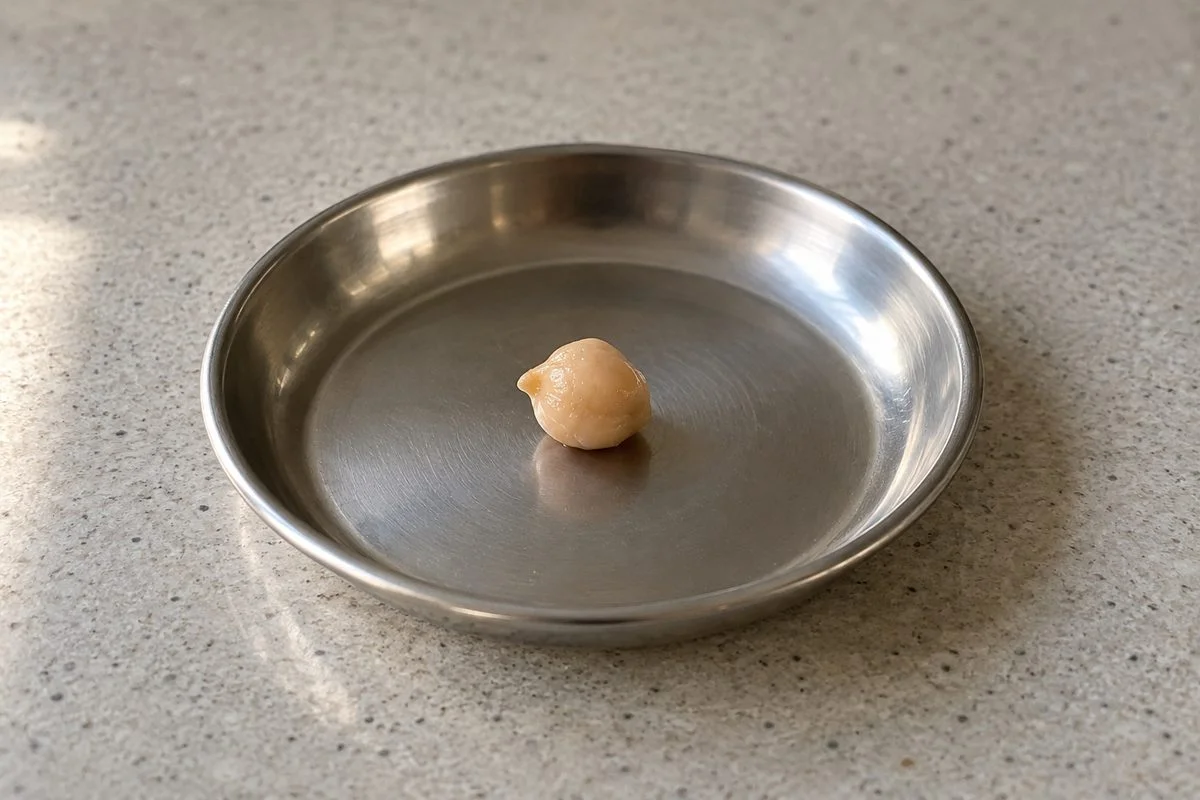
Whole soaked chickpea on a steel saucer before opening.

5. Monocots and Dicots

Monocots are plants with one seed leaf, and dicots have two.

Show
Set out the soaked seed. After predicting, peel off its skin and gently separate its halves with your fingers. Count its seed leaves.
Ask
How many seed leaves do you expect to find inside this seed?
Say
This seed has two seed leaves, or cotyledons.
Used in
Counting cotyledons identifies the seed group without relying on size.
If your child says…“Small seeds must be monocots.”
Ask
If a small seed has two cotyledons, which group fits that count?
What’s true
Cotyledon count determines these groups, regardless of seed size or shape.
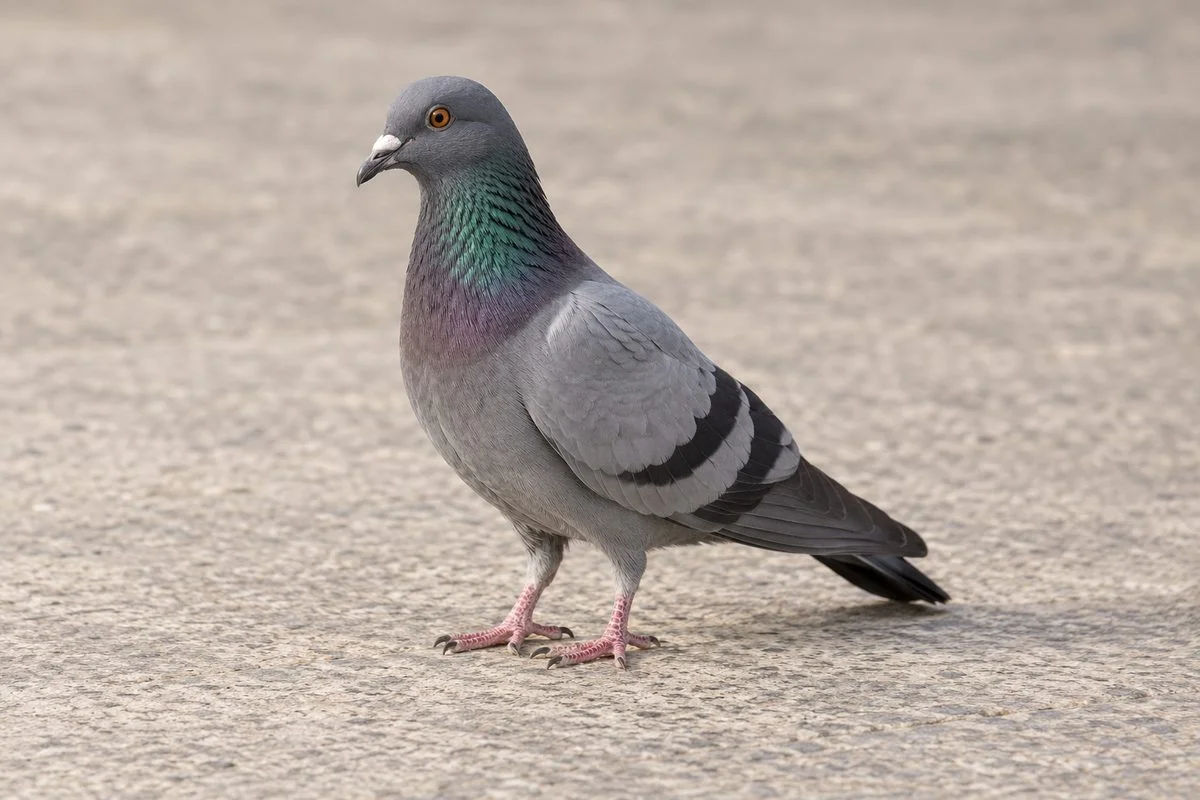
Pigeon standing on a courtyard surface with its wings folded.

6. Animal Movement and Body Parts

Different body parts allow different ways of moving.

Show
Watch a nearby pigeon from a distance. Wait quietly without making it move.
Ask
If it walks next, which body parts will it use?
Say
A pigeon walks with its legs.
Used in
A pigeon’s legs let it move along the ground.
If your child says…“Pigeons only move by flying.”
Ask
When its wings stay folded, what can carry it across the ground?
What’s true
One animal can use different body parts for different movements.

Living places and protection

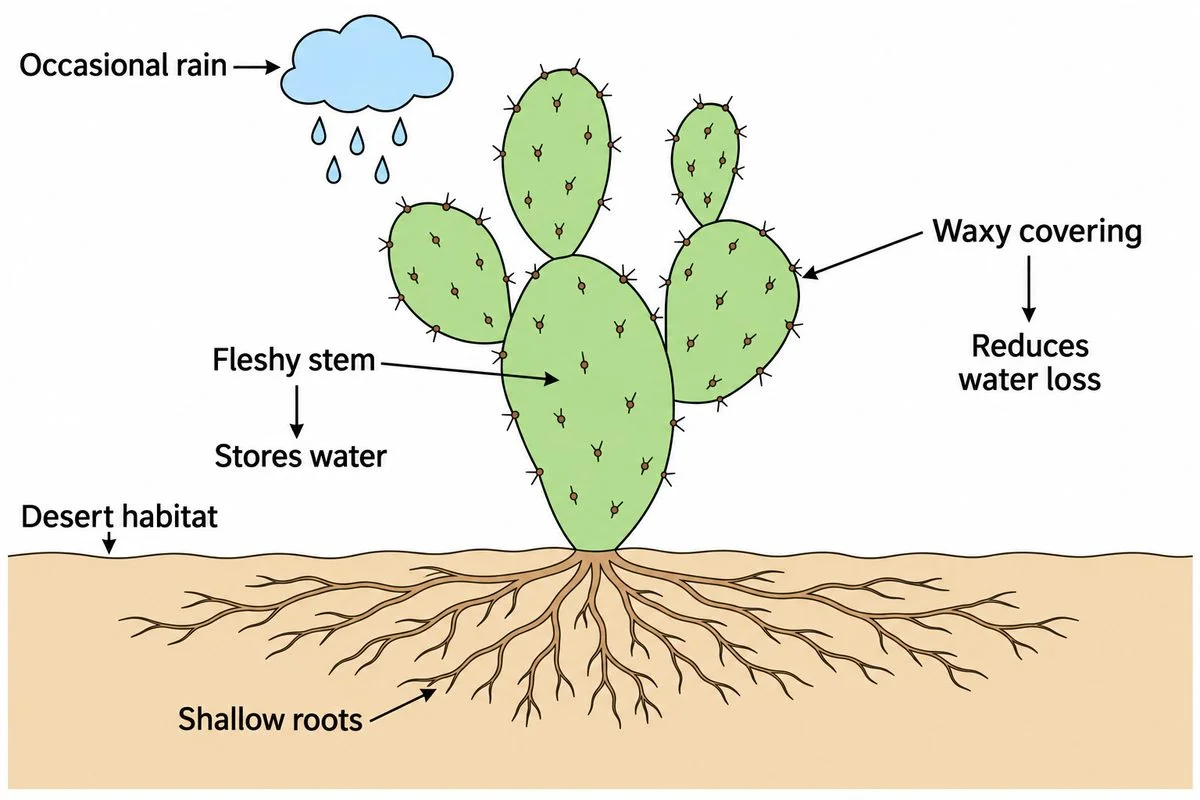
Desert cactus diagram showing shallow roots, water-storing stems and a waxy covering.

7. Habitats and Adaptations

Habitats provide food, water, air and shelter. Adaptations help living things survive.

Show
Find the cactus and rain in the diagram. Trace the shallow roots below the soil. Follow the arrows showing what the stem and waxy covering do.
Ask
How might this cactus’s fleshy stem help it survive until the next rain?
Say
Its shallow roots collect rainwater, and its fleshy stem stores it. Its waxy covering reduces water loss. These adaptations help it survive when its desert habitat has little water.
Used in
A habitat supplies resources that keep its living things alive.
If your child says…“Every difference I see is an adaptation.”
Ask
How does the waxy covering help this cactus survive?
What’s true
Looking different alone does not make a feature an adaptation.
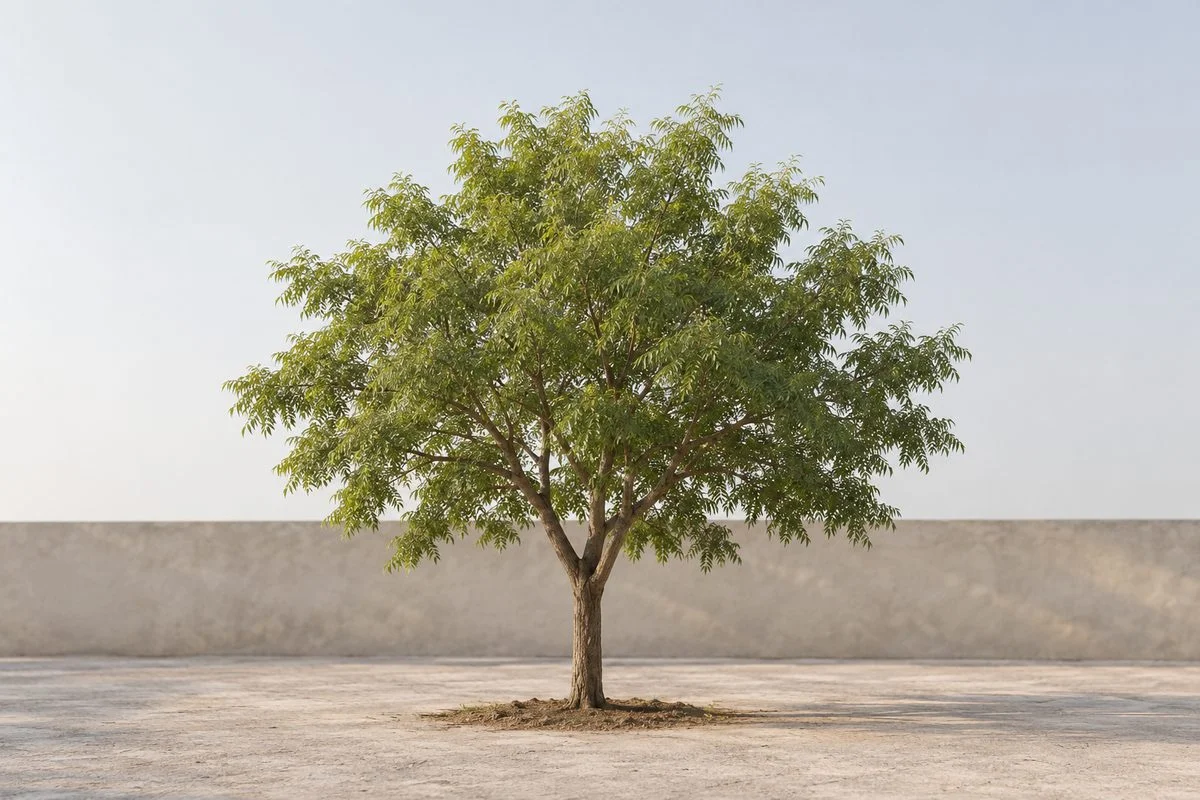
Whole tree growing beside a courtyard.

8. Biodiversity Loss and Conservation

Protecting habitats helps protect the living things that depend on them.

Show
Point to a nearby tree from home. Leave its branches and any animals undisturbed.
Ask
If this tree disappeared, would only the tree be affected?
Say
Removing trees can also remove animals’ food and shelter.
Used in
Local people limit tree cutting to protect forest homes for plants and animals.
If your child says…“Cutting forests affects only trees.”
Ask
What happens to animals that depended on those trees for food or shelter?
What’s true
Forest loss also harms other living things that depend on its resources.

A real problem

Project Tiger helped India's tigers recover

India began Project Tiger in 1973 to protect tigers.

The project created reserves where rangers patrolled to protect tigers.

India's tiger population recovered, though threats remain.

WWFTIME

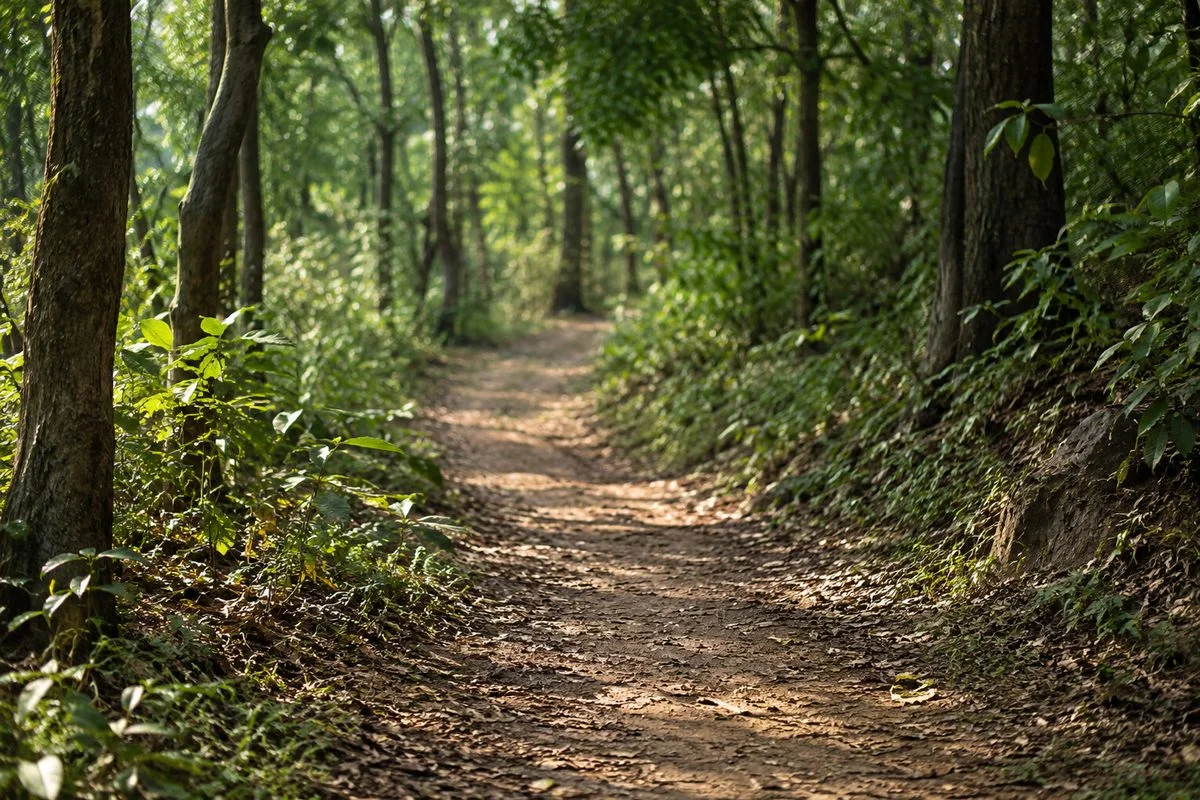
A forest path bordered by trees and dense undergrowth.

Concept Lab · Common misconception

The tempting mistake in Diversity in the Living World

Open standalone misconception page →

Does a whale count as a fish?

Wrong

A whale is a fish because it lives in water.

Why it feels right. The habitat seems like the easiest feature to use.

Right

Classify using traits such as breathing and feeding young.

Worked example

At the surface
Whale takes in air→Lungs
With its calf
Whale produces milk→Calf feeds
The whale's breathing and feeding traits identify it as a mammal.
  1. A whale surfaces to breathe air with lungs and feeds milk to its young.
  2. These are mammal traits, even in water.

Ask your child eight quick questions.

One per step. The answer and the reason are given.

  1. A garden contains birds and plants. Which belong in its biodiversity record?

    Both birds and plants. Biodiversity includes plant variety as well as animal variety.

  2. One grouping consistently follows leaf shape; another follows stem type. Which can be valid?

    Both. Each grouping consistently uses a shared feature.

  3. A short plant has woody stems branching near the ground. Which group fits it?

    Shrubs. Its woody stems and low branching matter more than height alone.

  4. Which roots usually go with netlike veins, and which go with parallel veins?

    Taproots, then fibrous roots. Netlike veins usually accompany taproots, while parallel veins accompany fibrous roots.

  5. A tiny seed has two seed leaves. Which seed group does it belong to?

    Dicots. Two cotyledons identify a dicot, whatever its size.

  6. Does a pigeon move only by flying?

    No. It walks with its legs and flies with its wings.

  7. A cactus has an unusual feature. What must you know before calling it an adaptation?

    Survival benefit in its habitat. Appearance alone does not show how a feature helps the cactus survive.

  8. When forest trees disappear, can animals that depend on them also be harmed?

    Yes. They can lose food and shelter along with the trees.

15 more questions with answers, 13 with pictures