Skip to content

Teach The Wonderful World of Science in five steps.

For each idea: show it, ask before you tell, then say one line.

Gather a spoon, coin, paper and a non-writing pen that unscrews, with ink inside its clear refill.

Common misconceptions & worked visual for this chapter · 15 practice questions with answers

Why it matters

  • A growing plant connects questions about water, sunlight and living things.
  • A pen that stops writing gives us a problem to investigate.
  • Kitchen problems can be investigated through questions and tests.

What to teach

How to teach it

Questions about the world

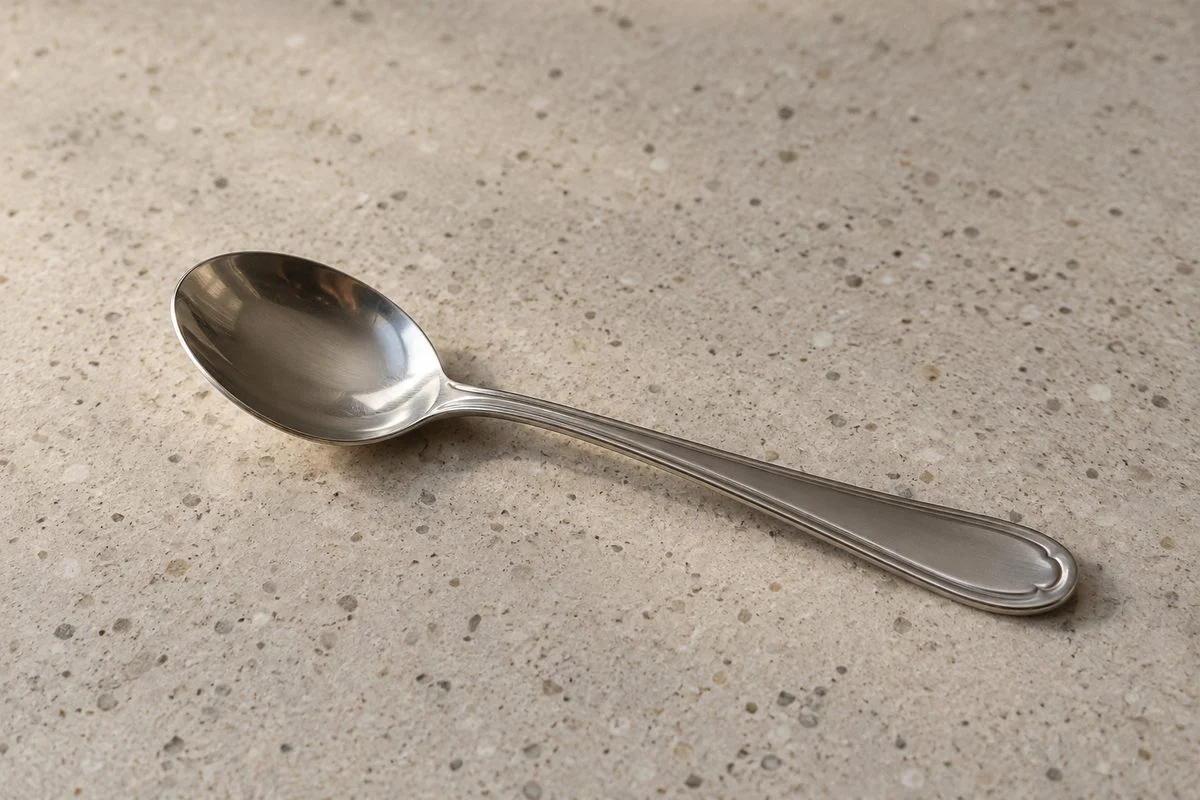
Steel spoon resting bowl upwards on a pale tabletop.

1. Science

Understanding the world through questions, observations and checks.

Show
Lay a spoon bowl upwards. After the prediction, turn it over and compare.
Ask
Will the other side of the spoon's bowl also dip inward?
Say
Science involves looking closely and checking what we think.
Used in
Kitchen investigations help cooks understand why dal spills.
If your child says…“Science is just remembering facts.”
Ask
Would remembering facts alone have checked our prediction about the spoon's hidden side?
What’s true
Learning facts matters, but investigating also needs questions and checks.
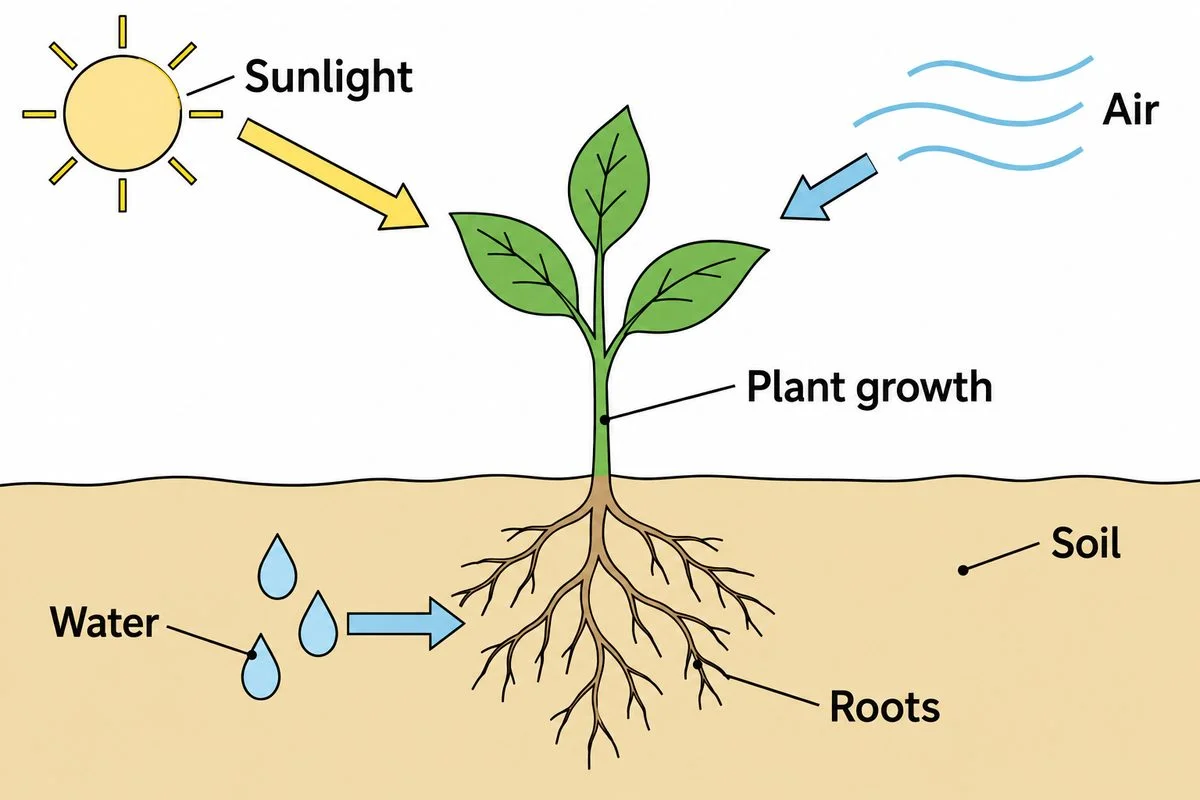
Diagram connecting a plant’s leaves and roots with sunlight, air and soil water.

2. Connected questions

One question can involve several science topics.

Show
Look at the diagram. Find the plant and its roots in soil. Follow the arrows from sunlight, air and water.
Ask
Will watering alone give this plant everything it needs to grow?
Say
Water alone will not meet this plant’s needs. It also needs sunlight and air.
Used in
Considering water and sunlight helps people investigate poor plant growth.
If your child says…“Plants, water and the Sun are separate topics.”
Ask
Which of these topics could we leave out when considering this plant's needs?
What’s true
The same plant connects living things, water, sunlight and air.

Finding and checking answers

An assembled pen resting on blank paper.

3. Scientific method

Observe, question, suggest an answer, test it and examine the results.

Show
Try a non-writing pen with a clear refill on paper. Suggest its ink has run out. After the prediction, unscrew the pen and look for ink.
Ask
Will we find any ink inside?
Say
Finding ink rules out an empty refill.
Used in
Bicycle repairs involve checking possible causes to find a fault.
If your child says…“My first guess failed, so I should stop.”
Ask
Does finding ink explain why the pen will not write?
What’s true
Finding that one guess is wrong does not tell us why the pen stopped writing.
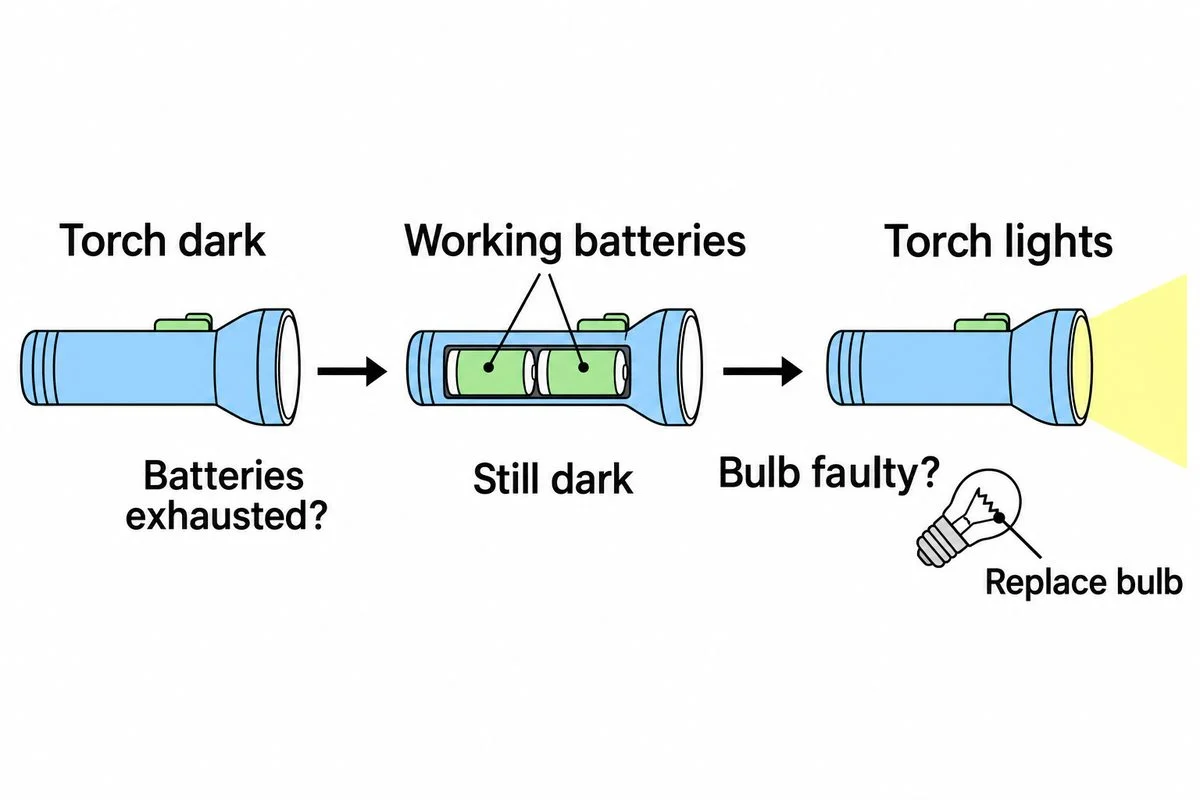
Diagram of a dark torch tested with working batteries, then a replacement bulb.

4. Science in daily life

Everyday problems become investigations when we question and test possible causes.

Show
Cover the diagram’s middle and right panels with paper. Point to the dark torch on the left. After the prediction, uncover the panels in order.
Ask
Will replacing this torch’s batteries make it light?
Say
Here, working batteries leave the torch dark, but replacing its bulb makes it light. These checks point to the bulb as the fault.
Used in
Checking why food burns helps cooks adjust their cooking.
If your child says…“Every chore is a science investigation.”
Ask
What possible cause did replacing the batteries test?
What’s true
Simply completing a task does not establish why something happened.
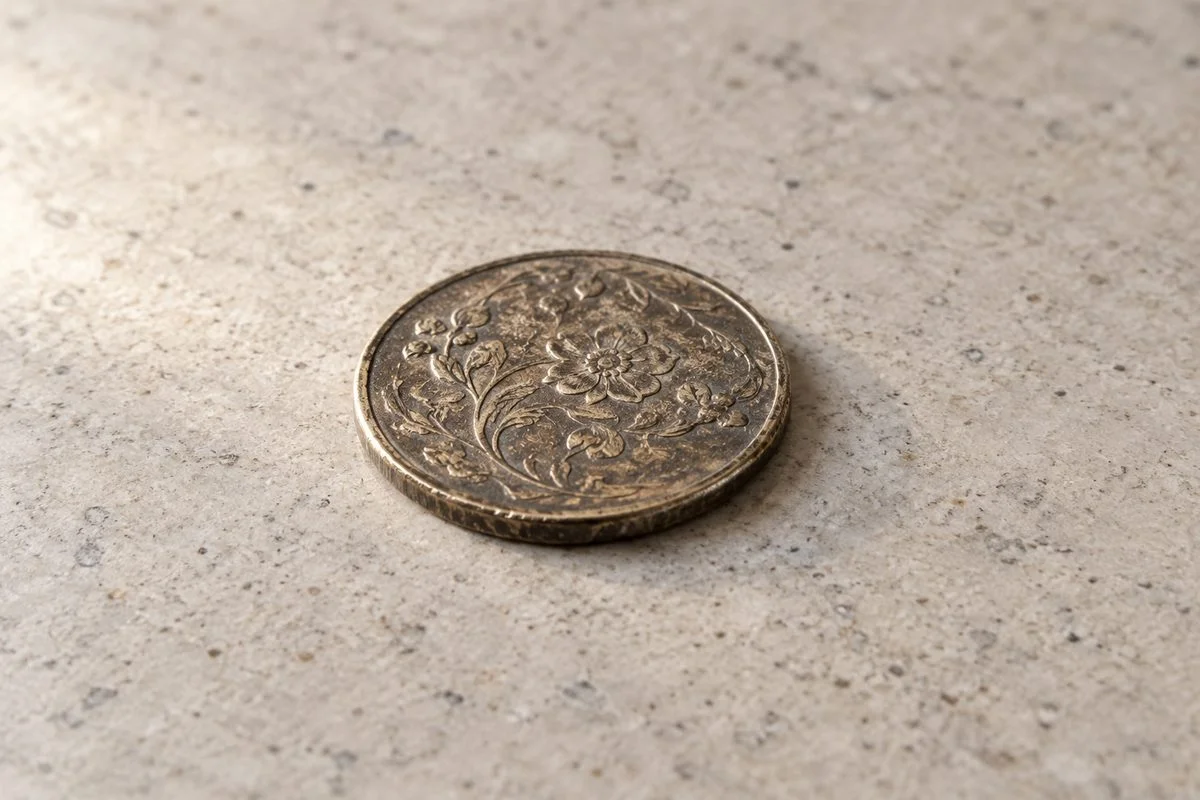
A single coin lying flat on a pale tabletop.

5. Curiosity and collaboration

Careful observation and shared questions help us investigate together.

Show
Place a coin on the table. After the prediction, look closely separately. Share what you noticed, then look again together to check.
Ask
Might we notice different details on the same coin?
Say
Compare what you notice and ask questions together. Shared ideas still need checking.
Used in
Classmates share observations and checks to help each other find answers.
If your child says…“Discussing my investigation is copying.”
Ask
Could someone else's observation give us something useful to check?
What’s true
People can investigate together by sharing observations, ideas and checks.

A real problem

Chandrayaan-3: testing for a safe Moon landing

The mission aimed to land safely and gently on the Moon.

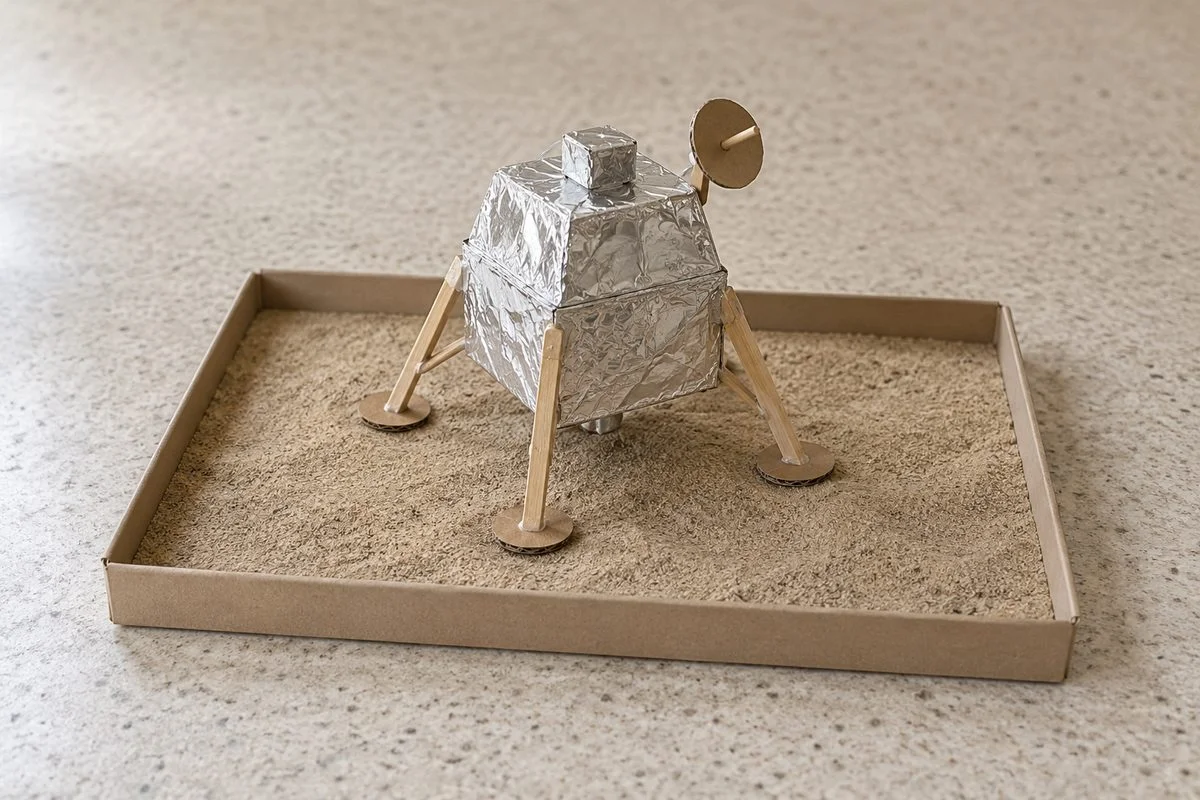
Engineers tested its landing legs on simulated lunar ground under different touchdown conditions.

The spacecraft landed near the Moon’s south pole on 23 August 2023.

ISRONASA

Classroom model lunar lander resting in a tray of sand.

Concept Lab · Common misconception

The tempting mistake in The Wonderful World of Science

Open standalone misconception page →

What turns a guess into a conclusion?

Wrong

A sensible guess is enough to settle the question.

Why it feels right. My explanation fits what I see once.

Right

Test a guess against a comparison you can observe.

Worked example

Cloth A
Same starting wetness→Still air→Time to dry
Cloth B
Same starting wetness→Moving air→Time to dry
The two trials start alike. The comparison changes airflow and measures drying time.
  1. Place equal wet cloths in still air and moving air under otherwise similar conditions.
  2. Compare their drying times before deciding what airflow changes.

Ask your child five quick questions.

One per step. The answer and the reason are given.

  1. Is memorising spoon facts enough to investigate how it works?

    No. Investigating also needs questions, observations and checks.

  2. Which needs, besides water, do the diagram’s arrows show reaching the leaves?

    It needs sunlight and air. Plant growth connects questions about living things, water, sunlight and air.

  3. You guessed the refill was empty, but found ink. What should you test next?

    Another possible cause. Finding ink rules out an empty refill, not every possible cause.

  4. Someone puts a dark torch away. What must they do to investigate its fault?

    Test a possible cause. Putting the torch away checks no explanation for why it stays dark.

  5. Classmates compare coin observations and look again together. What are they doing?

    Investigating together. They check shared observations against the coin instead of simply repeating them.

15 more questions with answers, 5 with pictures