Skip to content

Teach Heat Transfer in Nature in six steps.

For each idea: show it, ask before you tell, then say one line.

Gather a spoon, chai, pot, tea leaves, glass lid, glass, sand, pebbles and water.

An adult handles the flame, hot water and lid.

Common misconceptions & worked visual for this chapter · 15 practice questions with answers

Why it matters

  • Cooker handles stay cooler because plastic slows heat transfer.
  • Afternoon sea breezes bring cooler air inland.
  • Rain adds to groundwater that wells draw from.

What to teach

How to teach it

How heat moves

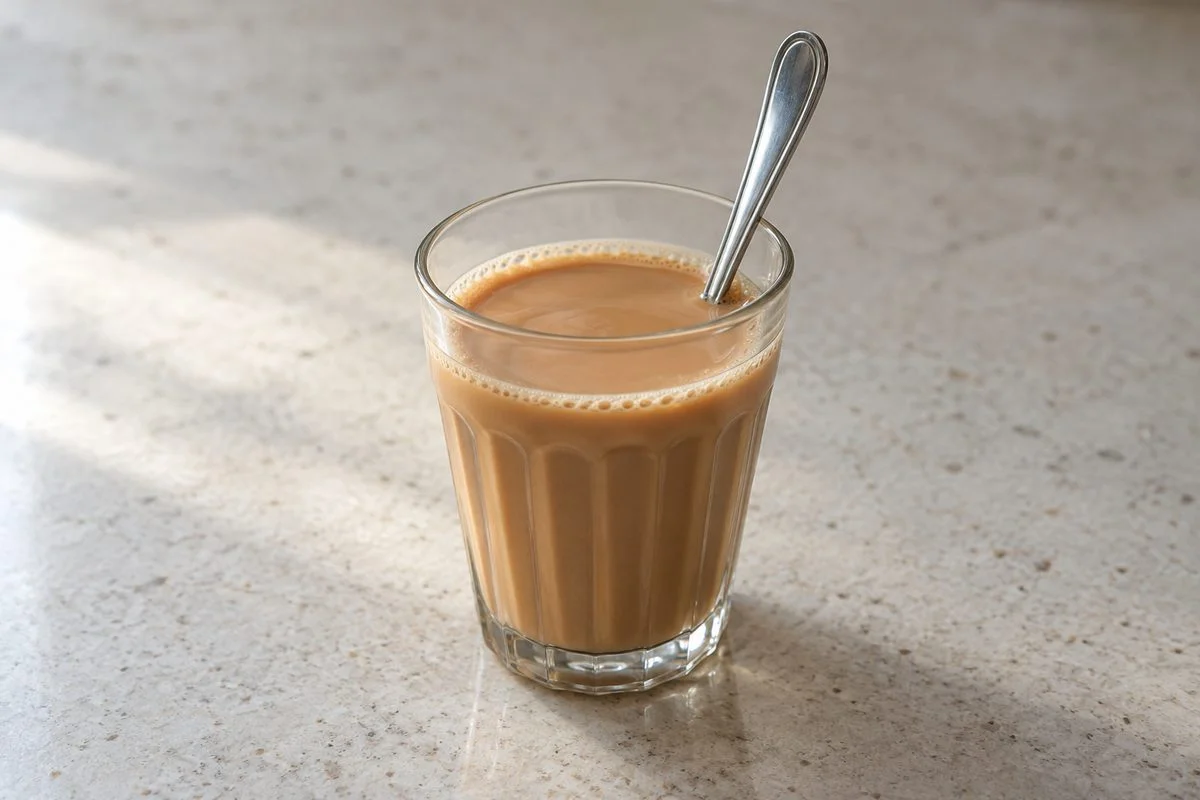
Steel spoon standing in a glass of chai.

1. Conduction

Heat passes along a solid.

Show
Stand a steel spoon in hot chai. After a minute, an adult touches the top of the handle.
Ask
Will the handle warm too?
Say
Heat spreads; the metal itself does not move along the spoon.
Used in
A cooker’s plastic handle stays cool enough to hold because plastic slows heat transfer.
If your child says…“Hot metal travels up the spoon.”
Ask
Has the metal moved along the spoon, or has the handle warmed?
What’s true
Particles jiggle in place and pass energy to their neighbours.
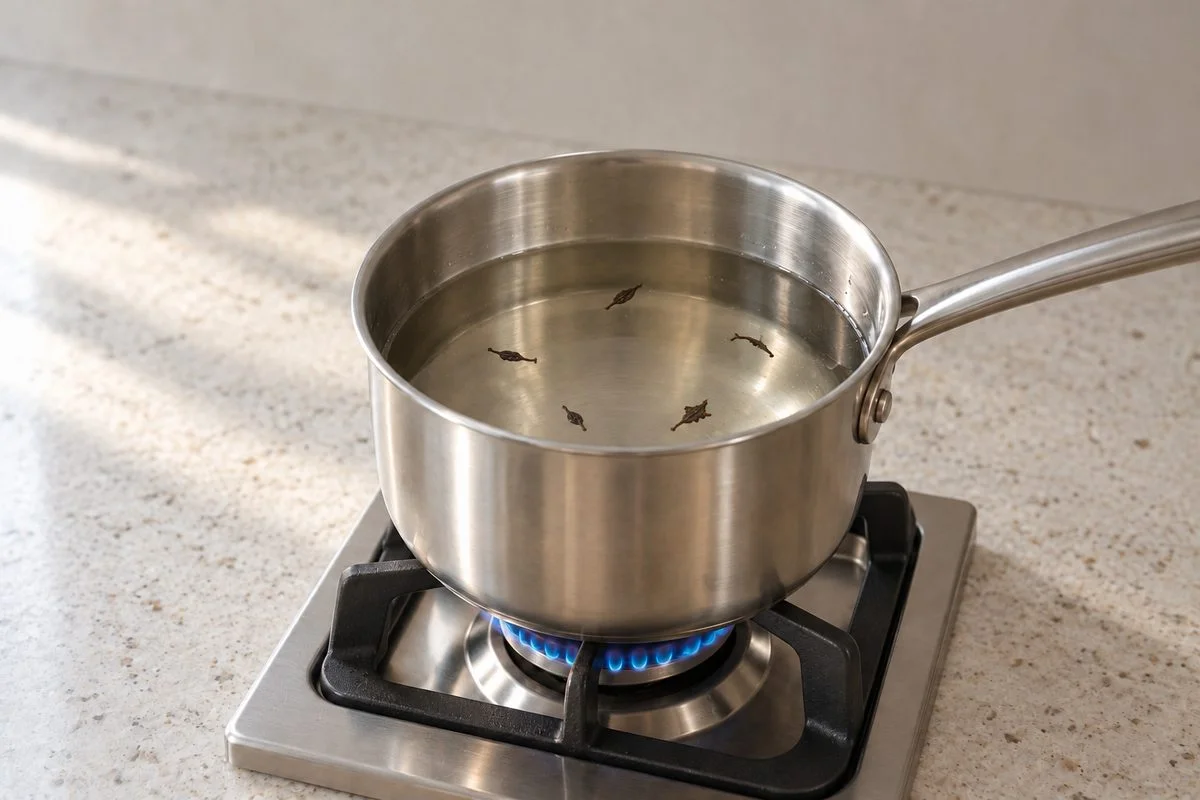
Steel pot of water and tea leaves on a gas flame.

2. Convection

Moving water or air carries heat.

Show
An adult heats a pot of water with a few tea leaves. Watch the leaves.
Ask
Will the leaves stay still?
Say
Warmer water rises; cooler water sinks.
Used in
A geyser heats water at one spot, and the moving water warms the whole tank.
If your child says…“The water stays still.”
Ask
What carries the leaves around?
What’s true
In this pot, heated from below, moving water carries heat.
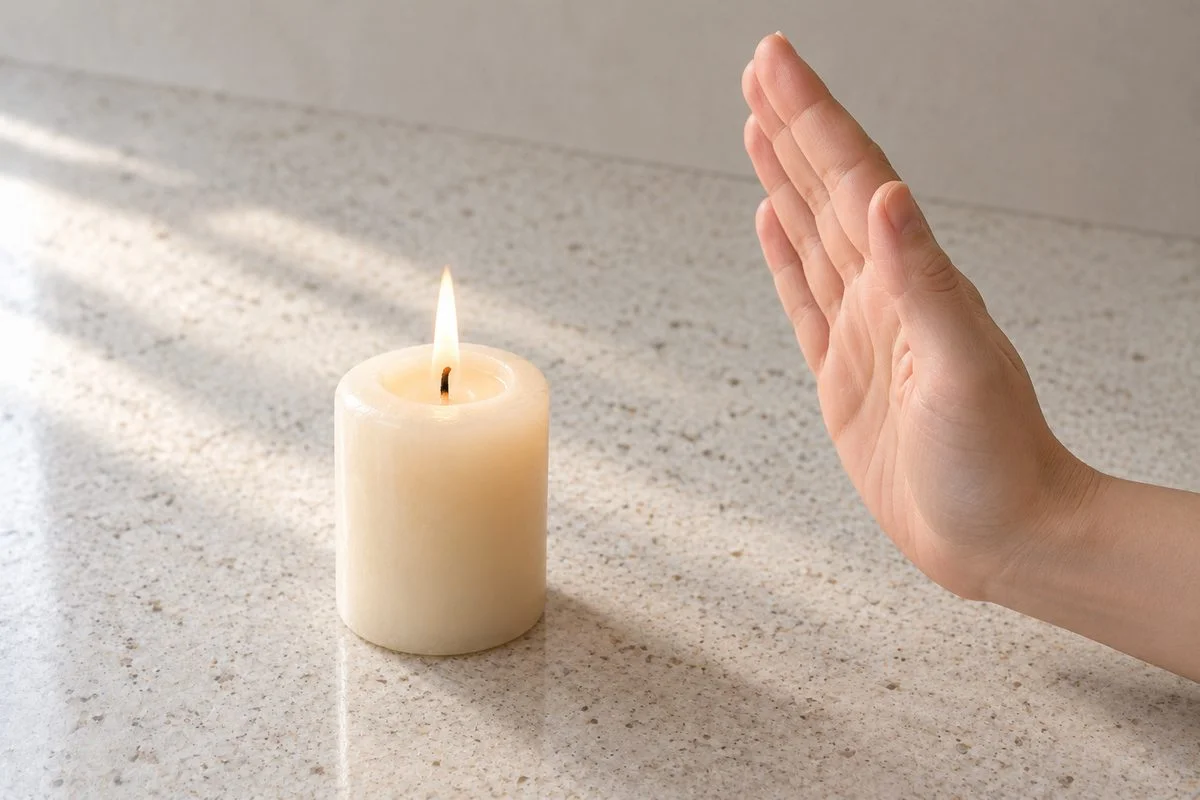
Open hand beside a candle flame.

3. Radiation

Heat crosses empty space.

Show
Stand in sunlight together, then step into the shade.
Ask
Will you feel less warmth in shade?
Say
Radiation brings the Sun’s heat across empty space.
Used in
A rooftop solar heater warms water using sunlight alone.
If your child says…“Heat needs air.”
Ask
How does sunlight reach us across empty space?
What’s true
Radiation needs no air.

Heat and water in nature

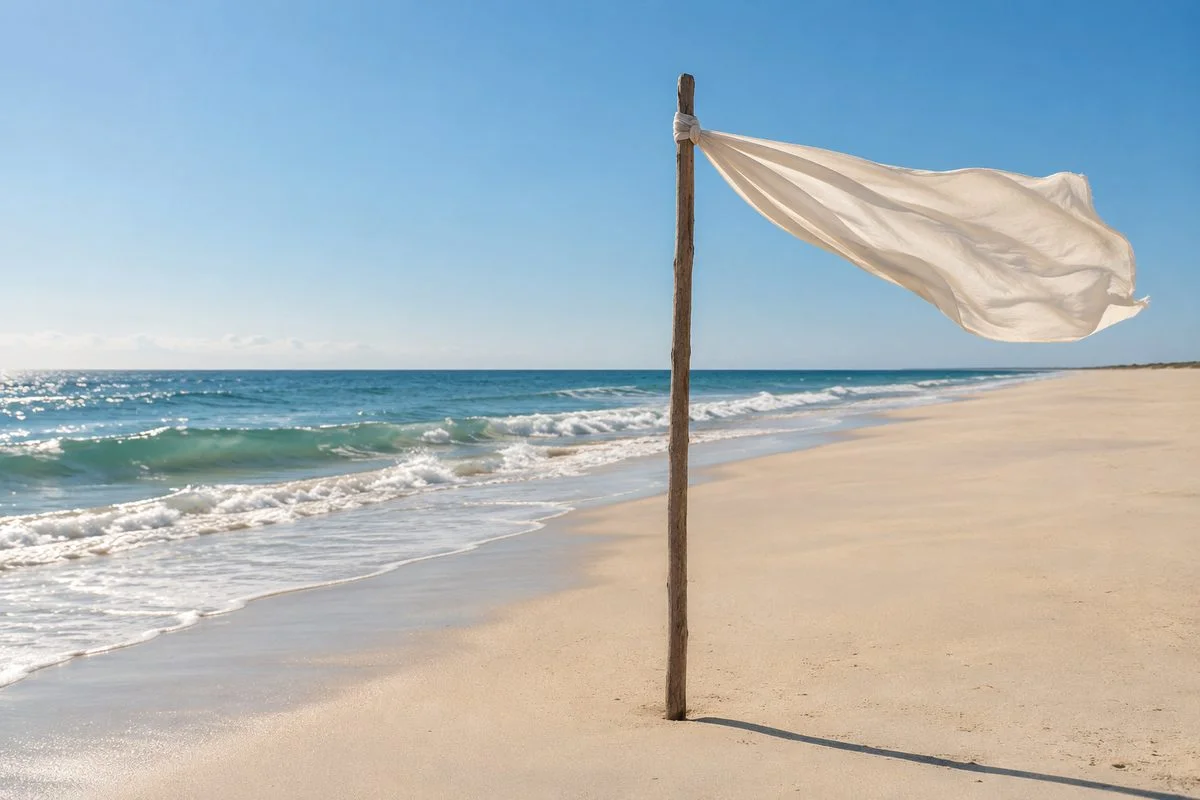
Sea on the left; a cloth streams right, towards land.

4. Sea and land breezes

Land and sea heat unevenly, so the breeze changes direction.

Show
Point to the sea on the left and the cloth blowing inland.
Ask
Which way might the breeze blow at night?
Say
Land warms and cools faster than water. Usually, breezes blow inland by day, seawards at night.
Used in
A sea breeze cools coastal towns on hot afternoons.
If your child says…“Breezes always blow inland.”
Ask
Which stays warmer at night: land or sea?
What’s true
Air rises over the warmer surface: usually land by day, sea at night.
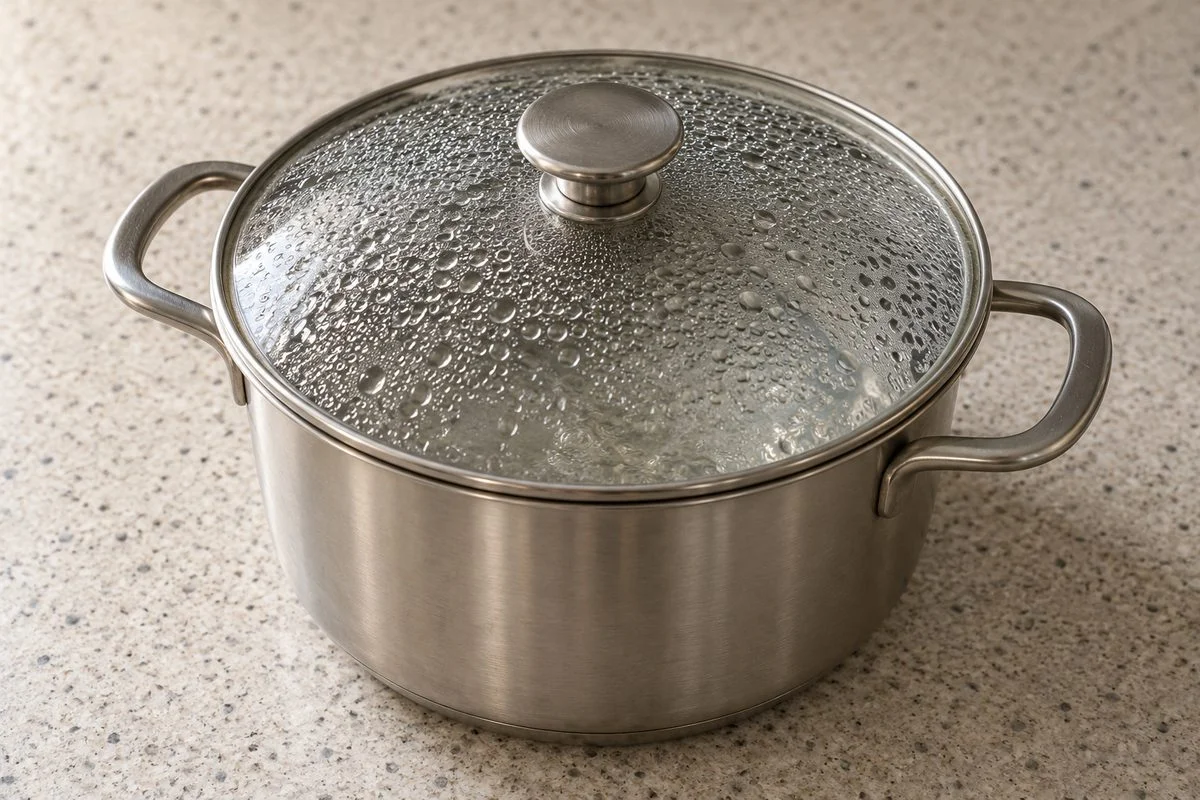
Steel pot of hot water with droplets under its glass lid.

5. The water cycle

Evaporated water forms clouds and returns as rain.

Show
An adult covers a pot of hot water with a glass lid. Point at the droplets; never lift the lid.
Ask
What will happen when vapour reaches the cooler lid?
Say
Water evaporates. When vapour cools enough, cloud droplets form; rain returns water.
Used in
Clothes dry through evaporation, the same step that starts rain.
If your child says…“Heating makes cloud droplets.”
Ask
Is the lid cooler than the water?
What’s true
Vapour turns into droplets when it cools enough; this is condensation.
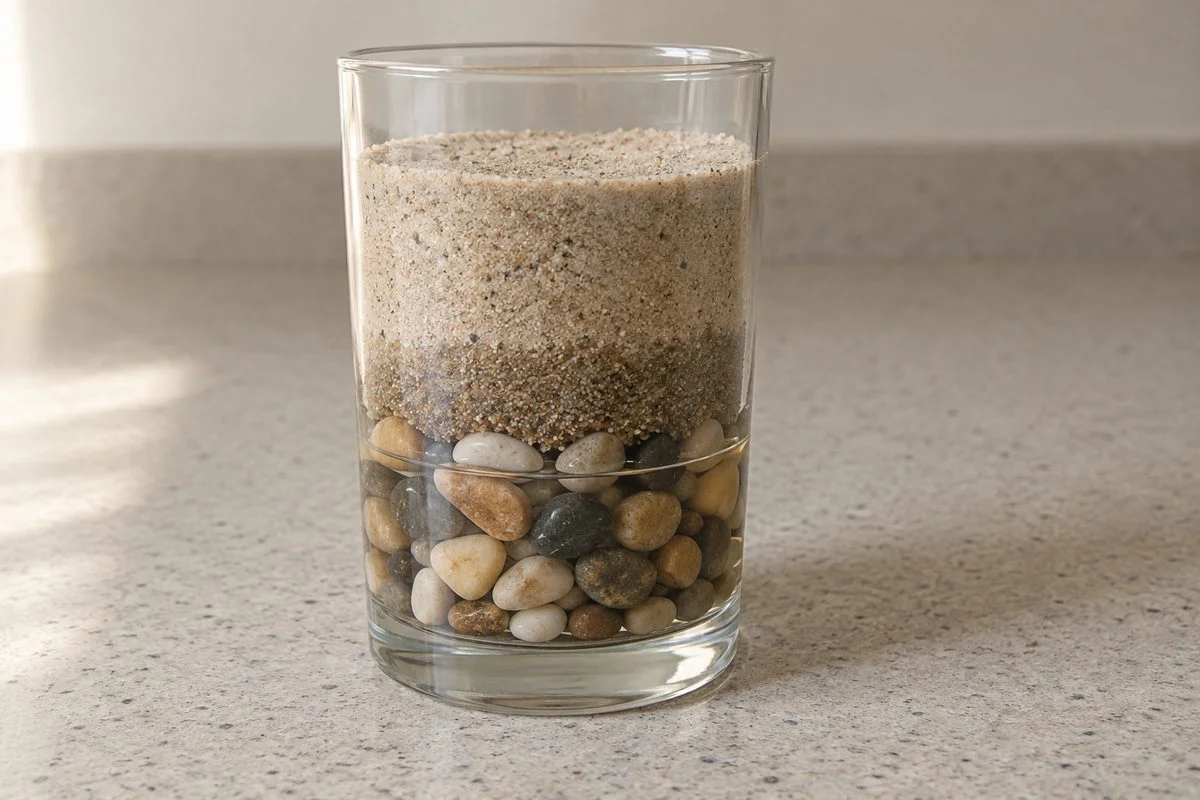
Glass tumbler with sand above pebbles and water among the pebbles.

6. Groundwater

Water fills underground gaps.

Show
Layer sand over pebbles in a glass. Pour water in slowly and stop before it pools on top.
Ask
Where will the water collect?
Say
Water soaks downward through gaps.
Used in
Rain seeping down adds to groundwater that wells draw from.
If your child says…“Groundwater fills underground lakes.”
Ask
Does the water between these pebbles need a cave?
What’s true
Groundwater usually fills gaps between grains and cracks in rocks.

A real problem

The vacuum flask was invented for a laboratory.

James Dewar first showed it in 1892.

Liquefied gases boiled away too quickly to study for long.

A vacuum between two walls cuts conduction and convection; silvered walls reflect radiation.

With it he liquefied hydrogen at 20 K, about −253 °C, in 1898.

Royal InstitutionJames Dewar

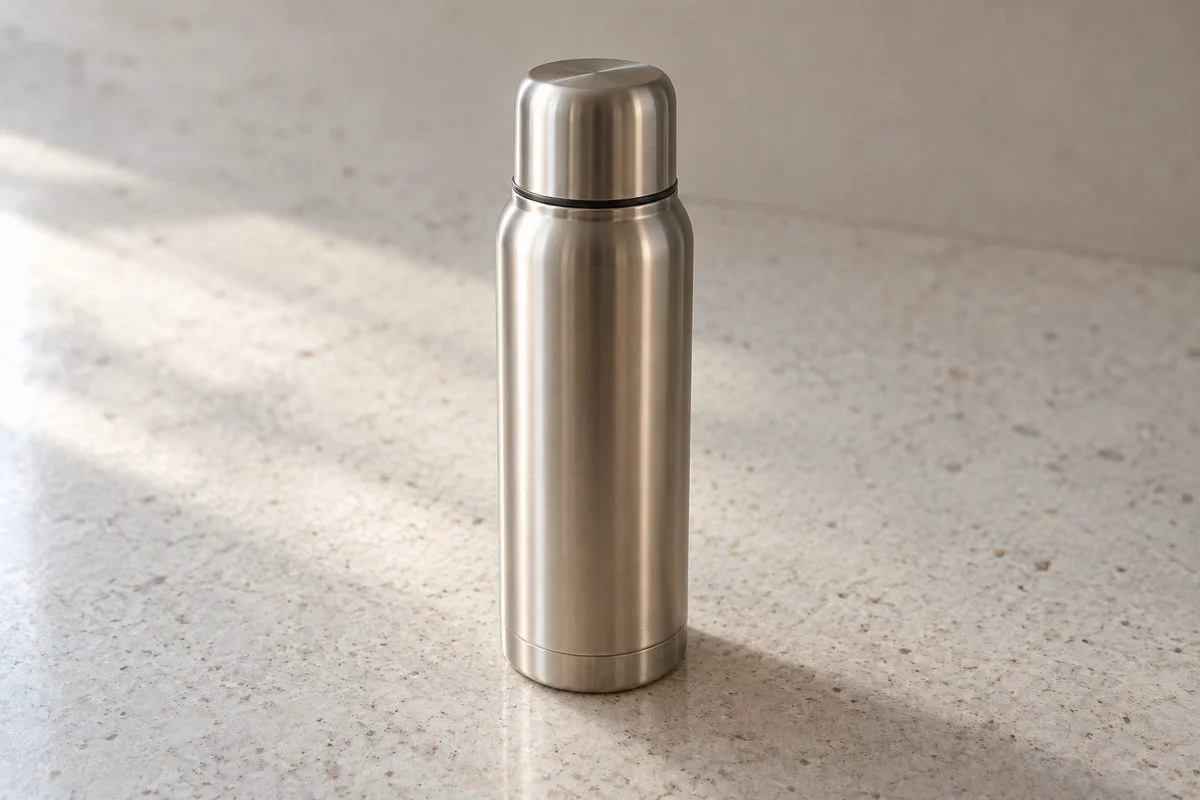
A single steel vacuum flask standing on a pale stone counter.

Concept Lab · Common misconception

The tempting mistake in Heat Transfer in Nature

Open standalone misconception page →

Does heat only travel upward?

Wrong

Heat from a heater reaches only places above it.

Why it feels right. Warm air rises, so I expect all heat transfer to rise.

Right

Warm air can rise by convection. Thermal radiation can travel sideways or downward as well.

Worked example

Warm air rises above the heater. Radiation can reach a person at its side.
  1. Warm air above a radiant heater rises.
  2. From a safe position beside it, you can also feel energy arriving directly as radiation.

Ask your child six quick questions.

One per step. The answer and the reason are given.

  1. What reaches the handle as a steel spoon warms?

    Energy, not metal. The metal’s particles jiggle in place and pass energy to their neighbours.
  2. When a pot is heated from below, what do the tea leaves show?

    The water itself moves. Warmer water rises and cooler water sinks, carrying heat round the pot.

  3. Can the Sun’s heat reach us through empty space?

    Yes. Radiation needs no air or other material to travel.

  4. By day the breeze blows from sea to land. What usually happens at night?

    It reverses. Land cools faster than the sea, so the breeze usually blows from land to sea.

  5. What makes cloud droplets form from water vapour?

    Cooling. When vapour cools enough, it condenses into tiny droplets.

  6. Where would you usually find groundwater?

    In gaps and cracks underground. It fills spaces between grains and in rock, not underground lakes.

15 more questions with answers, 9 with pictures