Skip to content

Teach Adolescence: A Stage of Growth and Change in eight steps.

For each idea: show it, ask before you tell, then say one line.

Gather two shirts, a pencil, a meal, an unused pad, newspaper, a dustbin, a ball and chairs.

Common misconceptions & worked visual for this chapter · 15 practice questions with answers

How to teach it

Understanding the changes

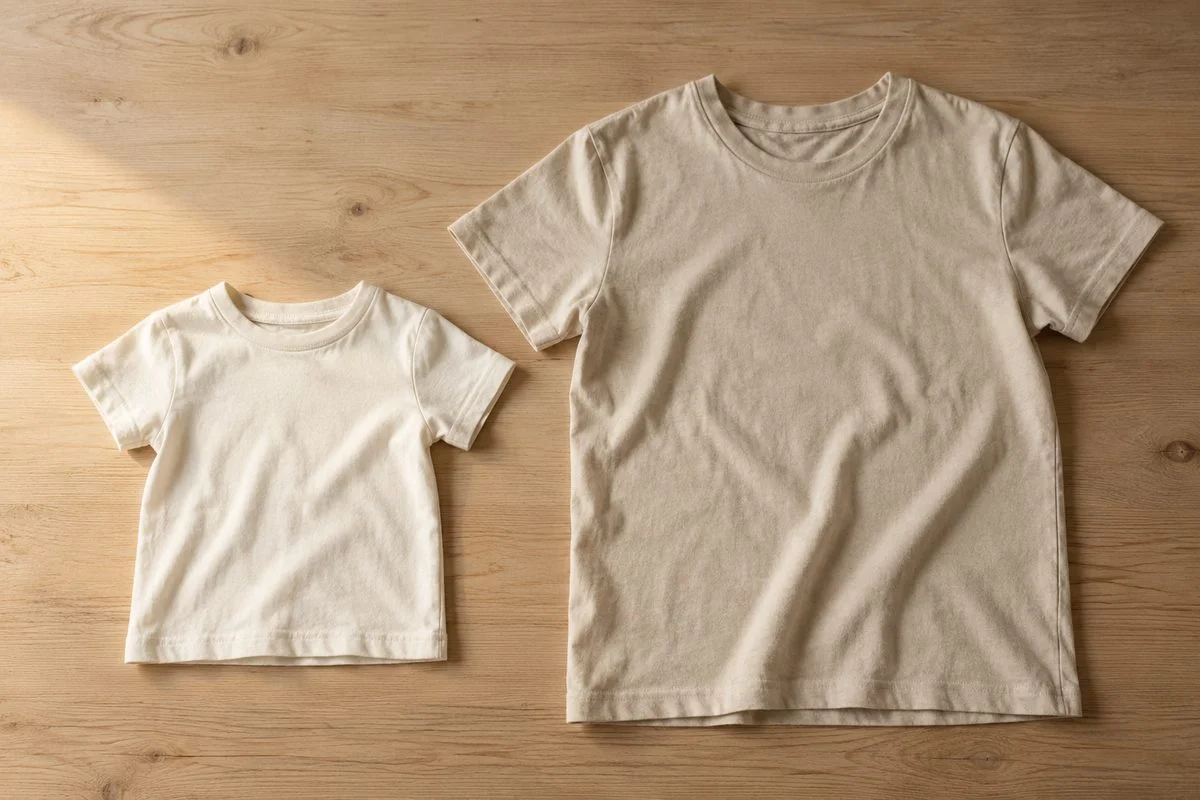
A small shirt beside a larger shirt on a wooden surface.

1. Adolescence

The stage between childhood and adulthood, with changes beyond appearance.

Show
Lay a childhood shirt beside one that fits now.
Ask
Will classmates outgrow their shirts at the same time?
Say
These shirts show that you have grown. Classmates may outgrow their clothes at different times.
Used in
Recognising different rates of development prevents unfair comparisons between classmates.
If your child says…“My friends changed first, so I'm behind.”
Ask
Does changing earlier tell us everything about growing up?
What’s true
Earlier visible changes do not mean someone is more grown up overall.
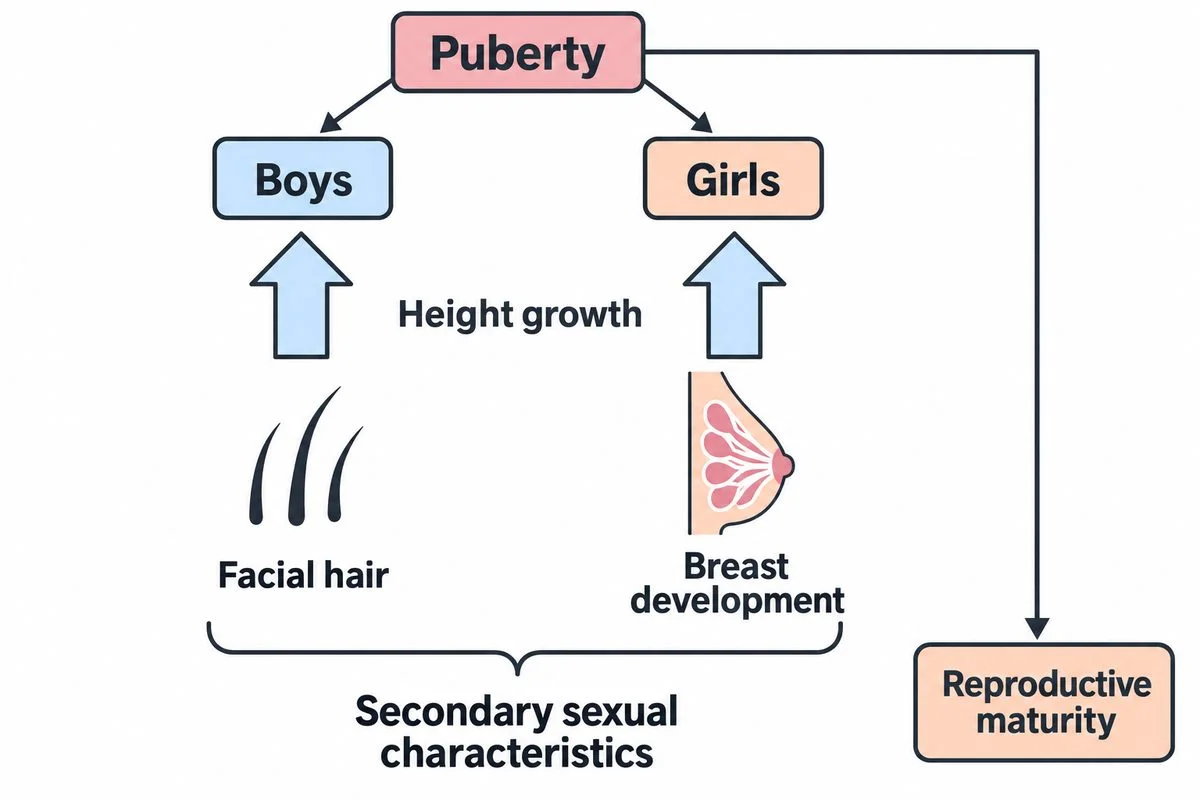
Diagram compares shared height growth, secondary sexual characteristics and reproductive maturity during puberty.

2. Puberty and secondary sexual characteristics

Puberty prepares for reproduction; secondary sexual characteristics help distinguish sexes.

Show
Compare height growth in the diagram. Find facial hair, breast development, then reproductive maturity.
Ask
Will growing taller distinguish boys from girls?
Say
Both grow taller. Facial hair and breast development are secondary sexual characteristics. Puberty also brings reproductive maturity.
Used in
Recognising puberty changes helps families discuss development without judging appearance.
If your child says…“Every change during adolescence is a secondary sexual characteristic.”
Ask
Do both boys and girls grow taller?
What’s true
Height increases in both sexes.
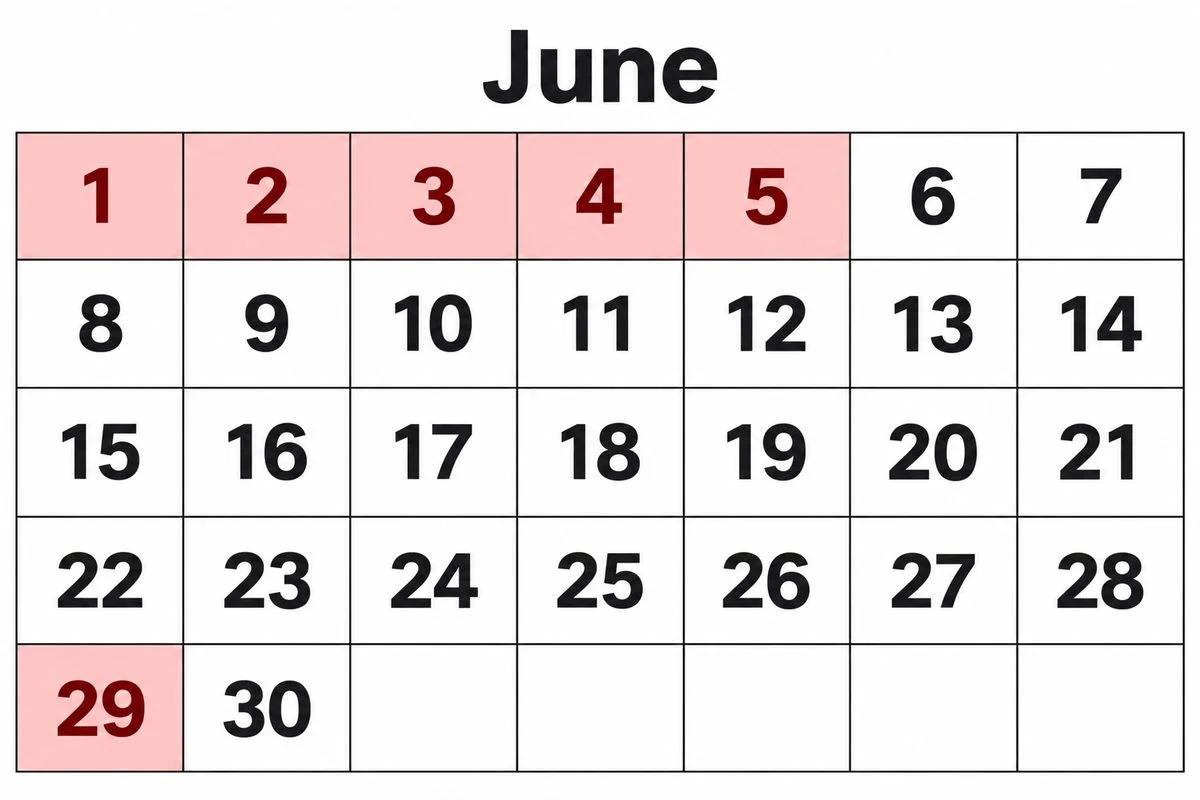
June calendar diagram with dates 1–5 and 29 marked red.

3. The menstrual cycle

A repeating cycle that includes the days of menstrual bleeding.

Show
Look at the calendar diagram together. Find the red dates 1–5 and 29. After predicting, trace June 1–28.
Ask
Will bleeding fill this whole cycle?
Say
Bleeding fills only part of this cycle. Only the first bleeding day of the next period is marked.
Used in
Menstruation requires no isolation, so ordinary daily activities can continue.
If your child says…“Bleeding lasts the whole cycle.”
Ask
Which marked day starts the next period?
What’s true
Bleeding usually lasts three to seven days within a longer cycle.
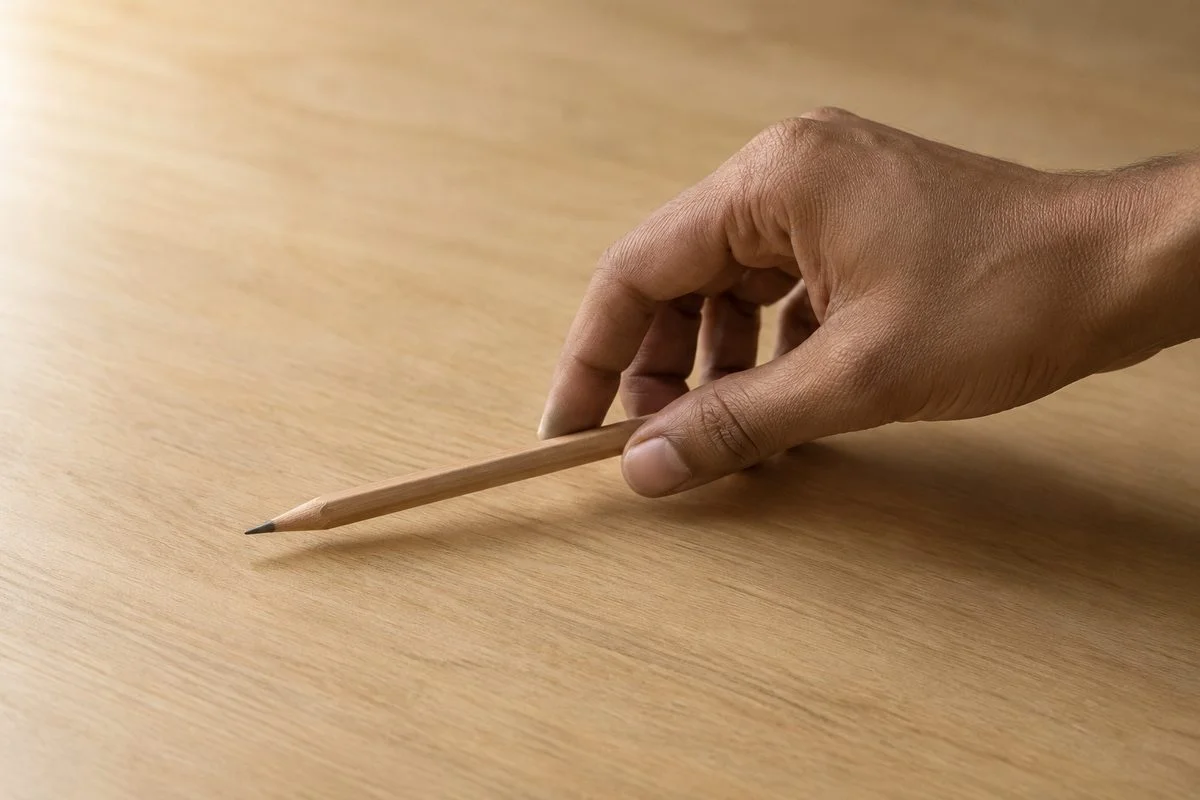
One hand taking a pencil from a wooden surface.

4. Hormones and emotional changes

Body chemicals influence development and feelings.

Show
Place a pencil between you. Agree to practise handling an annoyance, then take the pencil. After predicting, practise pausing and responding calmly.
Ask
Will feeling angry leave you any choice about your response?
Say
Someone taking your pencil may make you angry. You can still pause and choose your response.
Used in
Recognising anger helps people respond thoughtfully during disagreements.
If your child says…“When I'm angry, I can't help what I do.”
Ask
Could someone feel angry and still choose to speak calmly?
What’s true
Feelings influence behaviour without deciding it.

Caring for health and relationships

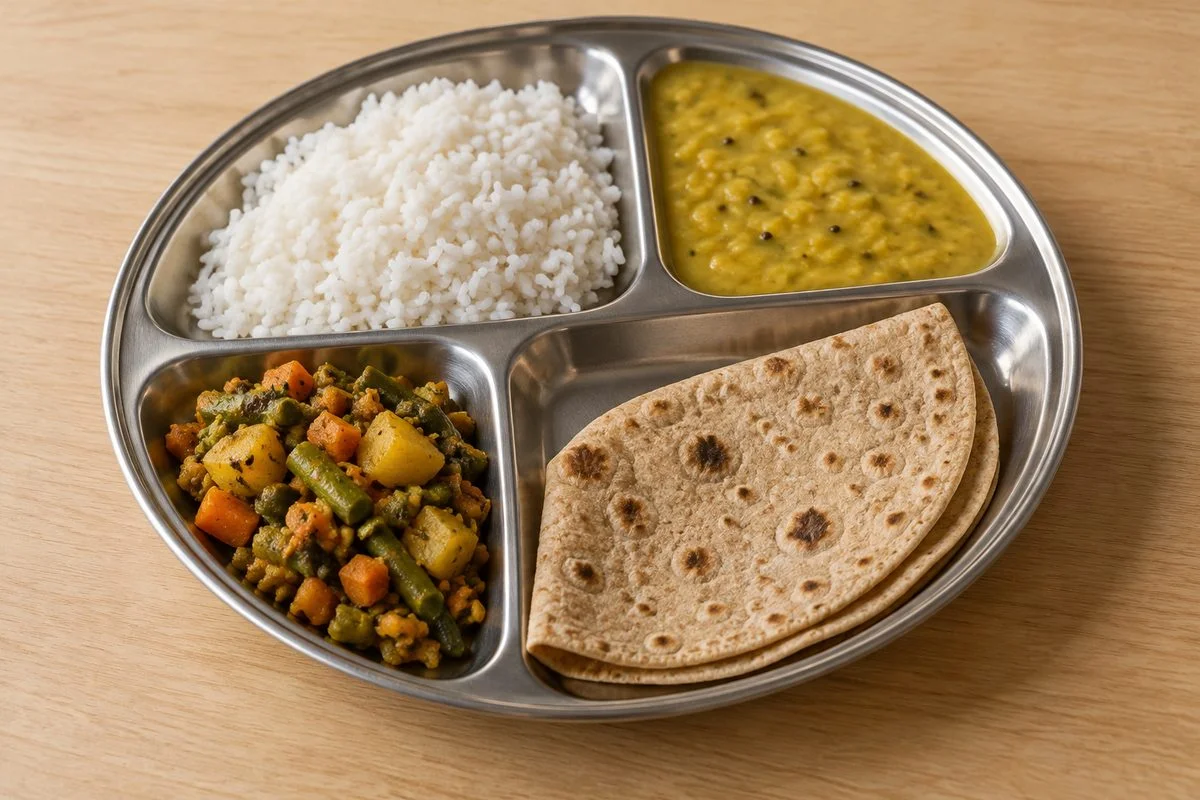
A steel thali containing rice, dal, vegetables and roti.

5. Nutrition

Growing bodies need a range of nutrients.

Show
Set out a meal of rice, dal, vegetables and roti.
Ask
Would a bigger plate of chips necessarily nourish you better?
Say
More chips would not necessarily nourish you better.
Used in
Calcium, proteins and fats help bones grow.
If your child says…“Growing teenagers just need bigger meals.”
Ask
Would extra chips supply everything this meal offers?
What’s true
A larger meal is not necessarily more nutritious.
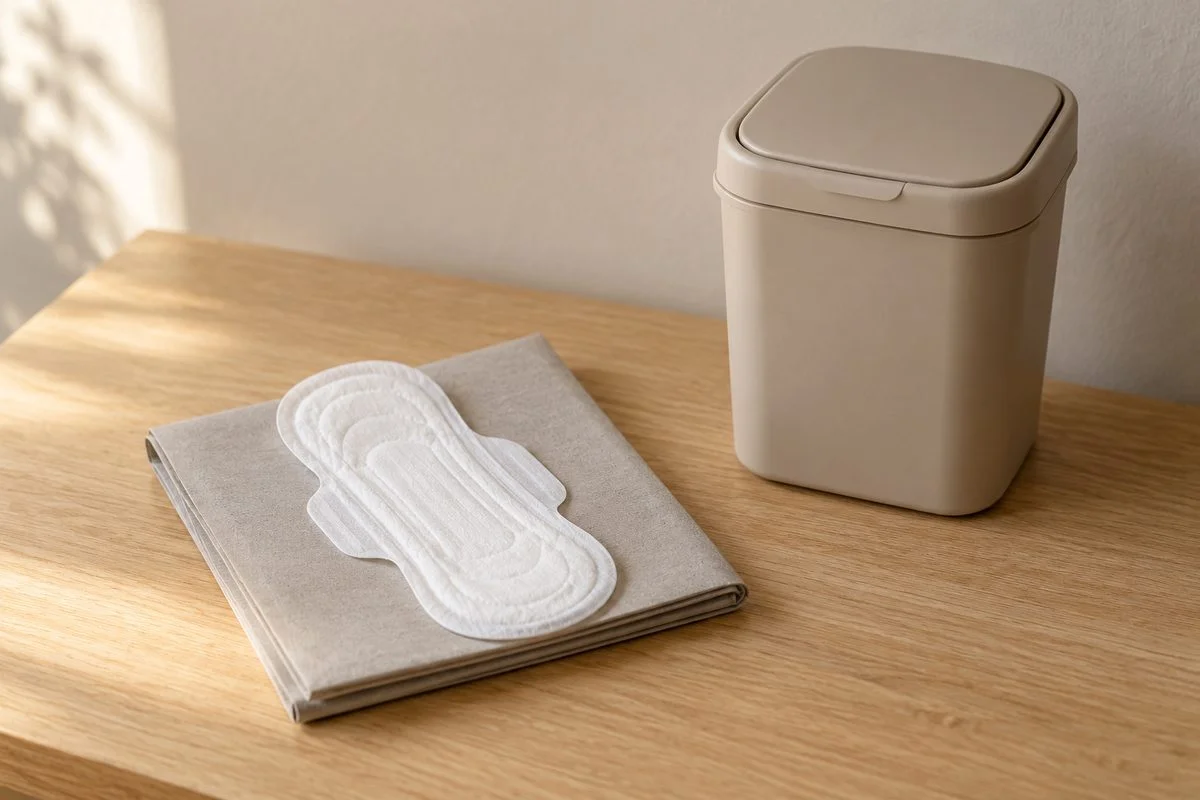
An unused pad on folded newspaper beside a small dustbin.

6. Personal and menstrual hygiene

Keeping clean protects everyone's health, including during periods.

Show
Place an unused pad on newspaper beside a dustbin.
Ask
Will leaving a used pad beside the bin keep the surroundings clean?
Say
No; wrap the pad before placing it inside the bin to keep the surroundings clean.
Used in
Wrapping used pads and binning them keeps shared surroundings clean.
If your child says…“A used pad can go down the toilet.”
Ask
Where should you put the wrapped pad to keep the surroundings clean?
What’s true
Used pads belong wrapped inside a dustbin.
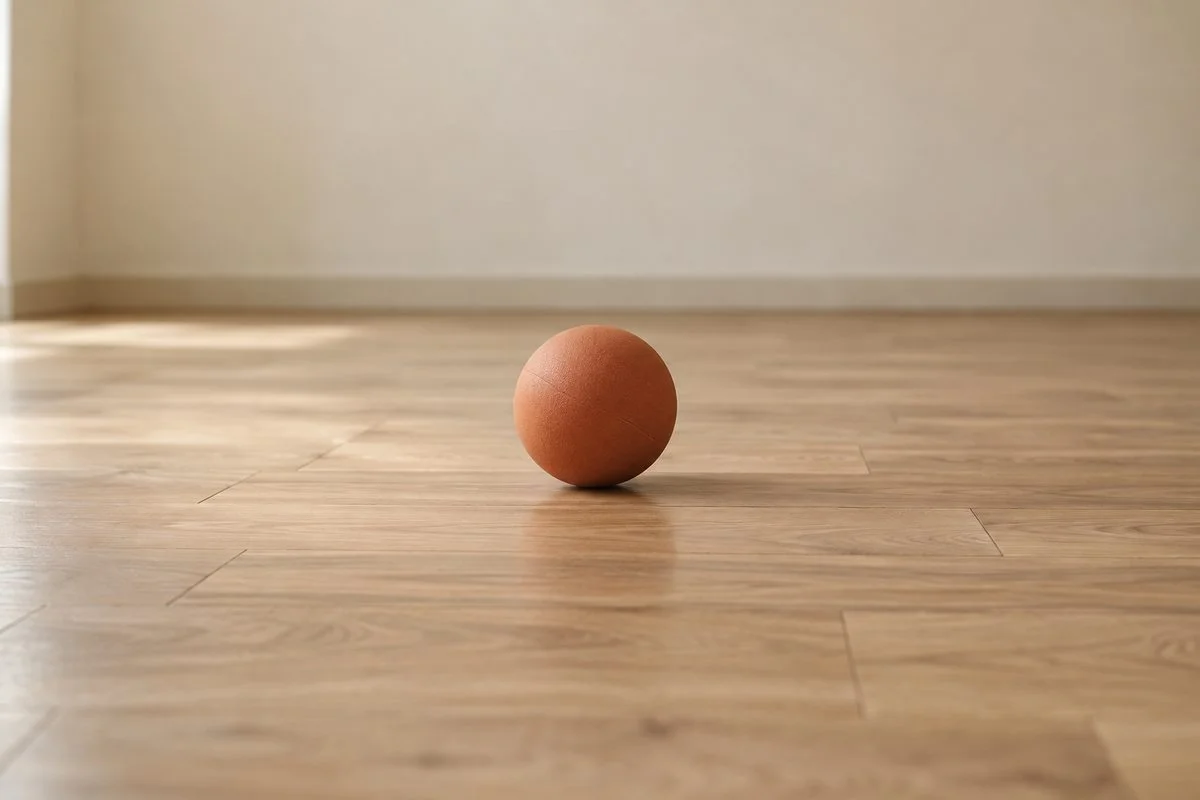
A ball on a wooden floor with clear space around it.

7. Physical activity and social behaviour

Play supports health; relationships need care online and in person.

Show
Place a ball in a clear space. Each describe how you feel. After predicting, play catch for two minutes, taking turns. Then compare how you feel.
Ask
How might you feel after playing catch?
Say
Play can support your body and mood. Taking turns shows care for others.
Used in
Parents and teachers help children facing cyberbullying get support.
If your child says…“Exercise only helps muscles.”
Ask
Can regular play help your mood even if today's game doesn't?
What’s true
Regular activity benefits the mind too.
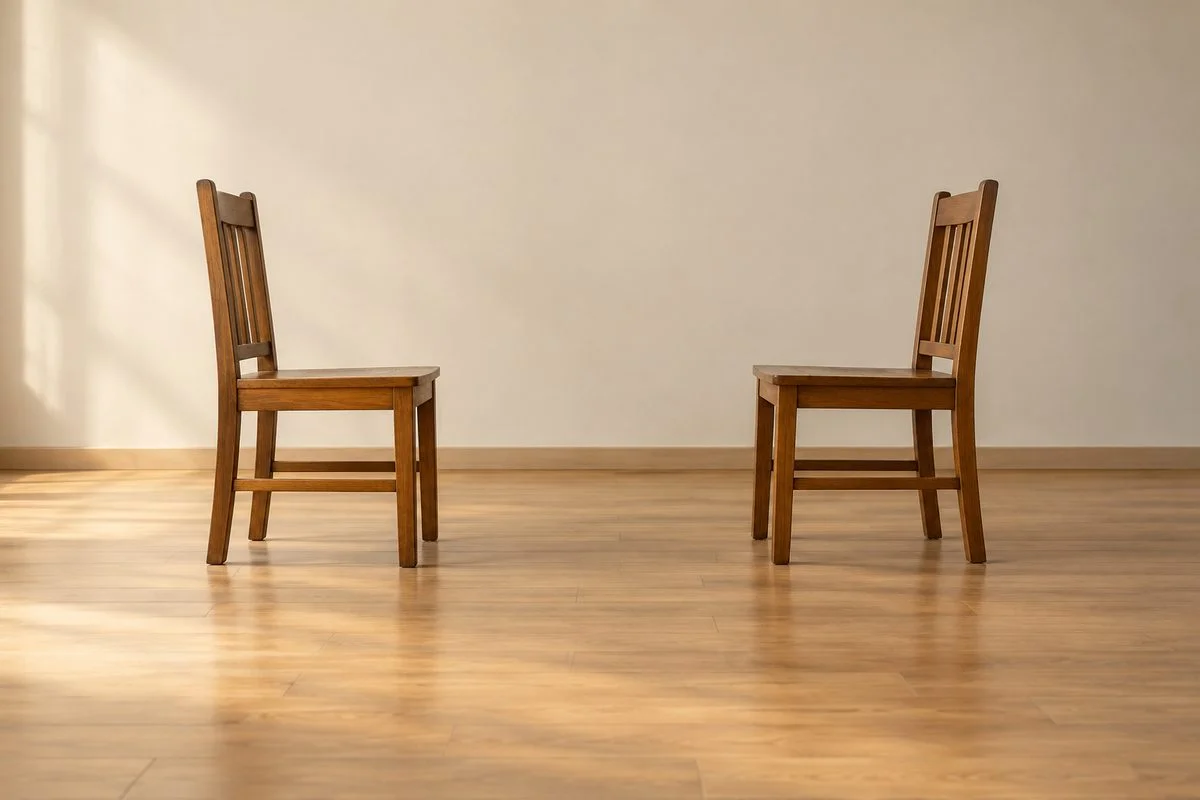
Two empty wooden chairs facing each other beside a clear walking space.

8. Addiction and refusing harmful substances

Addiction creates a strong urge to keep using a harmful substance.

Show
Sit on facing chairs. After predicting, practise saying 'No, I don't want it' and walking away.
Ask
Could accepting this offer make refusing next time harder?
Say
Accepting this offer could make refusing next time harder. Practise saying no and leaving.
Used in
Refusing addictive substances protects physical and mental health.
If your child says…“One try is harmless. I can stop whenever I want.”
Ask
Would a strong urge make stopping easier or harder?
What’s true
Trying once risks harm and addiction.

A real problem

A machine made affordable sanitary-pad production possible.

Muruganantham's wife used dirty cloths because sanitary products were expensive.

He completed his sanitary-pad machine assembly in 2004.

His invention enabled women to manufacture affordable sanitary pads.

National Innovation FoundationTIME

A plain packet of sanitary pads on a wooden shop counter.

Concept Lab · Common misconception

The tempting mistake in Adolescence: A Stage of Growth and Change

Open standalone misconception page →

Does the start of puberty mean growth is complete?

Wrong

The first visible sign of puberty means someone has finished growing.

Why it feels right. The visible sign feels like an arrival at adulthood.

Right

Puberty is a process. Its changes can unfold over several years.

Worked example

Development over time
First visible change→Continued growth and other changes→Later stages
Early signs and later growth can occur at different points in the same process.
  1. A student may notice an early visible change and then grow several centimetres over the following years.
  2. The first change marked part of a process that was still underway.

Ask your child eight quick questions.

One per step. The answer and the reason are given.

  1. Does a classmate's earlier voice change make them more grown up overall?

    No. Earlier visible changes do not rank overall development.

  2. Why is growing taller not a secondary sexual characteristic?

    Both sexes grow taller. Growing taller happens in both sexes, so not every adolescent change qualifies.

  3. What do June 6–28 show in this example?

    Cycle days without bleeding. Bleeding occupies only part of the menstrual cycle.

  4. What can someone choose even while feeling angry?

    How to respond. Strong feelings do not remove the ability to choose an action.

  5. What does a growing body need that meal size alone cannot guarantee?

    A range of nutrients. Growth requires several kinds of nutrients.

  6. Where should a wrapped used pad go?

    Inside a dustbin. Proper disposal helps protect community health and keeps surroundings clean.

  7. How can regular play affect mood?

    It can lift mood. Physical activity benefits mental as well as physical health.

  8. Can someone who becomes addicted always stop whenever they decide?

    No. Addiction creates a strong urge to keep using the substance.

15 more questions with answers, 3 with pictures