Skip to content

Teach The Ever-Evolving World of Science in eight steps.

For each idea: show it, ask before you tell, then say one line.

Gather paper, ball, ruler, ice, steel bowl, water, potted plant, fallen leaf, two pencils and access to a freezer.

Common misconceptions & worked visual for this chapter

How to teach it

Follow the connections

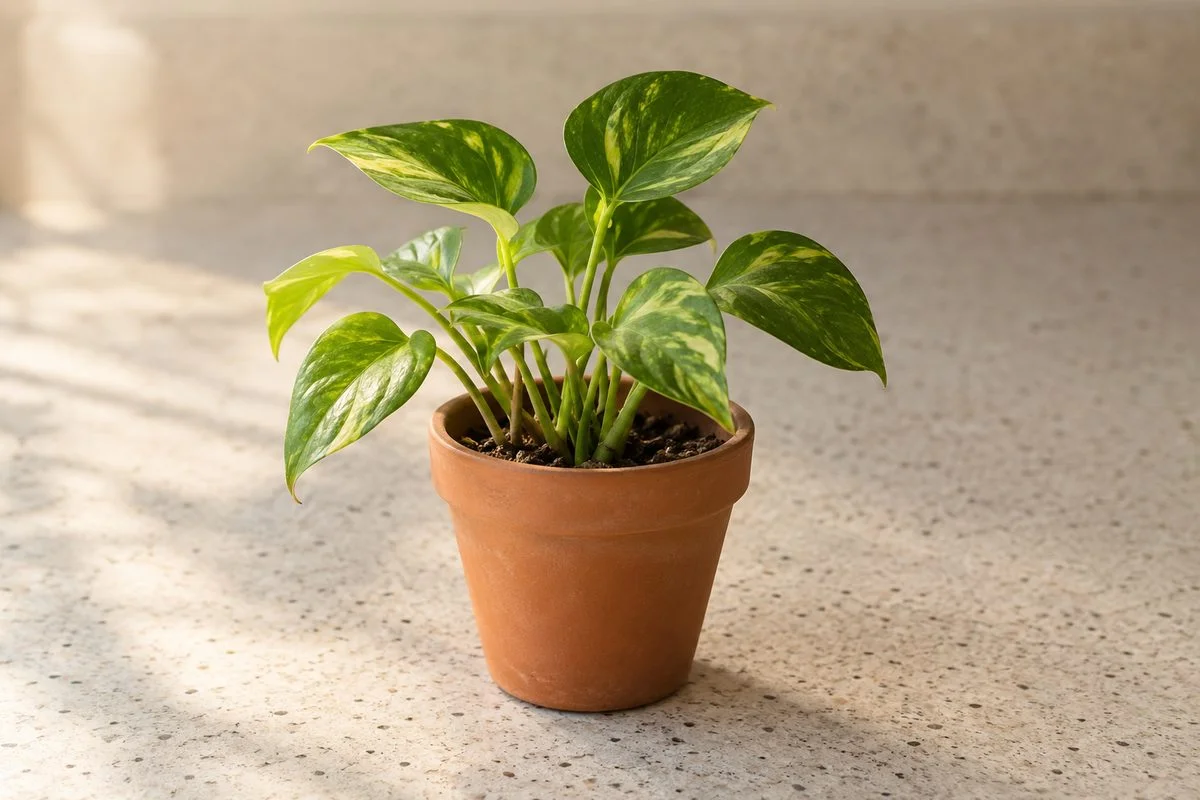
Potted plant with daylight reaching its leaves.

1. Interconnected fields of science

Ideas from one science topic can help us understand another.

Show
Place a plant in daylight. Point to the light reaching its leaves.
Ask
Would this plant grow equally well if it received much less light?
Say
Ideas about light can help us ask questions about plants.
Used in
Green plants use sunlight to make food, so studying light helps explain their growth.
If your child says…“Light and plants are completely separate science topics.”
Ask
Why would someone studying plant growth also investigate sunlight?
What’s true
An idea from one field can help explain something in another.
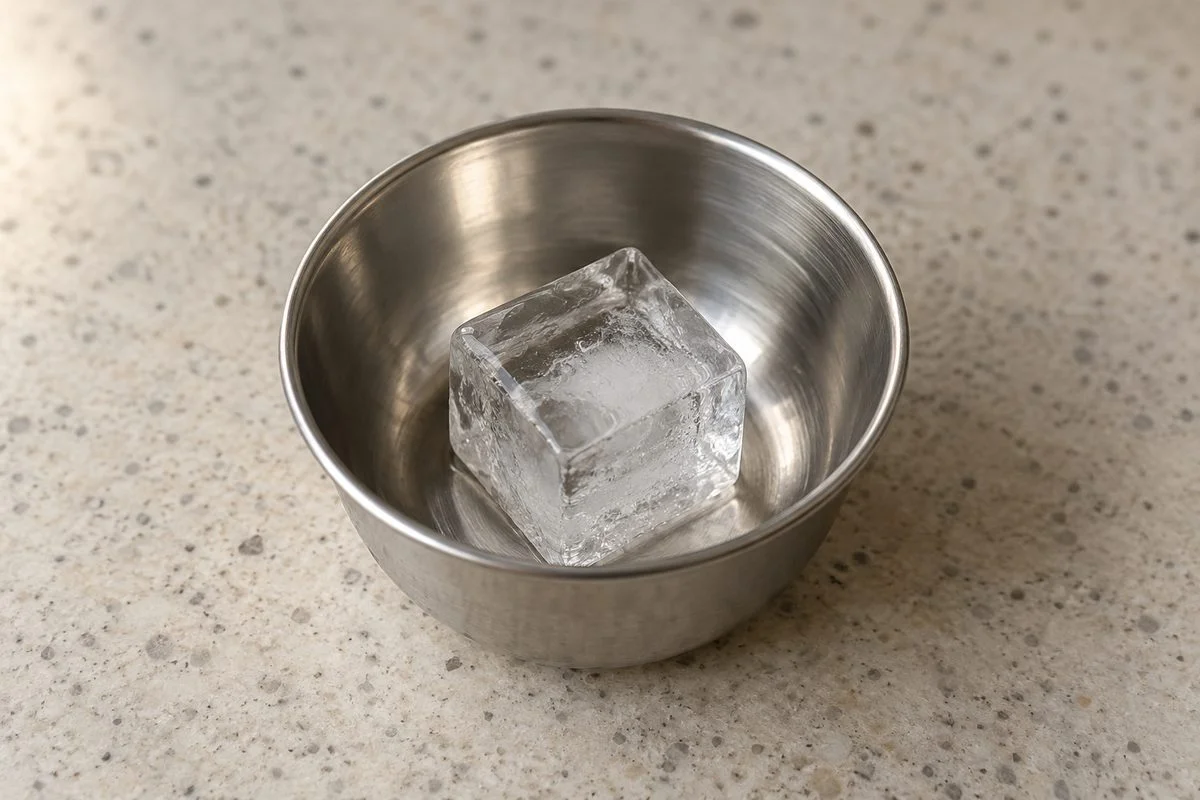
Intact ice cube in a small steel bowl.

2. Materials, changes and heat

Some changes can be undone; others cannot.

Show
Put an ice cube in the bowl. After the prediction, leave it to melt while you continue. Later, an adult puts the bowl in the freezer. Check again once the water has frozen.
Ask
Could this ice become solid again after melting?
Say
Melted ice can freeze again.
Used in
Circuit tests help group materials by whether they carry electricity.
If your child says…“Every change can be undone.”
Ask
Would freezing turn burnt paper back into a sheet?
What’s true
Freezing melted ice shows this change can be undone, not that every change can.
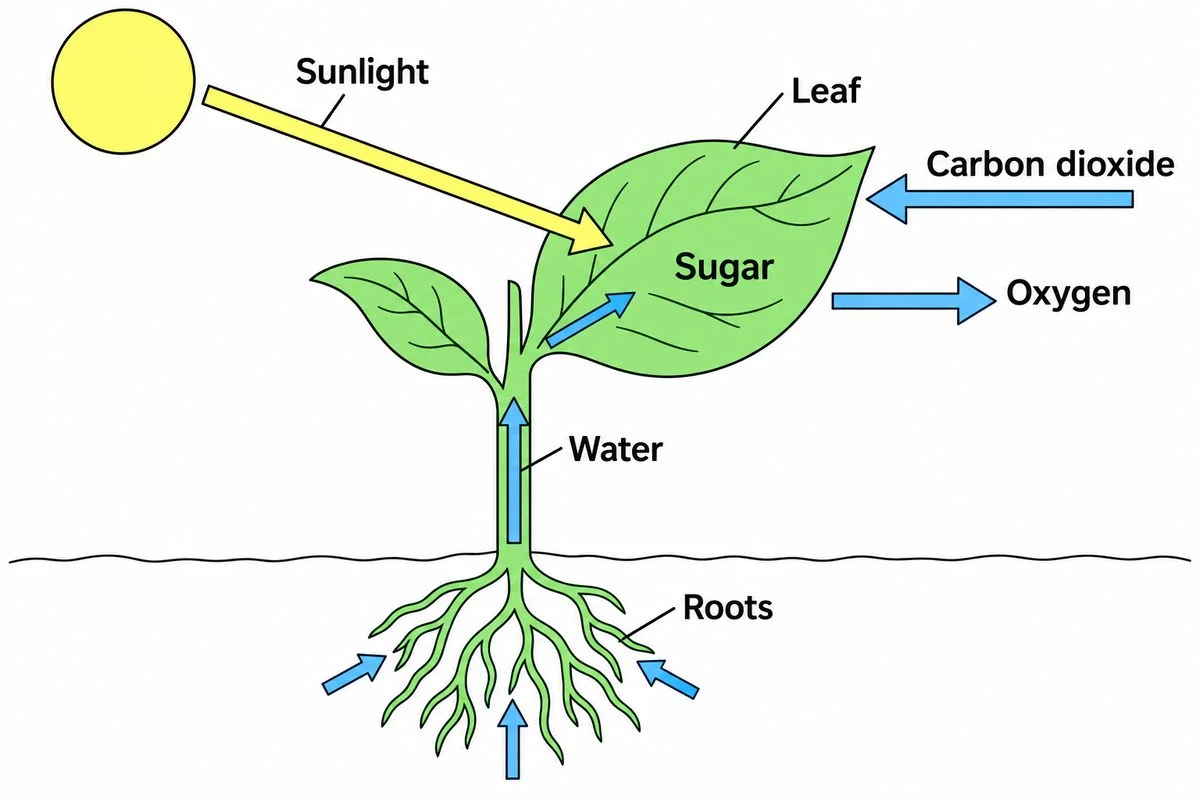
Plant diagram showing water, carbon dioxide and sunlight supporting sugar production, with oxygen released.

3. Water and life processes

Plants need food too, and use water to make it.

Show
Look at the diagram. Follow water from the roots to the leaf. Find carbon dioxide entering, sunlight reaching the leaf, sugar inside and oxygen leaving.
Ask
How will this plant get food when nobody feeds it meals?
Say
Its green leaves make sugar from water and carbon dioxide. Sunlight supplies the energy for making this food. Oxygen is released.
Used in
Rain can bring water from distant seas to the ground where plants grow.
If your child says…“Plants need water instead of food.”
Ask
What food does the leaf make using water?
What’s true
Plants use water to make food, which they need for energy and growth.
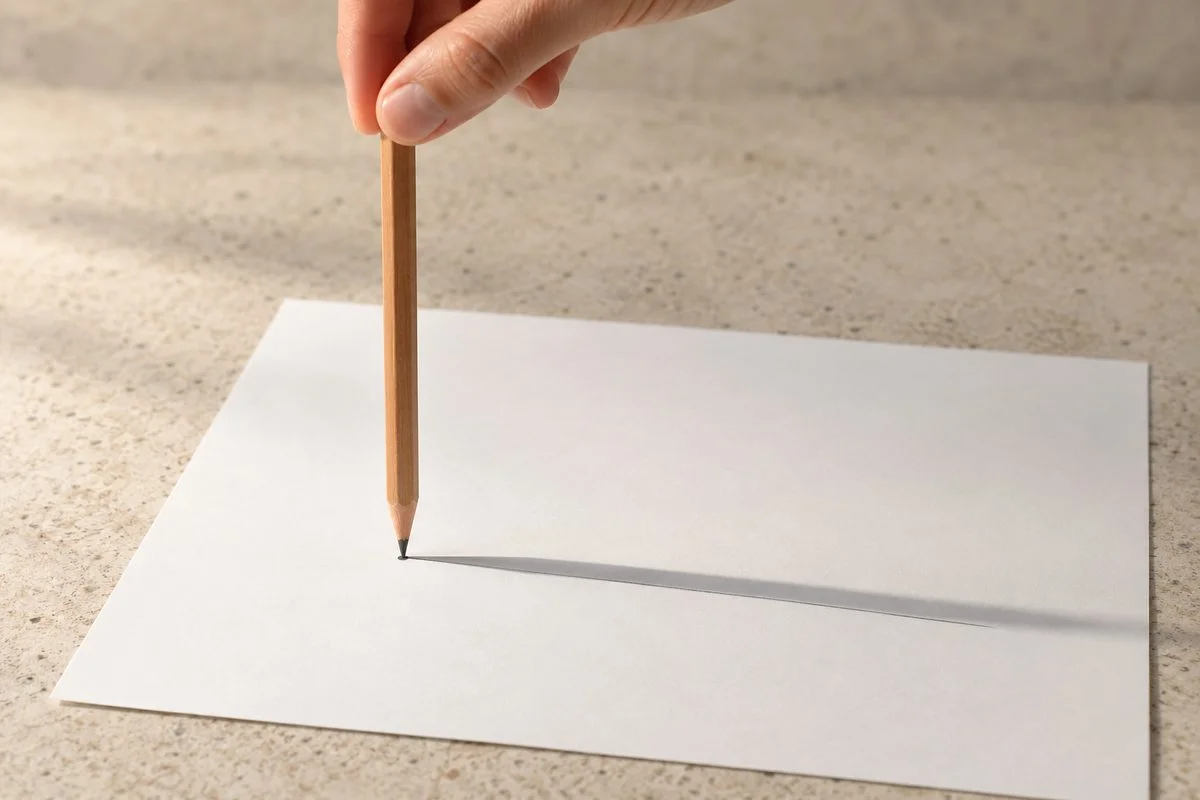
Hand holding an upright pencil over its marked base and traced shadow.

4. Measuring time with shadows

A shadow's position can help estimate the time.

Show
Hold a pencil upright on paper in sunlight. Mark its position and trace its shadow.
Ask
Will its shadow stay here when we check later today?
Say
Keep the paper fixed and return later with the pencil upright on its original mark.
Used in
Earth's and the Moon's shadows help explain eclipses.
If your child says…“You always need a clock to estimate the time.”
Ask
What could a familiar shadow position tell someone without a clock?
What’s true
On sunny days, familiar shadow positions can indicate the approximate time without a clock.

Ask, test and consider the effects

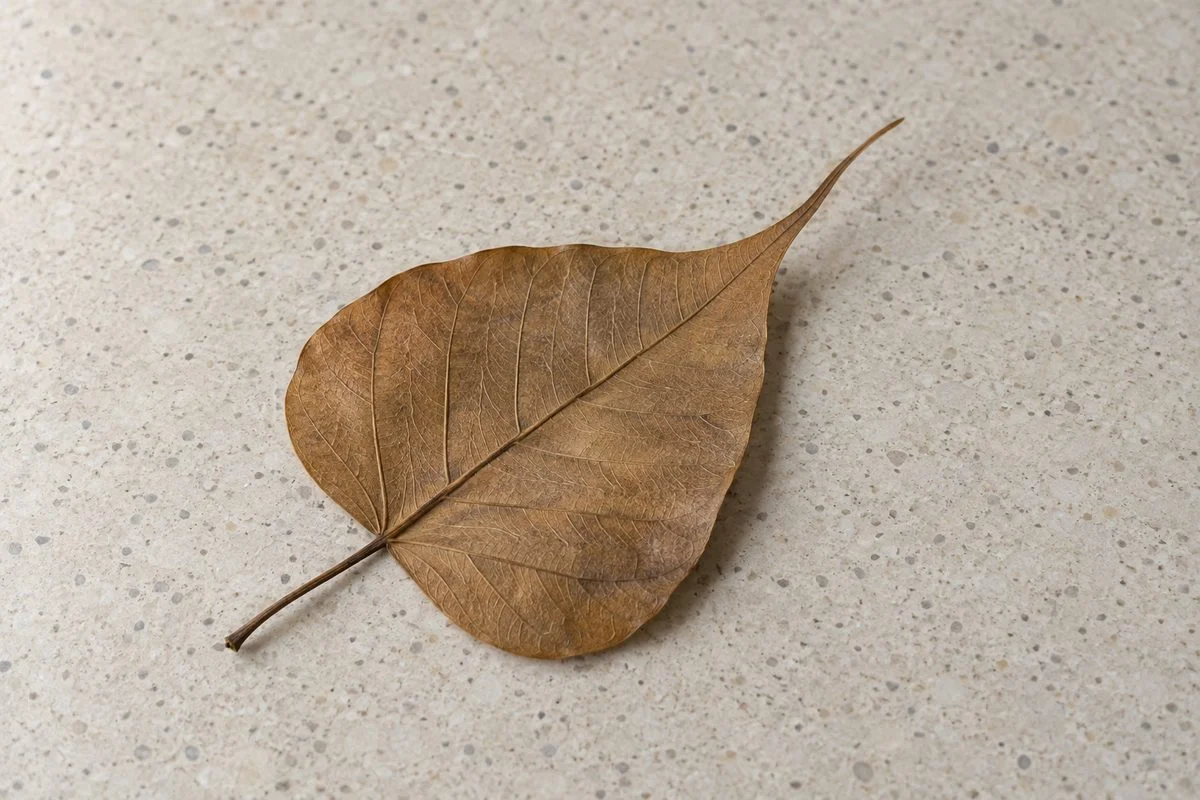
One fallen leaf with its shape and edges clearly visible.

5. Asking scientific questions

Finding a useful question is part of doing science.

Show
Place a fallen leaf on the table. Let your child finish 'I notice…', then 'I wonder…' about its shape. Choose what to look at to investigate.
Ask
Will other leaves from the plant this leaf came from have the same shape?
Say
Noticing the leaf's shape gave us something to ask.
Used in
Questions about light have helped people understand the universe.
If your child says…“Science is answering questions, not making them up.”
Ask
What could we investigate if nobody asked a question?
What’s true
A useful question can begin scientific work before an answer exists.
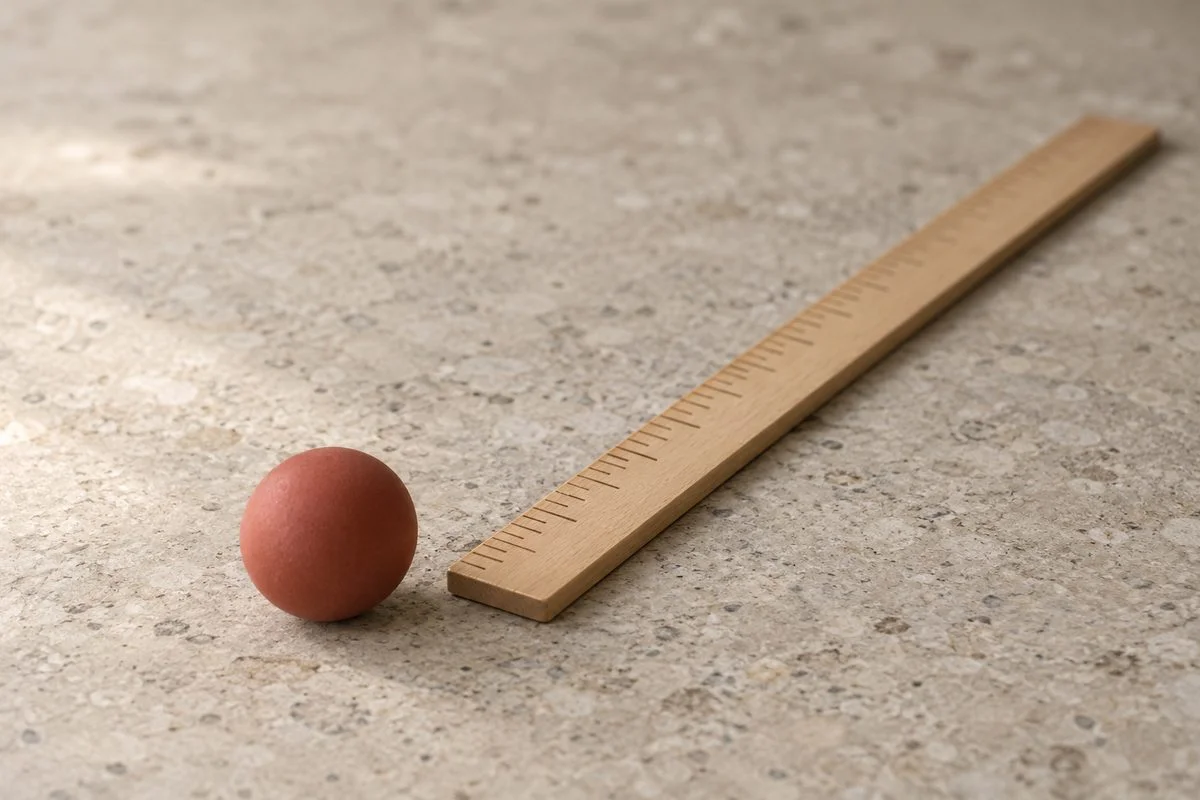
Ball beside one end of a ruler on a clear floor.

6. Science as a process

Test ideas, use observations and let results raise further questions.

Show
Place a ball beside one end of a ruler on a clear, level floor.
Ask
Will a gentle push carry the ball past the ruler's other end?
Say
Push the ball and compare the result with your prediction.
Used in
Satellite observations help scientists track cyclones and support early warnings.
If your child says…“The result matched, so there is nothing else to investigate.”
Ask
What could we change about the push and investigate next?
What’s true
Even an expected result can lead to another question.
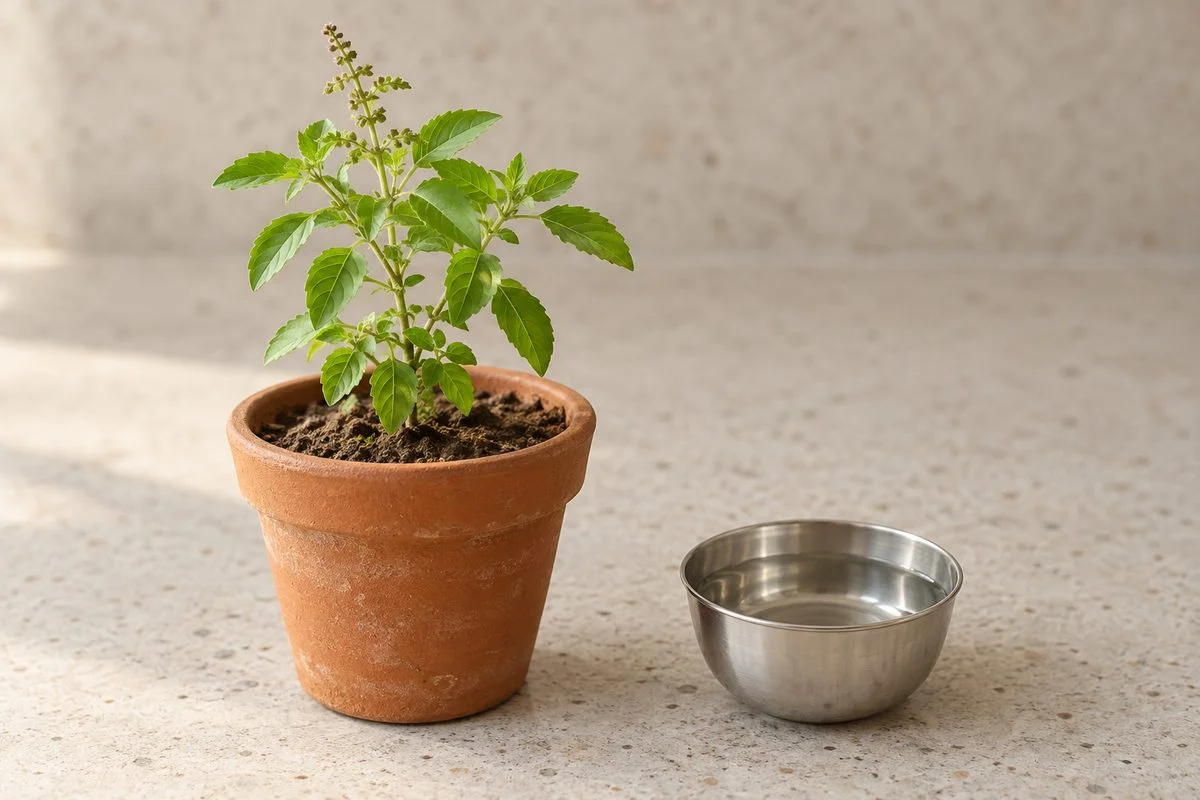
Potted plant and water ready for a watering decision.

7. Responsibility in science

Consider how discoveries and actions affect people and nature.

Show
Set the plant beside a bowl of water. Pause before watering it.
Ask
What might happen if we gave this plant far more water than it needs?
Say
Too much water can harm this plant. Thinking about that harm before watering is part of responsibility in science.
Used in
Cleaner energy and better resource use can help address environmental problems.
If your child says…“Discovering things is my job; responsibility belongs to governments.”
Ask
Who decides what we do to this plant?
What’s true
Young explorers also share responsibility for how their findings are used.
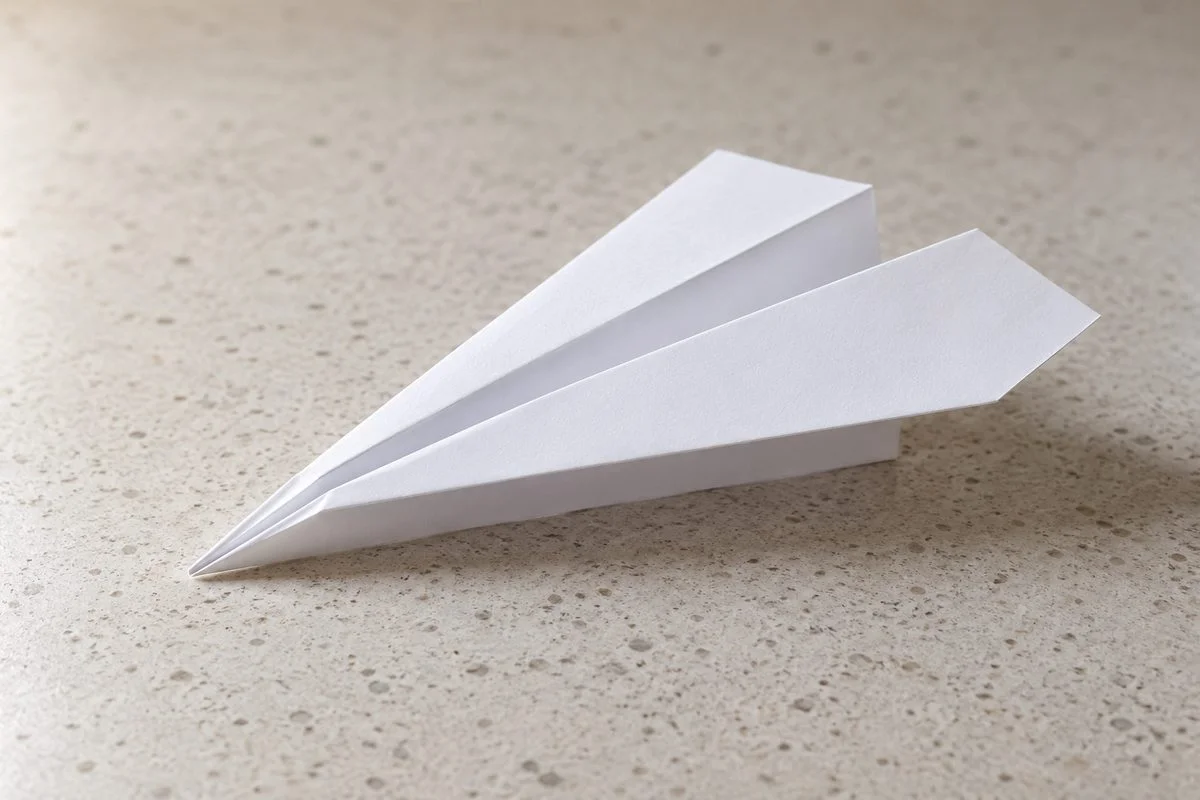
Folded paper plane resting on a clear stone surface before launch.

8. Simple observations and experiments

Everyday objects can begin serious scientific investigations.

Show
Fold a sheet into a paper plane. Clear a space for its flight.
Ask
Will this plane fly straight when we launch it?
Say
Try flying it and notice what happens.
Used in
Studying bird wings helped inventors develop flying machines.
If your child says…“Real science needs expensive equipment.”
Ask
What could we change about this plane and compare on its next flight?
What’s true
Simple objects can help us ask questions and test ideas.

A real problem

Phailin: early warnings helped save lives

Cyclone Phailin brought very heavy rain on October 12, 2013.

Scientists first tracked it using satellites, weather buoys, and observations from coasts and islands.

Warnings came early, and people acted in time to save lives.

India Meteorological DepartmentUNEP

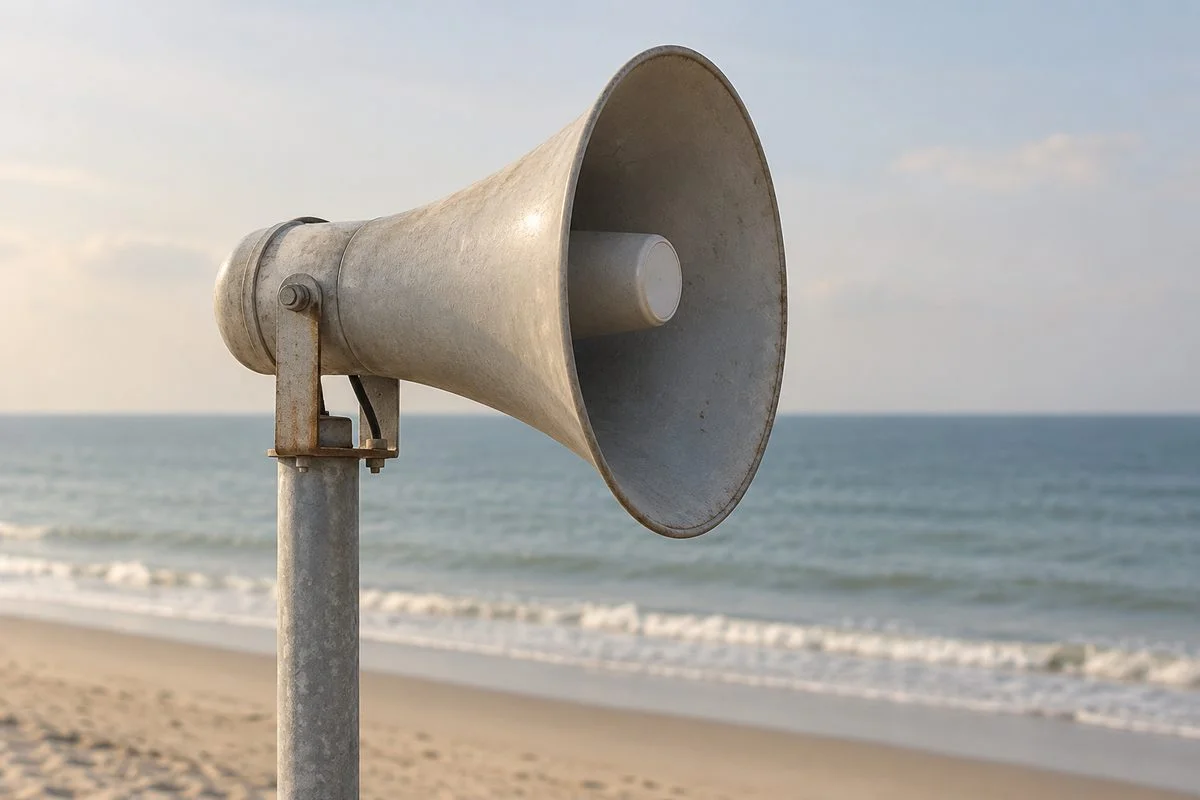
A coastal community loudspeaker for broadcasting cyclone warnings.

Concept Lab · Common misconception

The tempting mistake in The Ever-Evolving World of Science

Open standalone misconception page →

Does one matching result establish a scientific rule?

Wrong

If a wide bowl of water dries before a narrow cup once, the bowl shape must be the cause.

Why it feels right. I see the outcomes differ and pick the most visible difference.

Right

Change one condition at a time when testing its effect.

Worked example

Wide bowl
Same starting water→Same location and time→Measure water lost
Narrow cup
Same starting water→Same location and time→Measure water lost
Place both containers together so the comparison tests surface area under matched conditions.
  1. A wide bowl in a sunny window and a narrow cup in shade differ in surface area and conditions.
  2. Put both side by side, start with the same volume of water, and compare how much evaporates in the same time.

Ask your child eight quick questions.

One per step. The answer and the reason are given.

  1. Why does studying sunlight belong in an investigation of how plants make food?

    Plants need sunlight for this. Light and plant life connect through food production.

  2. What does freezing melted ice again tell us about reversing other changes?

    Nothing by itself. Other changes need their own evidence; burnt paper cannot become the original sheet.

  3. Using water, carbon dioxide and sunlight, what does a green plant make for energy and growth?

    Food. Water is an ingredient, not a replacement for the food plants need.

  4. What can a familiar shadow position tell someone without a clock?

    The approximate time. Familiar positions indicate approximate times as the Sun appears to move.

  5. Does asking why leaves have different shapes count as science before anyone finds an answer?

    Yes. Scientific work includes asking questions, even before answers are available.

  6. Does the first result settle how far a stronger push will carry the ball?

    No. The first result does not settle a question about a different push.

  7. Besides governments, who also has responsibility for using discoveries?

    Young explorers too. Responsibility accompanies discovery, including for young explorers.

  8. What makes trying different paper-plane folds an investigation?

    Testing and comparing what happens. Scientific investigation depends on questions and observations, not expensive equipment.