Skip to content

Teach Measurement of Time and Motion in seven steps.

For each idea: show it, ask before you tell, then say one line.

Gather a phone stopwatch, spoon, thread, metal nut, chair, ruler, paper, pencil, coin, flexible measuring tape and soft ball.

Common misconceptions & worked visual for this chapter · 15 practice questions with answers

How to teach it

Measuring time

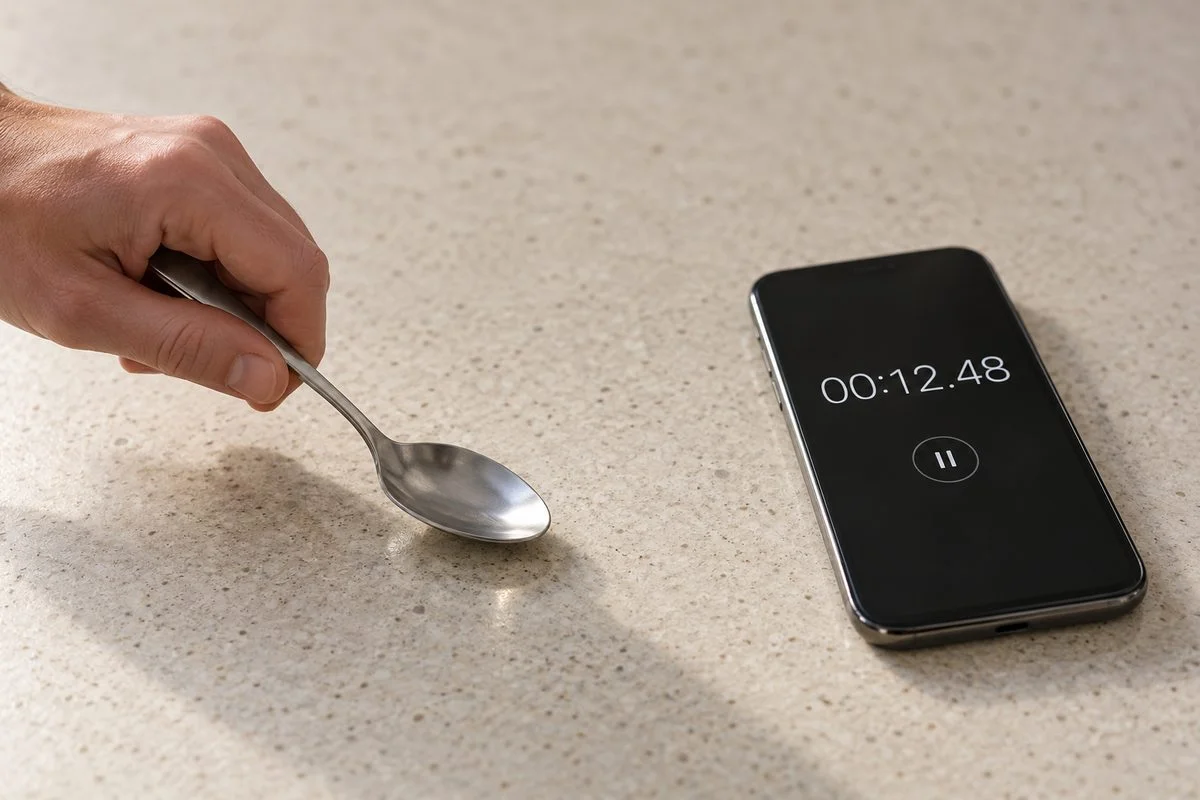
One hand taps a spoon beside a phone displaying a stopwatch.

1. Devices for measuring time

Clocks track time using events that repeat regularly.

Show
Time a chosen number of steady spoon taps with the phone stopwatch. After predicting, repeat that many taps more slowly and compare times.
Ask
If the taps slowed down, would the same count still mark the same time?
Say
No, the same count would not mark the same time. Clocks need regular repeats.
Used in
A stopwatch measures small intervals, allowing short races to be timed.
If your child says…“Modern clocks don't need anything to repeat.”
Ask
Would invisible repeats stop being useful for counting time?
What’s true
Repeats can happen without being visible.
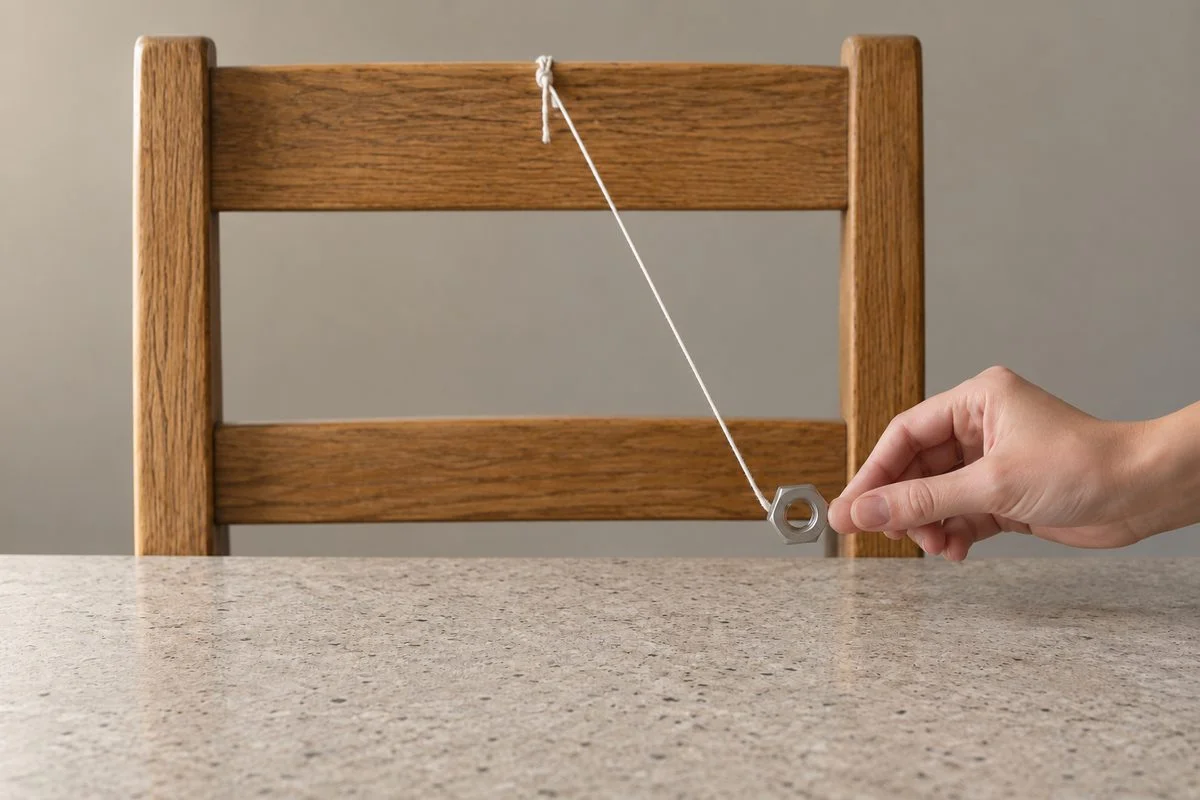
One hand holds a suspended metal nut slightly aside.

2. Simple pendulum and time period

The time period measures how long a complete swing takes.

Show
Tie a metal nut to thread on a firm chair back. Hold it slightly aside.
Ask
If we stop the bob at the opposite end, will it have completed one oscillation?
Say
No. Count from this end to the other end and back.
Used in
Pendulum clocks count repeated swings to track time.
If your child says…“Reaching the other end completes a swing.”
Ask
Has it returned to where you released it?
What’s true
Reaching the other end completes only half.

1 min=60 s1\,\mathrm{min}=60\,\mathrm{s}

1 min  30 s=60 s+30 s1\,\mathrm{min}\;30\,\mathrm{s}=60\,\mathrm{s}+30\,\mathrm{s}

3. SI unit of time

Use the second, written s, as the SI time unit.

Show
Write these lines. Say, “Change the minute into seconds, then add the remaining seconds.”
Ask
What total time in seconds do you predict for this 1 minute 30 second race?
Say
The race took 90 s.
Used in
Shared symbols make recorded times clear to others.
If your child says…“I'll write sec.”
Ask
Which symbol matches our SI unit?
What’s true
Use s for seconds.

Comparing and calculating speed

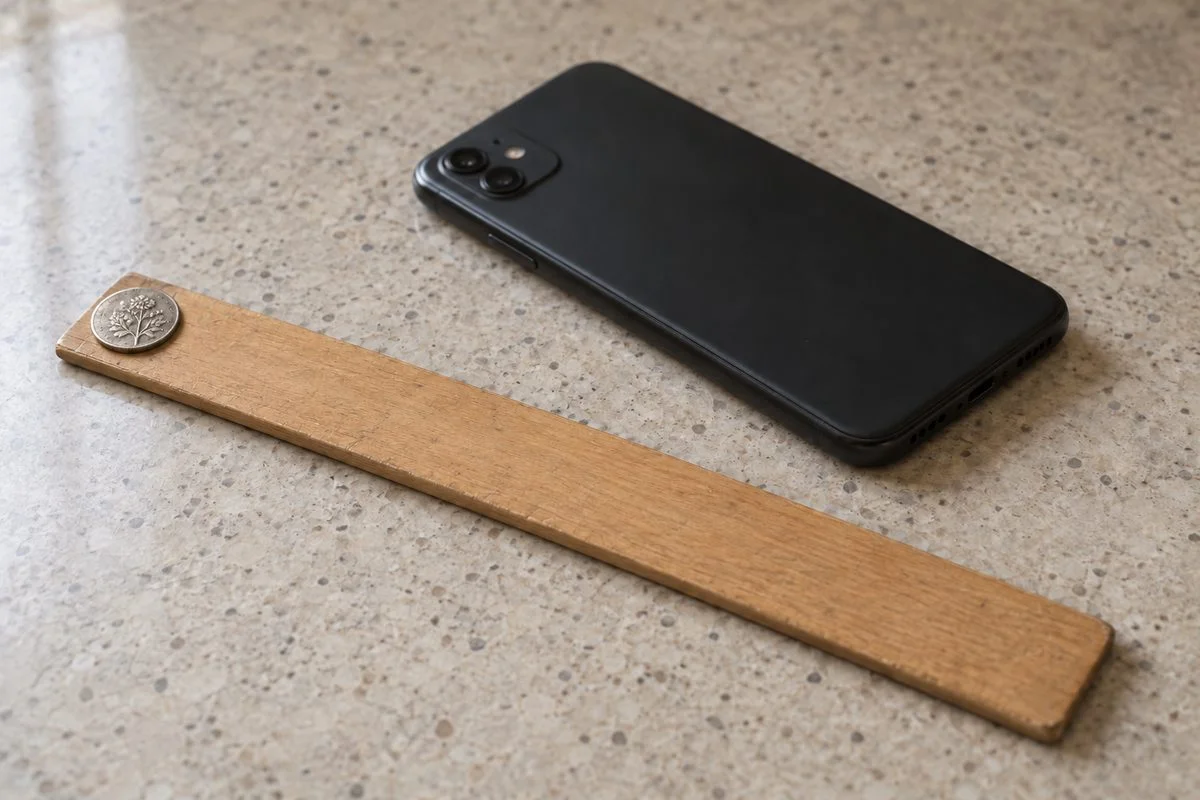
Coin at one end of an unnumbered ruler beside a phone.

4. Faster and slower

Over matching distances, less time means faster motion.

Show
Place a coin at one end of a ruler. After the prediction, time two trips along it, moving the coin at different speeds.
Ask
If the second trip takes longer along this ruler, will it be faster or slower?
Say
It will be slower. For matching distances, compare the times.
Used in
Race times identify the faster runner over the same course.
If your child says…“The longer time means faster.”
Ask
Which trip finished sooner?
What’s true
Taking less time over that distance means faster.
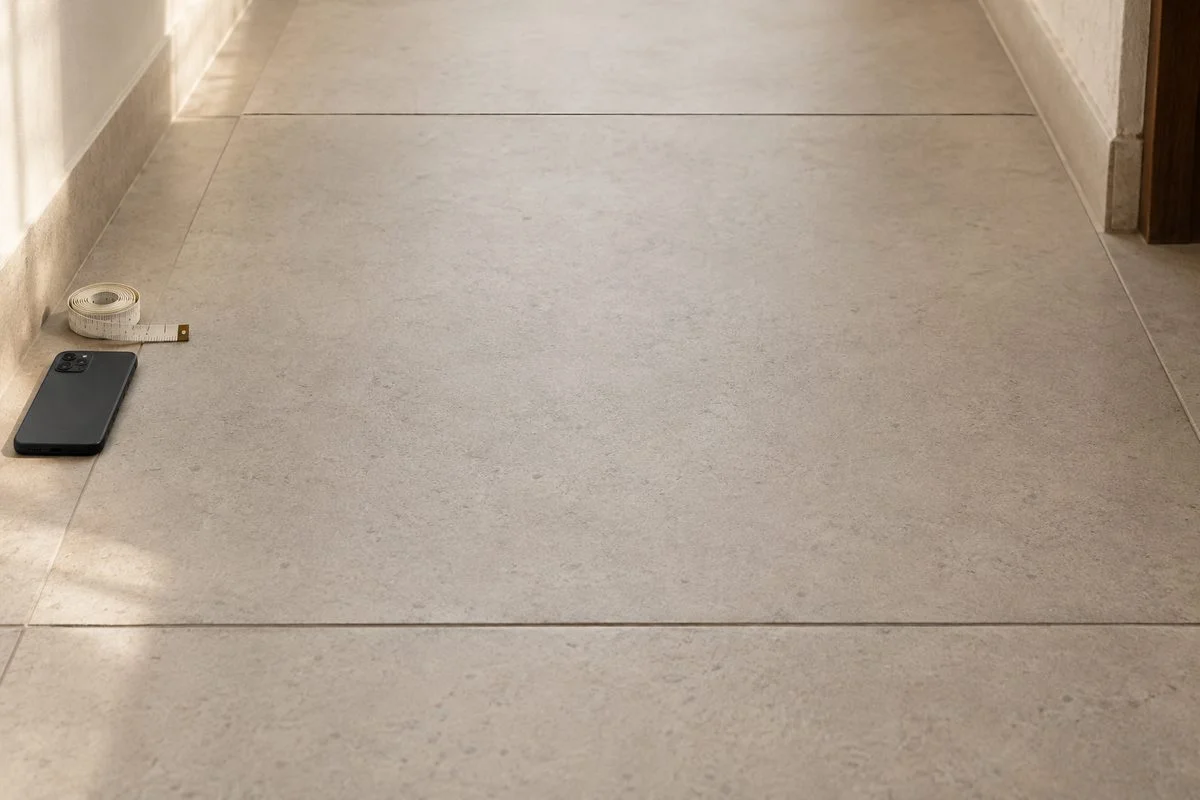
Clear tiled walking route with a measuring tape and phone beside it.

5. Average speed

How far something travels per second or per hour overall.

Show
Measure the distance between two floor joints in metres. After predicting, time your child's whole walk between them.
Ask
If this trip takes longer, what happens to its average speed?
Say
Its average speed decreases. Divide the walk's total distance by its total time.
Used in
Average speeds let us compare bus journeys of different lengths.
If your child says…“I'll divide seconds by metres.”
Ask
Does m/s put metres or seconds above the division line?
What’s true
Divide distance by time.

Distance=speed×time\text{Distance}=\text{speed}\times\text{time}

Distance=5 m/s×4 s\text{Distance}=5\,\mathrm{m/s}\times4\,\mathrm{s}

6. Distance from speed and time

Multiply steady speed by travel time to calculate distance.

Show
Write these lines. Say, “The cyclist travels steadily, covering 5 metres each second for 4 seconds.”
Ask
How far will the cyclist travel in those 4 seconds?
Say
The cyclist travels 20 metres. Multiply the distance covered each second by the number of seconds.
Used in
A train's steady speed and travel time let us calculate its distance.
If your child says…“I'll divide speed by time for distance.”
Ask
Would dividing by a longer time give more distance?
What’s true
Longer travel at unchanged speed covers more distance.

Describing motion

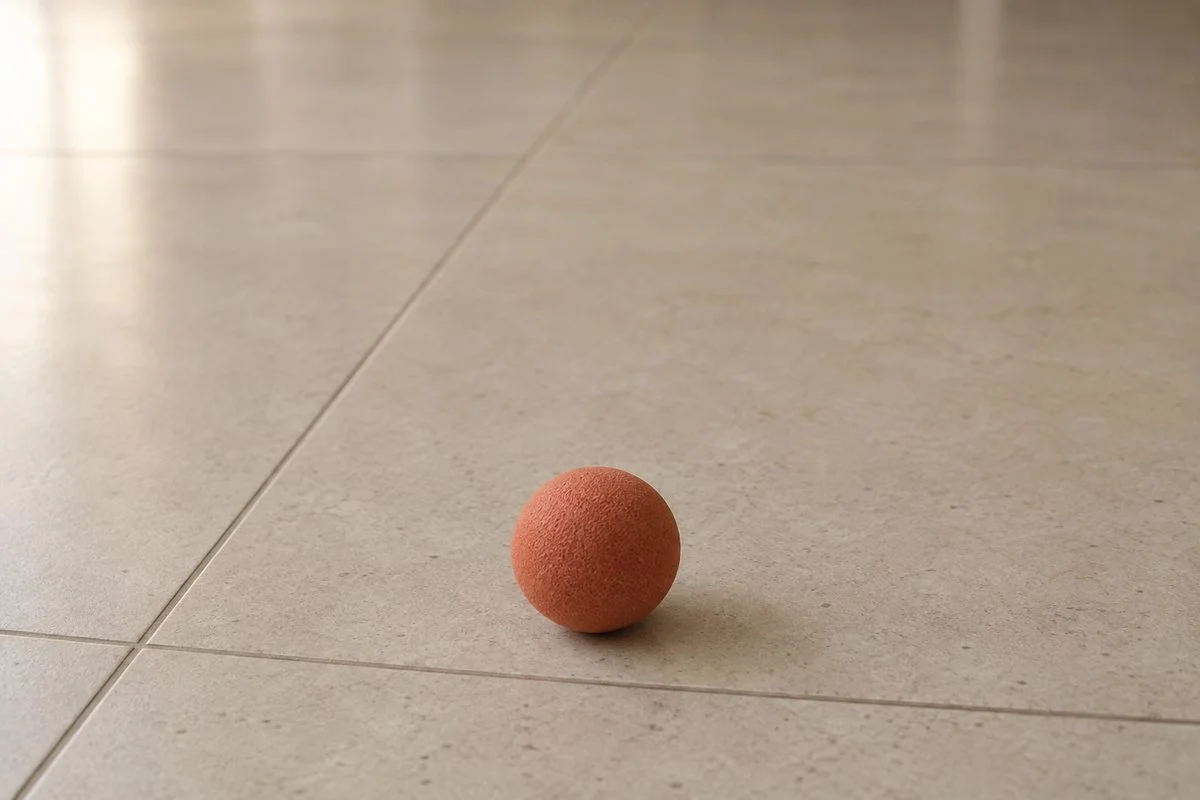
Soft ball on a clear tiled floor beneath open space.

7. Uniform and non-uniform linear motion

Straight motion is uniform when speed stays steady, and non-uniform otherwise.

Show
Place a soft ball on a clear floor, with open space above. After predicting, toss it gently straight up and catch it. Watch its upward movement.
Ask
Will the ball keep the same speed as it rises?
Say
The rising ball slows along a straight path, so its motion is non-uniform.
Used in
Average speed describes a bus trip despite its stops and starts.
If your child says…“Straight always means uniform.”
Ask
Did the ball keep the same speed as it approached the top?
What’s true
Changing speed makes this straight motion non-uniform.

A real problem

NavIC links time measurements with finding a location.

India's satellite navigation system received the name NavIC in April 2016.

ISRO established NavIC to meet India's needs for positioning, navigation and timing.

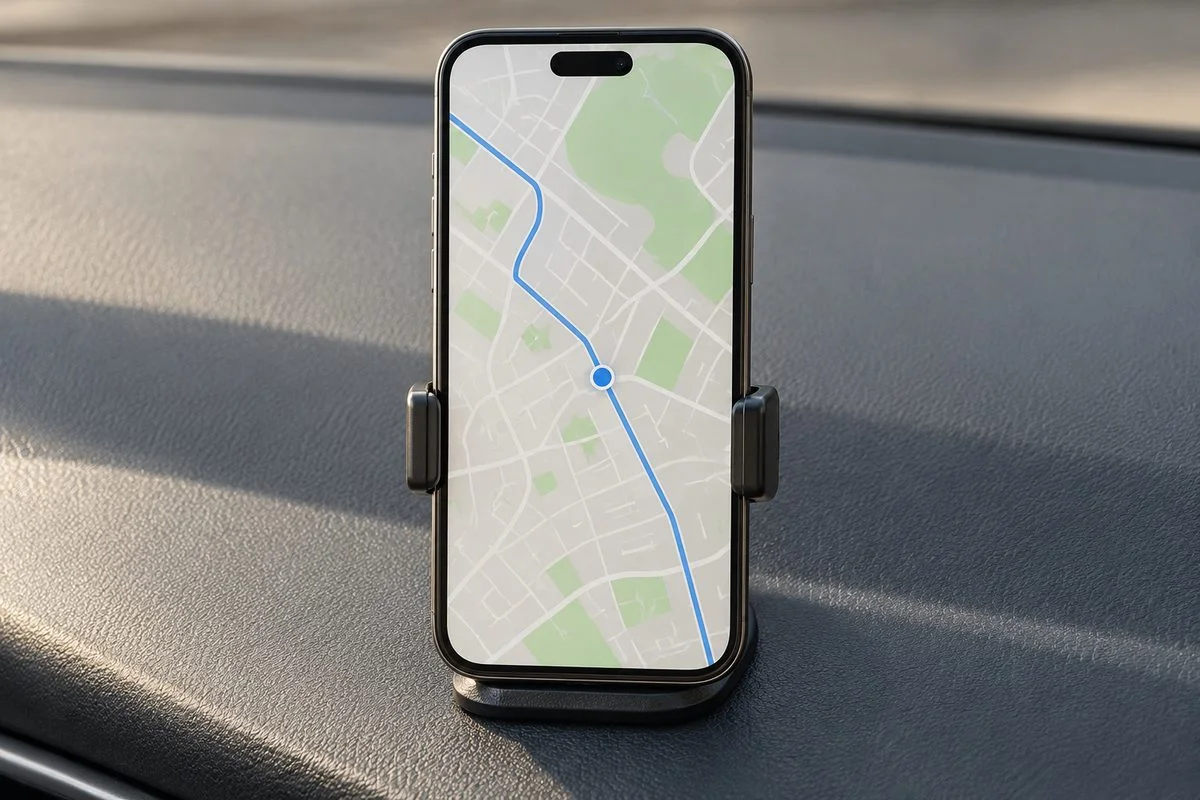
Satellite navigation multiplies a radio signal's travel time by its speed to calculate satellite distance.

ISROEuropean Space Agency

Smartphone displaying a navigation map on a car dashboard.

Concept Lab · Common misconception

The tempting mistake in Measurement of Time and Motion

Open standalone misconception page →

Do stops count when you calculate average speed?

Wrong

A trip's average speed counts only the time spent moving.

Why it feels right. While the vehicle is stopped its speed is zero, so I leave that time out.

Right

Average speed for the whole trip uses total distance and total elapsed time.

Worked example

The whole trip includes the stopped interval. The distance stays at 2 km during that time.
  1. A cyclist rides 2 km in 10 minutes, waits 10 minutes, and rides 2 km in 10 minutes.
  2. The whole trip covers 4 km in 30 minutes, giving 8 km/h.
  3. The moving-time average alone is 12 km/h.

Ask your child seven quick questions.

One per step. The answer and the reason are given.

  1. Do modern clocks need regular repeats even when we cannot see them?

    Yes. Modern clocks count regular repeats that are too small or fast to see.

  2. The bob moves from one end to the opposite end. How many oscillations is that?

    Half an oscillation. A complete oscillation includes returning to the starting end.

  3. How should you write 30 seconds using its standard unit symbol?

    30 s The standard symbol is s, separated from the number by a space.

  4. Meera runs 100 metres in 12 seconds, Nikhil in 15 seconds. Who is faster?

    Meera. Meera covers the same distance in less time.

  5. A runner covers 100 metres in 20 seconds. What is the average speed?

    5 m/s. Dividing 100 metres by 20 seconds gives five metres per second.

  6. A train maintains 60 km/h for 3 hours. How far does it travel?

    180 km. Multiply 60 kilometres per hour by three hours.

  7. A train speeds up along a straight track. What kind of linear motion is this?

    Non-uniform linear motion. Its speed changes even though its path stays straight.

15 more questions with answers, 1 with pictures