Skip to content

Teach Life Processes in Animals in eight steps.

For each idea: show it, ask before you tell, then say one line.

Gather chapati, a plate and a chair, with access to a resting cow and an existing aquarium.

Common misconceptions & worked visual for this chapter · 15 practice questions with answers

How to teach it

Digestion in humans

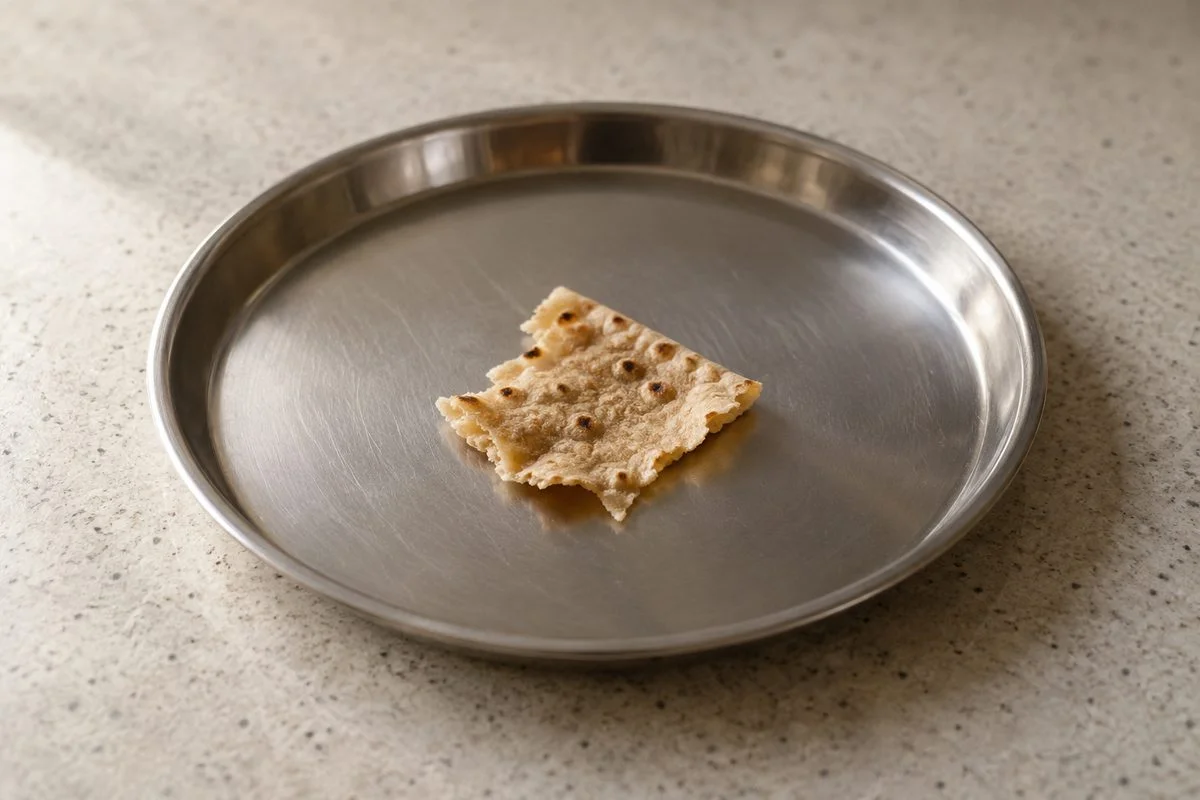
Small piece of chapati on a steel plate.

1. Digestion

Food substances break down into simpler substances the body can absorb.

Show
Put a small piece of plain chapati on a plate. After the prediction, chew slowly and notice any taste change.
Ask
Will chewing change only its size?
Say
Saliva begins changing starch into sugars before food reaches the stomach.
Used in
Stomach acid helps protein digestion and kills many harmful bacteria.
If your child says…“Digestion starts in my stomach.”
Ask
If it tastes sweeter, where did that change begin?
What’s true
Digestion begins in the mouth.
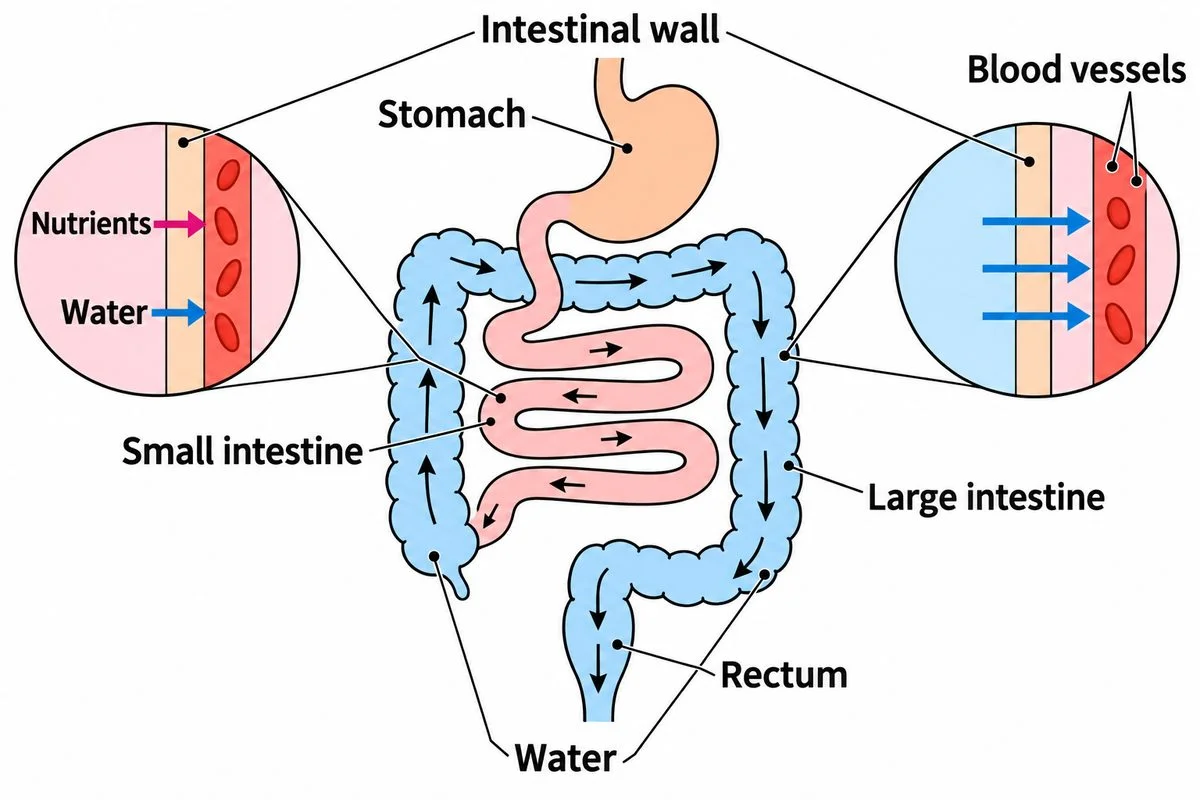
Intestines with arrows showing nutrients and water crossing their walls into blood.

2. Small intestine and large intestine

The small intestine absorbs most nutrients; the large intestine mainly absorbs water.

Show
Find the stomach in the diagram. Trace the route through both intestines to the rectum. Follow the arrows crossing the intestinal walls.
Ask
How will nutrients inside the small intestine reach the rest of you?
Say
Most digested nutrients cross the small-intestine wall into blood, which carries them around. Both intestines absorb water.
Used in
Tiny intestinal projections provide more surface for absorbing nutrients.
If your child says…“My stomach absorbs most food nutrients.”
Ask
Which organ has the arrows carrying nutrients into blood?
What’s true
Most digested nutrients enter blood through the small-intestine wall.

Digestion in other animals

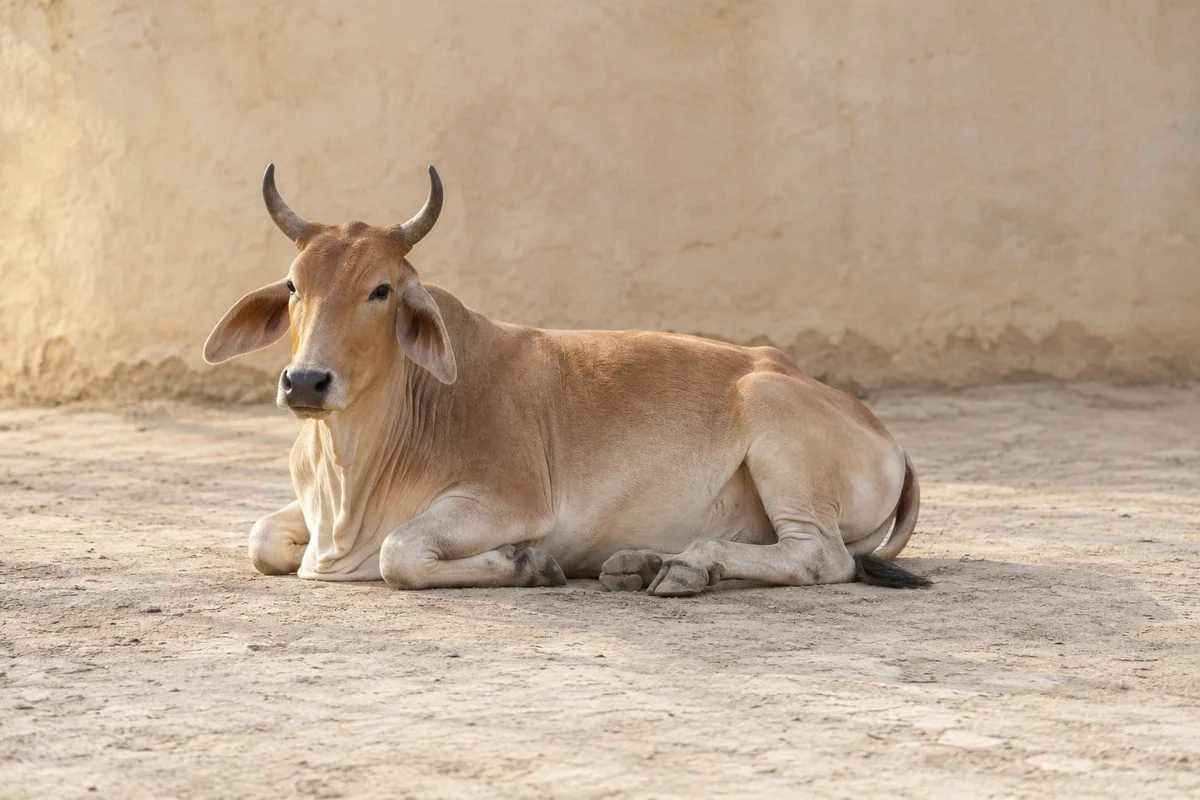
Resting cow with its head raised and no fresh fodder nearby.

3. Rumination

Swallowed food returns to the mouth for more chewing.

Show
Find a nearby resting cow without approaching or disturbing it. After predicting, watch its mouth while it takes no fresh food.
Ask
Will it keep chewing without taking fresh grass?
Say
A resting cow usually chews cud: food brought back from its stomach.
Used in
Chewing cud breaks swallowed grass into smaller pieces.
If your child says…“That grass never left its mouth.”
Ask
Was this food kept in the mouth, or swallowed and brought back?
What’s true
The cow swallowed it earlier.
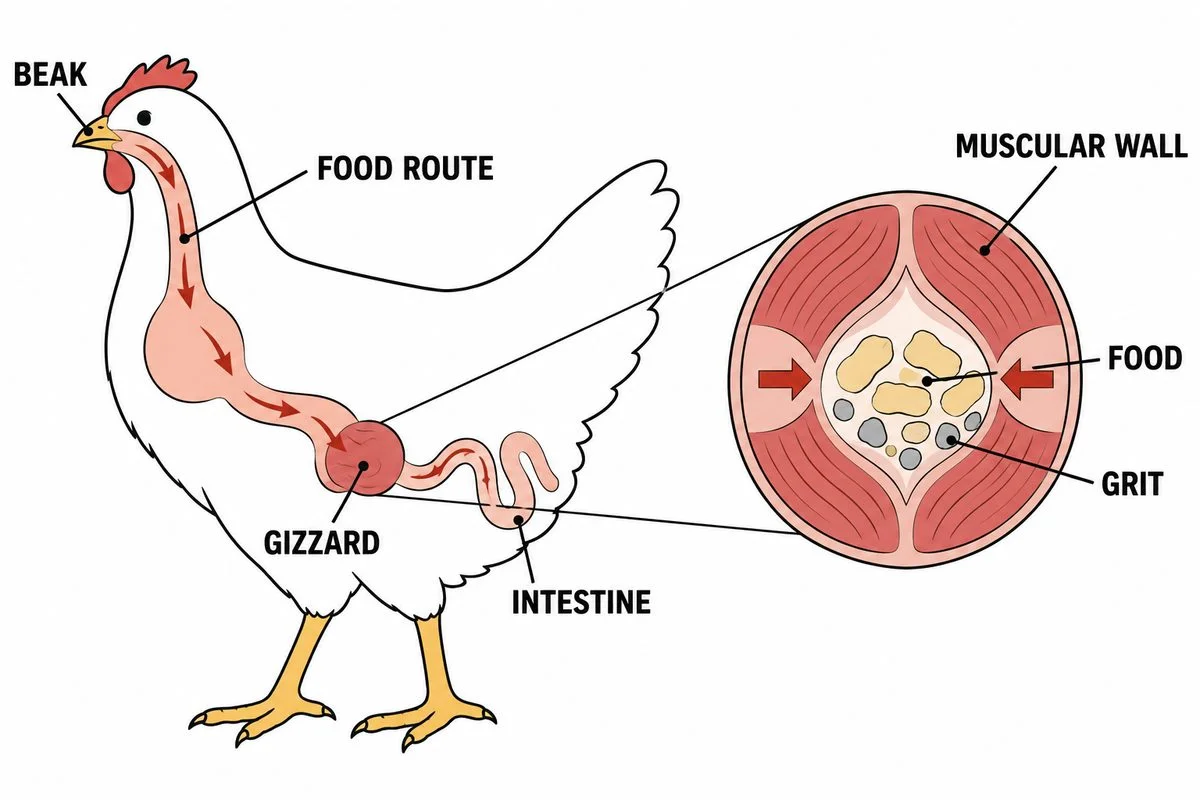
Hen’s food route and enlarged gizzard showing muscular walls squeezing food and grit.

4. Gizzard

A muscular stomach chamber that grinds swallowed food.

Show
Find the hen’s beak in the diagram. Follow the food route to the gizzard. Look at its enlarged muscular walls and the inward arrows.
Ask
Without teeth, where do you think this hen will grind the grain it swallows?
Say
A hen has no teeth, so swallowed grain is ground inside its gizzard. Strong muscular walls squeeze the food.
Used in
Swallowed grit helps some birds grind food.
If your child says…“Hens chew grain with their beaks.”
Ask
Where do the squeezing arrows act on the food?
What’s true
The gizzard grinds swallowed food; the beak does not chew it.

Breathing and respiration

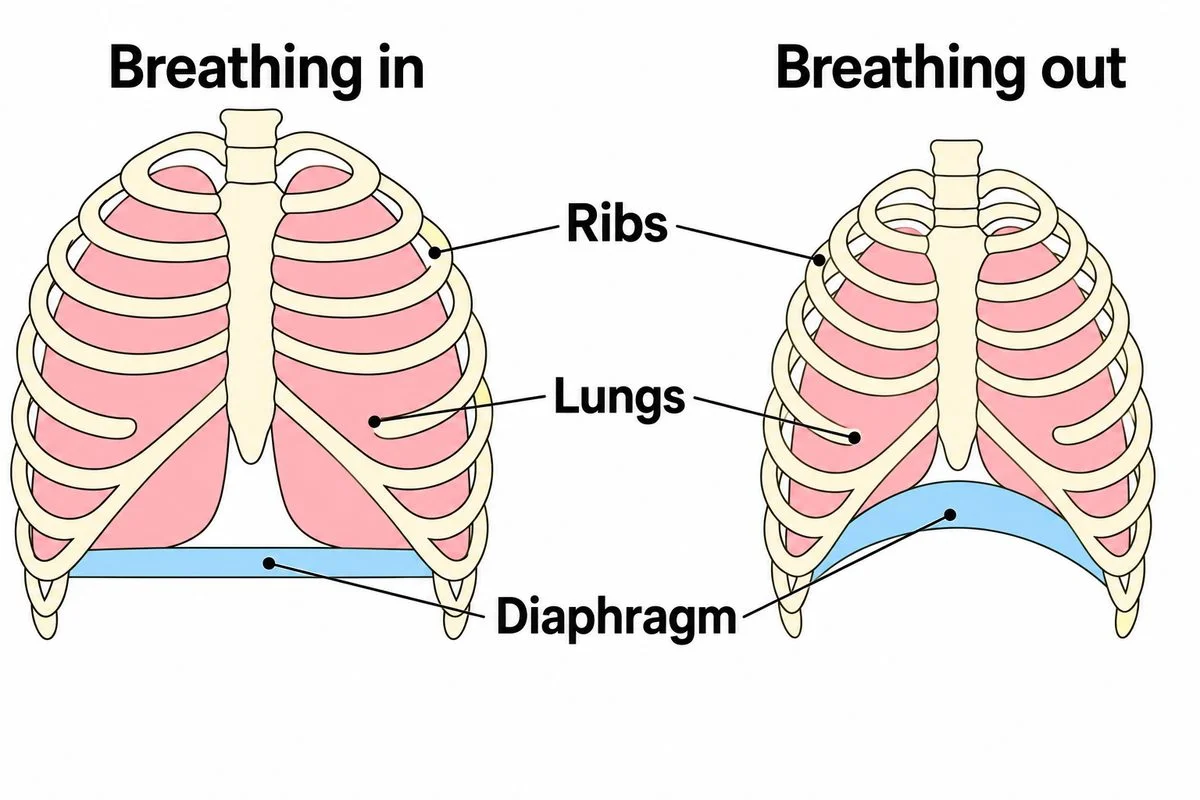
Rib cage, lungs and diaphragm drawn for breathing in and for breathing out.

5. Breathing

Muscles change chest space, moving air into and out of lungs.

Show
Sit comfortably on a chair. Rest your hands lightly on your lower ribs. After predicting, breathe slightly deeper, then out, feeling your ribs move.
Ask
How will your hands move as you breathe in?
Say
As your hands move apart, your ribs enlarge your chest space. As chest space decreases, air leaves.
Used in
Nose hairs and mucus trap dust, protecting the airways.
If your child says…“My diaphragm rises when I breathe in.”
Ask
Would an upward-moving diaphragm leave more room for your expanding lungs?
What’s true
Your diaphragm moves down inside your chest, beyond what your hands can feel.
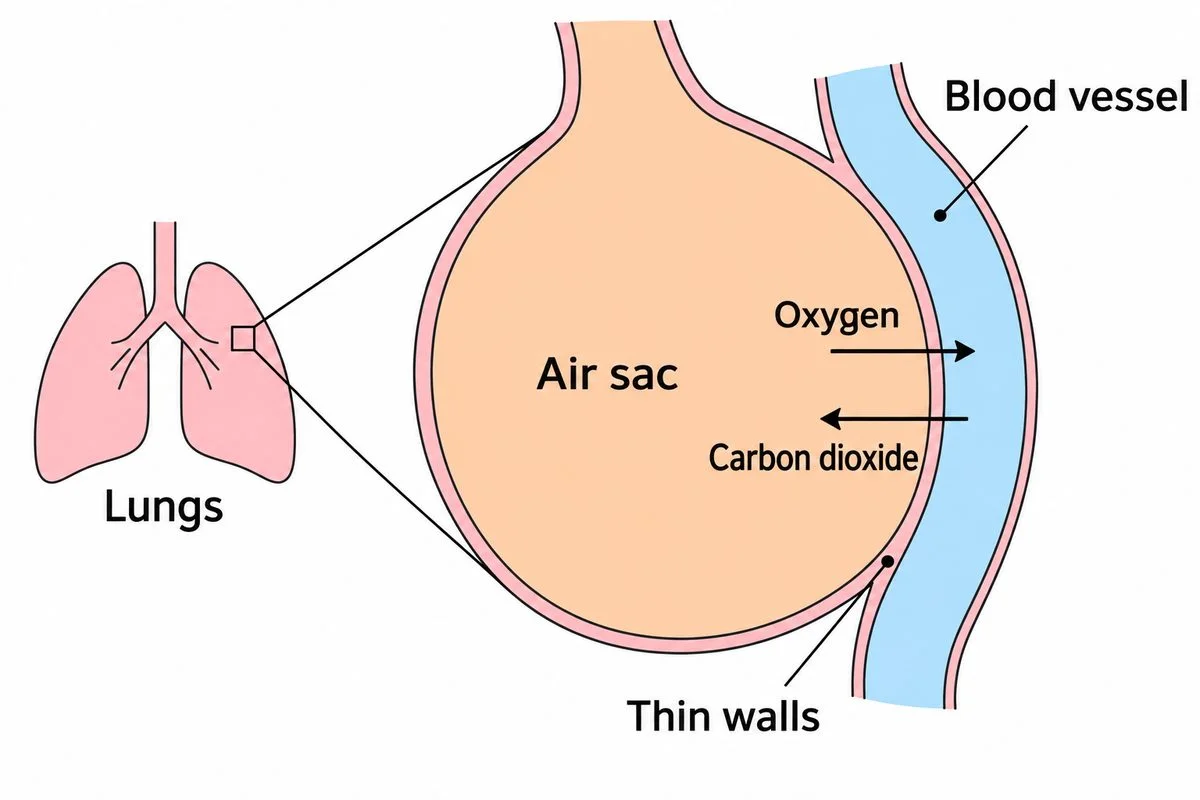
Air sac beside a blood vessel, with oxygen and carbon dioxide crossing in opposite directions.

6. Gas exchange

Oxygen enters blood in the lungs while carbon dioxide leaves it.

Show
Find the lungs and enlarged air sac in the diagram. Locate the blood vessel beside the sac. Follow each gas arrow across the thin walls.
Ask
How will oxygen in this air sac reach the rest of you?
Say
Oxygen crosses the air-sac wall into blood, which carries it around the body. Carbon dioxide crosses into the sac and is breathed out.
Used in
Blood delivers oxygen to cells for releasing food energy.
If your child says…“I breathe out only carbon dioxide.”
Ask
Does taking some oxygen mean taking all of it?
What’s true
Breathed-out air remains a mixture because blood takes up only some oxygen.
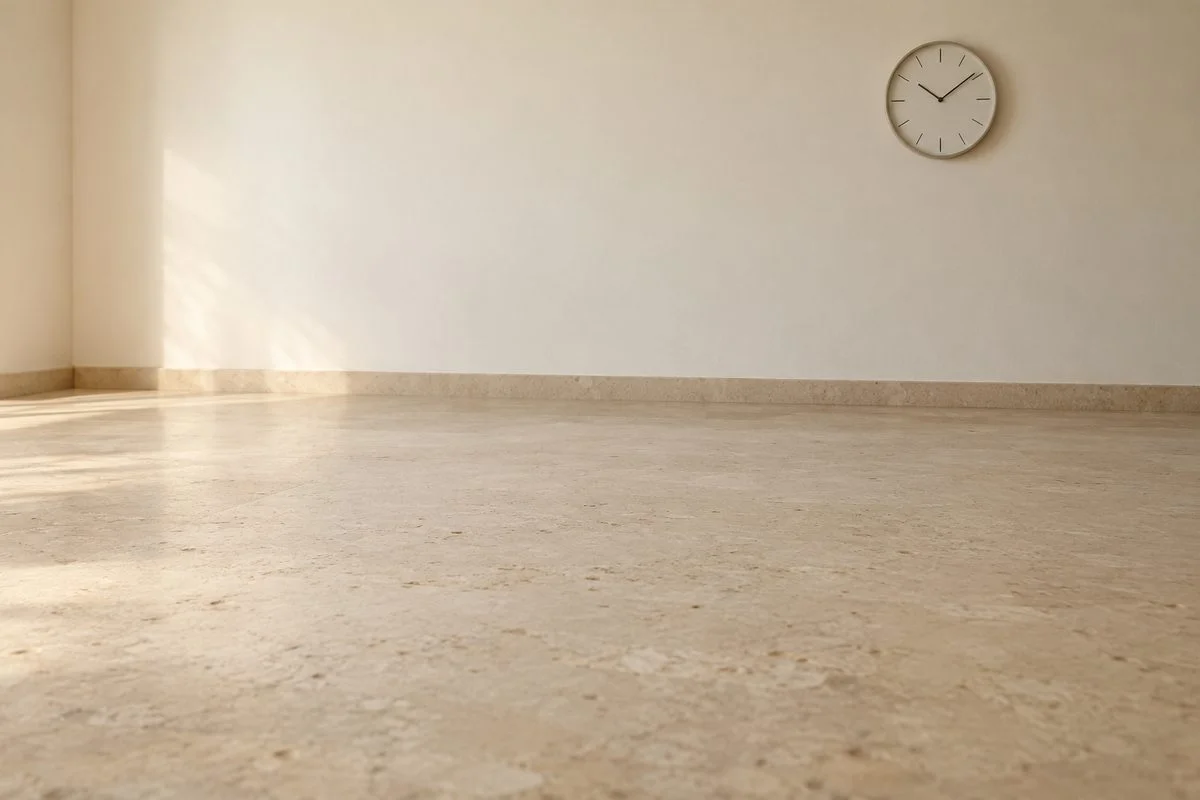
A clear indoor floor space with a wall clock.

7. Respiration

Chemical changes in food release energy inside cells.

Show
Notice your breathing while resting. After predicting, march comfortably in clear floor space. Stop and compare your breathing.
Ask
How might your breathing change after marching?
Say
After moving, you usually breathe faster or deeper. This supports respiration, which releases food energy inside working cells.
Used in
Cells use oxygen to release energy from glucose for activities such as running.
If your child says…“Breathing and respiration are the same.”
Ask
Where must the food’s energy be released?
What’s true
Moving air does not itself release food energy.
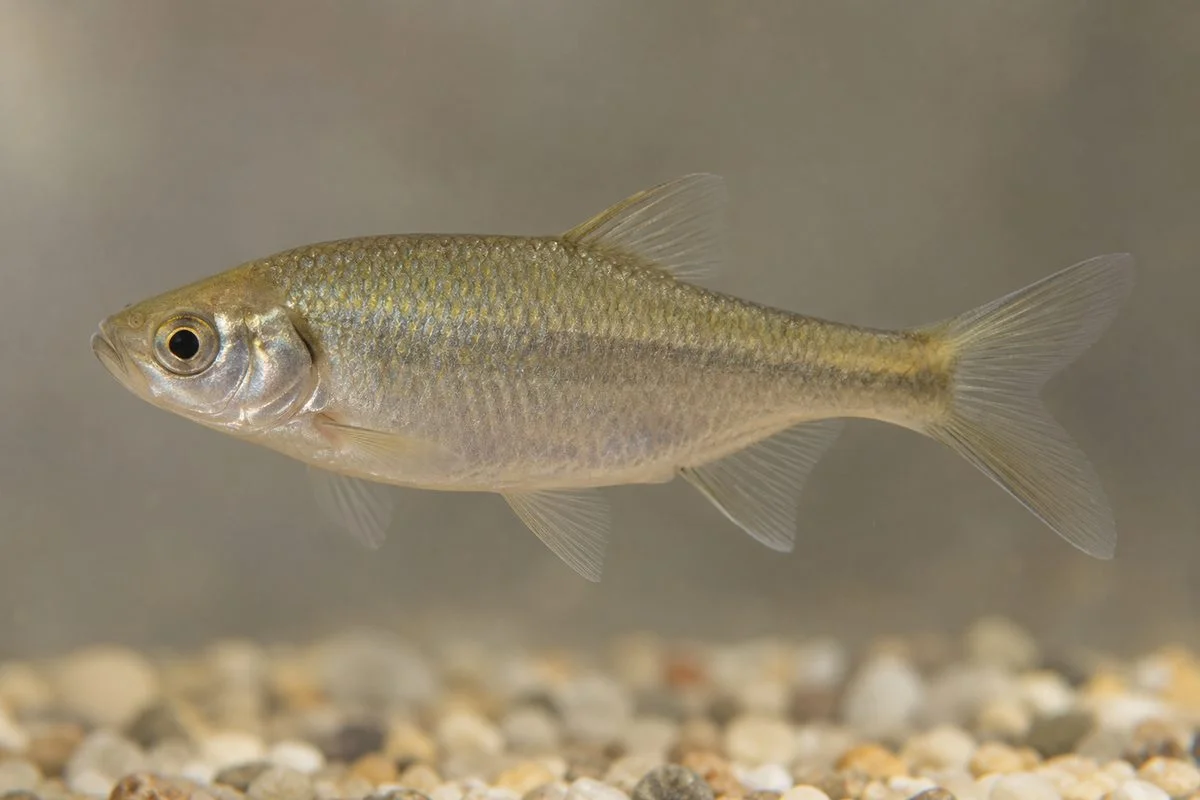
Fish seen from the side in an aquarium, with its head clearly visible.

8. Breathing in other animals

Animals exchange gases through structures including gills, moist skin and lungs.

Show
Watch a fish in an existing aquarium without disturbing it. After predicting, watch its mouth and the covers behind its head.
Ask
What might keep moving while the fish stays underwater?
Say
These movements send water over gills, which take up dissolved oxygen.
Used in
Tadpoles use gills to obtain oxygen while living in water.
If your child says…“Underwater animals need no oxygen.”
Ask
What would gills supply if fish needed no oxygen?
What’s true
Animals need oxygen whether they use gills, lungs or moist skin.

A real problem

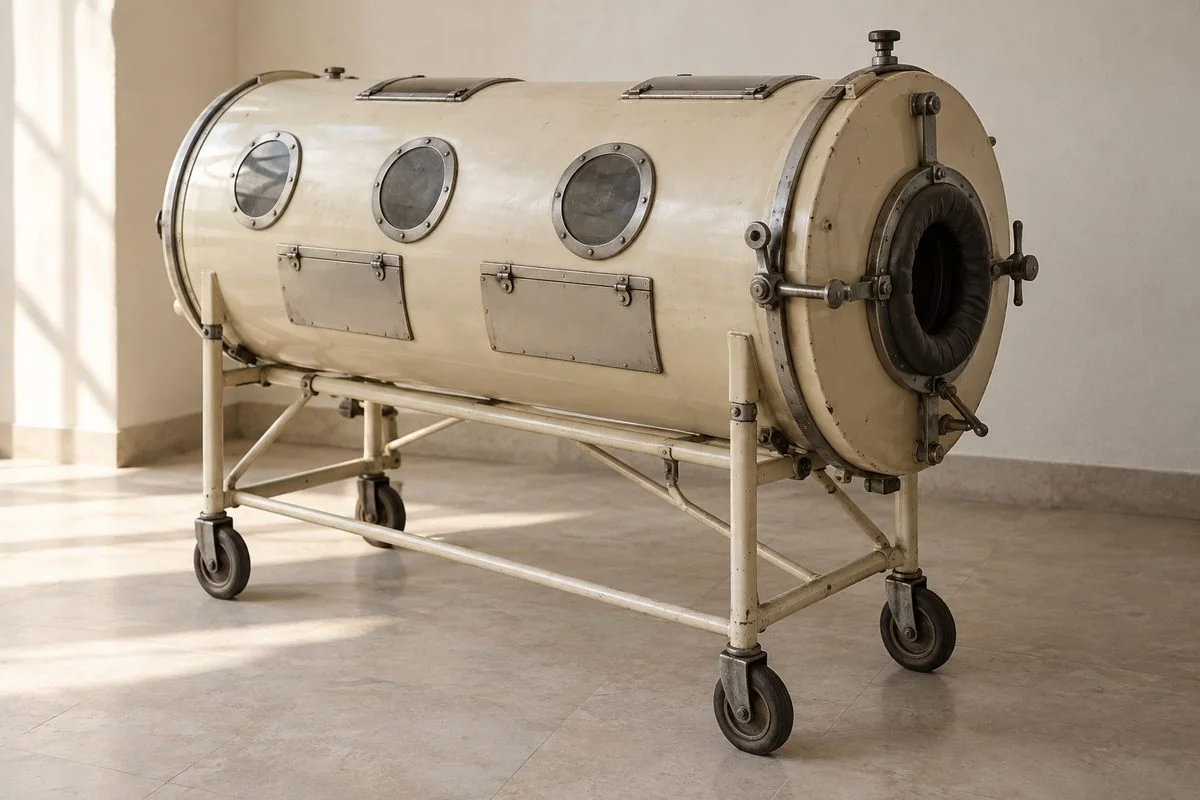
The Drinker iron lung helped patients breathe.

It was first used in 1928.

It helped patients whose breathing muscles could not function normally.

Changing air pressure around the body inflated and deflated the lungs, enabling breathing.

Science Museum GroupUniversity of Colorado Anschutz

An empty iron lung: a long sealed metal cylinder on a wheeled frame.

Concept Lab · Common misconception

The tempting mistake in Life Processes in Animals

Open standalone misconception page →

Is the stomach where digestion finishes?

Wrong

All digestion is finished in the stomach.

Why it feels right. The stomach is the organ people associate most with digestion.

Right

Digestion happens in several organs and is completed in the small intestine.

Worked example

Food path
Mouth: starch digestion begins→Stomach→Small intestine: enzymes continue digestion
The digestive pathway continues beyond the stomach.
  1. Starch digestion begins in the mouth.
  2. Food then passes through the stomach to the small intestine, where enzymes continue digestion.

Ask your child eight quick questions.

One per step. The answer and the reason are given.

  1. Where does chapati’s starch first start changing into sugars?

    In the mouth. Saliva starts digestion in the mouth.

  2. Where does most digested sugar pass into your blood?

    Through the small intestine. Most nutrient absorption happens there, rather than in the stomach.

  3. A cow chews while resting after grazing. Where has this grass usually been already?

    In its stomach. Cud is previously swallowed food brought back for further chewing.

  4. Where does a hen grind grain?

    In its gizzard. The muscular gizzard squeezes food; the beak does not chew it.

  5. Which way does your diaphragm move when you breathe in normally?

    Down. This increases chest space, allowing air to enter the lungs.

  6. Which gas used by your cells remains in breathed-out air?

    Oxygen. The body takes up only some of the oxygen breathed in.

  7. Your cells release energy from glucose. What is this process called?

    Respiration. Respiration changes food substances; breathing only moves air.

  8. What do a fish’s gills take from the surrounding water?

    Dissolved oxygen. Fish need oxygen even though they live underwater.

15 more questions with answers, 2 with pictures