Skip to content

Teach The World of Metals and Non-metals in eight steps.

For each idea: show it, ask before you tell, then say one line.

Gather foil, loose copper wire, wood, a coin, steel spoon, wooden-handled pan, clean uncoated iron nails, jars, cooking oil and water.

An adult handles sharp wire ends and nails.

Common misconceptions & worked visual for this chapter · 15 practice questions with answers

How to teach it

Properties we can compare

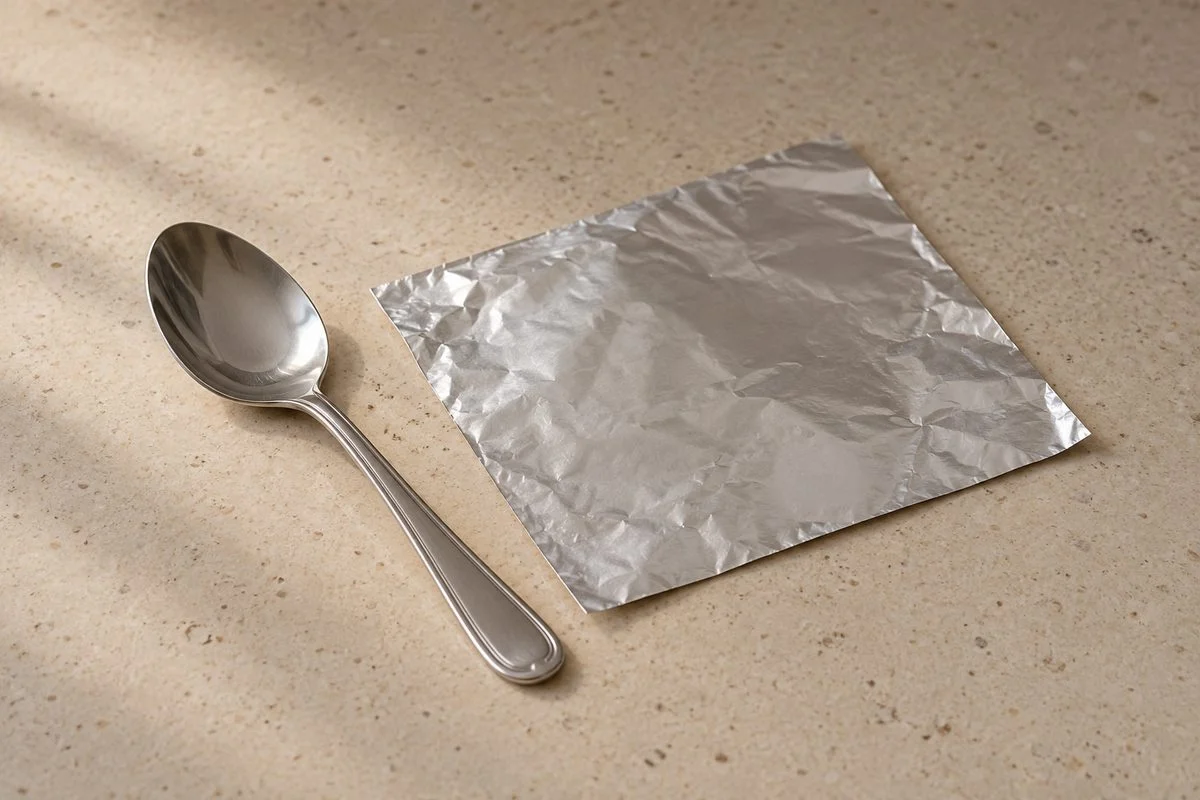
Steel spoon beside a sheet of aluminium foil.

1. Lustre and hardness

Metals often shine, but their hardness and state vary.

Show
Set a steel spoon beside aluminium foil. Compare their shine.
Ask
Will both objects look shiny before polishing?
Say
Both will usually look shiny.
Used in
Gold’s shine makes ornaments attractive.
If your child says…“Every metal is hard and solid.”
Ask
How would soft sodium fit your rule?
What’s true
Several properties together identify metals; hardness alone cannot.
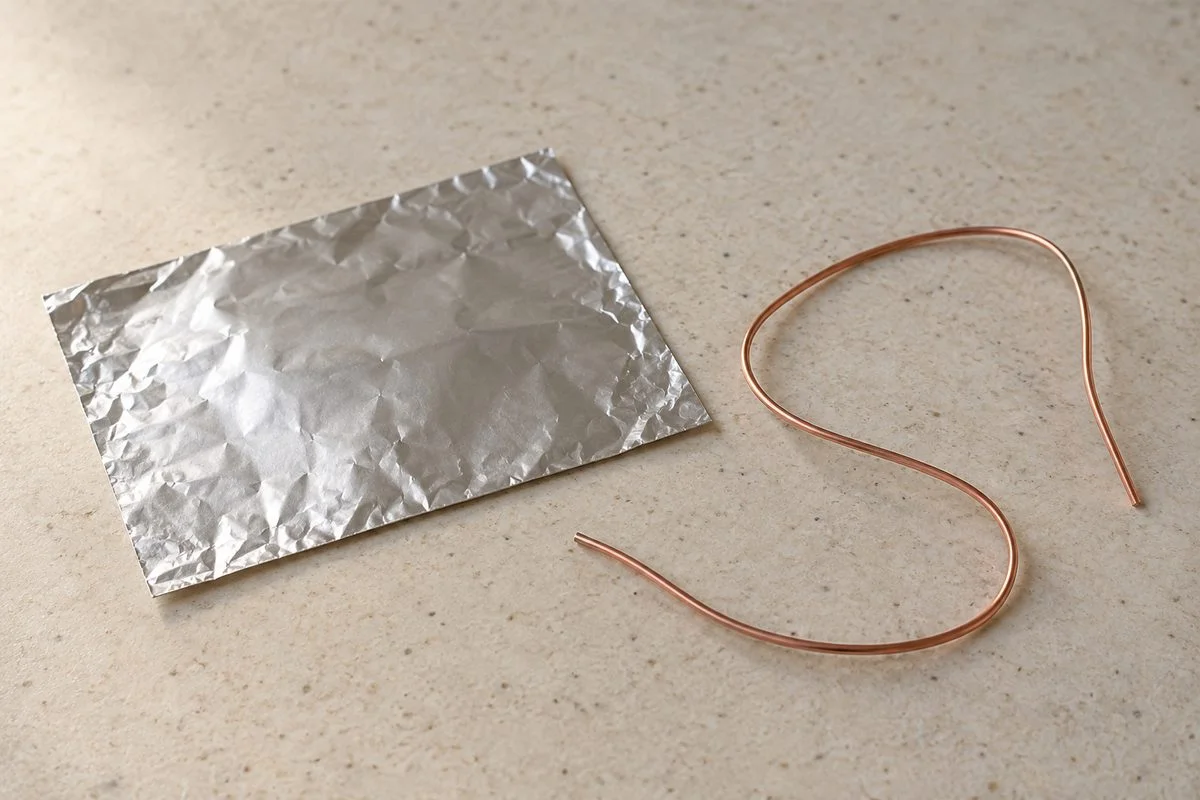
Aluminium foil beside a loose length of copper wire.

2. Malleability and ductility

Malleable materials flatten into sheets, while ductile materials stretch into wires.

Show
Lay aluminium foil beside copper wire.
Ask
Could brittle coal be worked into either of these shapes?
Say
Brittle coal breaks instead.
Used in
Aluminium’s thin, foldable sheets make cheap food wrapping.
If your child says…“Making sheets and wires shows the same property.”
Ask
How does the foil’s shape differ from the wire’s?
What’s true
Sheets show malleability; wires show ductility.
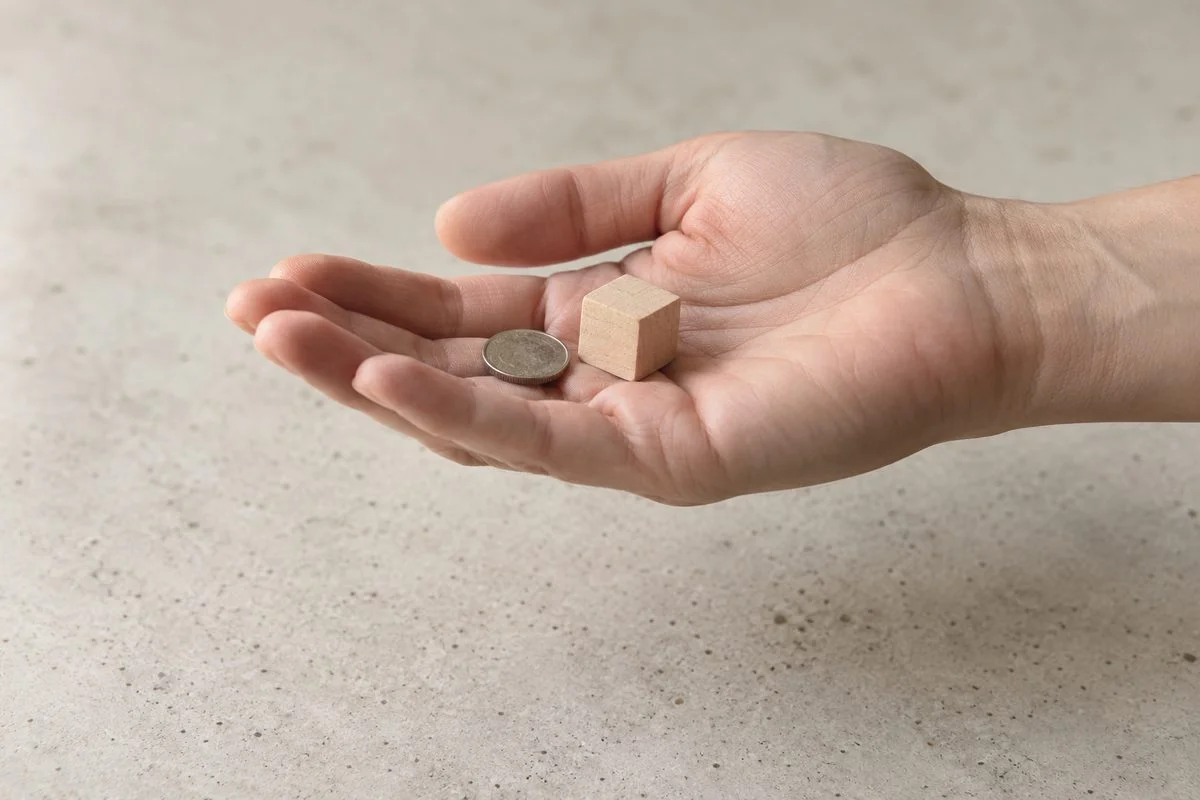
One hand holds a coin and wooden block just above a tabletop.

3. Sonority

A material gives a ringing sound when struck.

Show
Hold a coin and wood just above a hard tabletop. Drop them separately after predicting.
Ask
Will both hard objects ring?
Say
The coin’s ring shows sonority. The wood makes a dull sound.
Used in
Metal gives bells their ringing sound.
If your child says…“Anything hard will ring.”
Ask
The wood is hard too, so why does it sound different?
What’s true
Hardness alone does not produce a ring.
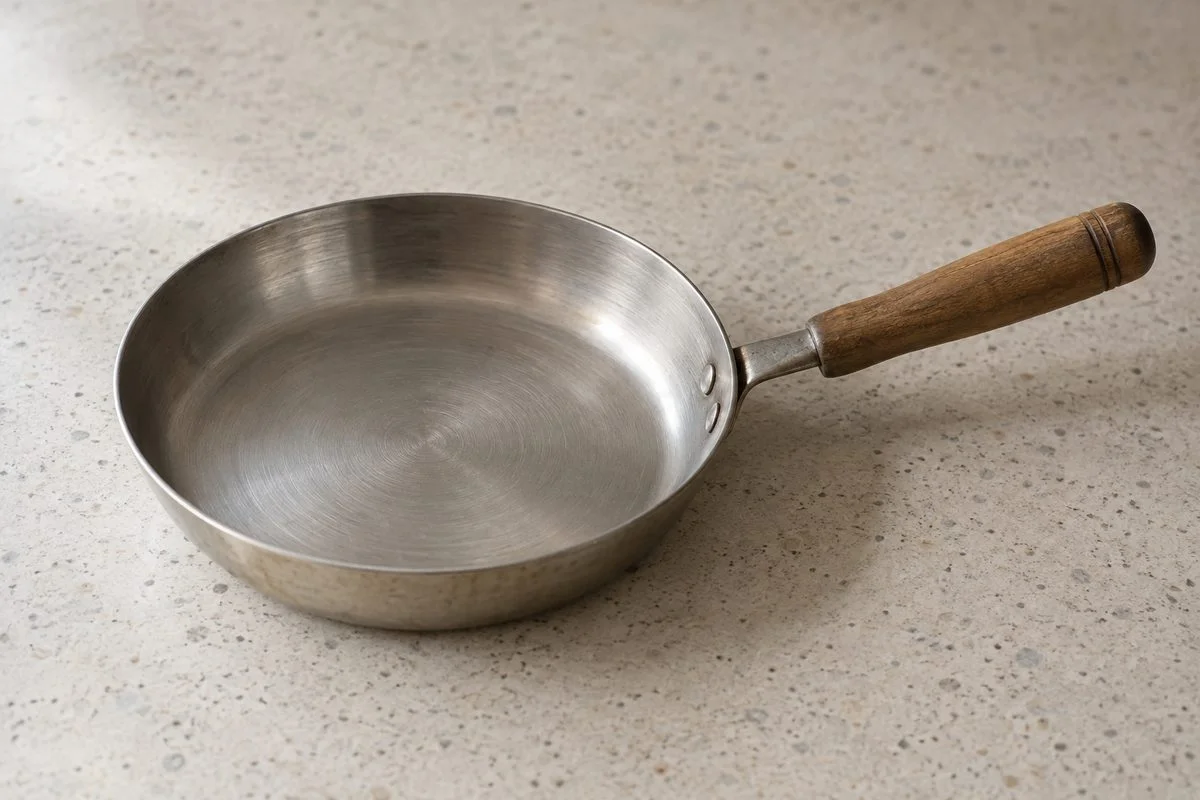
Unheated metal pan with its bare metal body and wooden handle visible.

4. Conduction of heat

Heat travels through some materials more readily than others.

Show
Use a room cooler than your hands. Leave the pan away from sunlight and cooking until it reaches room temperature. After predicting, briefly touch its metal body and wooden handle.
Ask
Which part will feel cooler: the metal body or the wooden handle?
Say
The metal feels cooler because it carries heat away from your hand faster than wood.
Used in
Copper vessels pass heat readily to water being boiled.
If your child says…“Metal is naturally hotter than wood.”
Ask
If metal is naturally hotter, why does it feel cooler here?
What’s true
Both parts reach room temperature, but metal carries heat away from your hand faster.
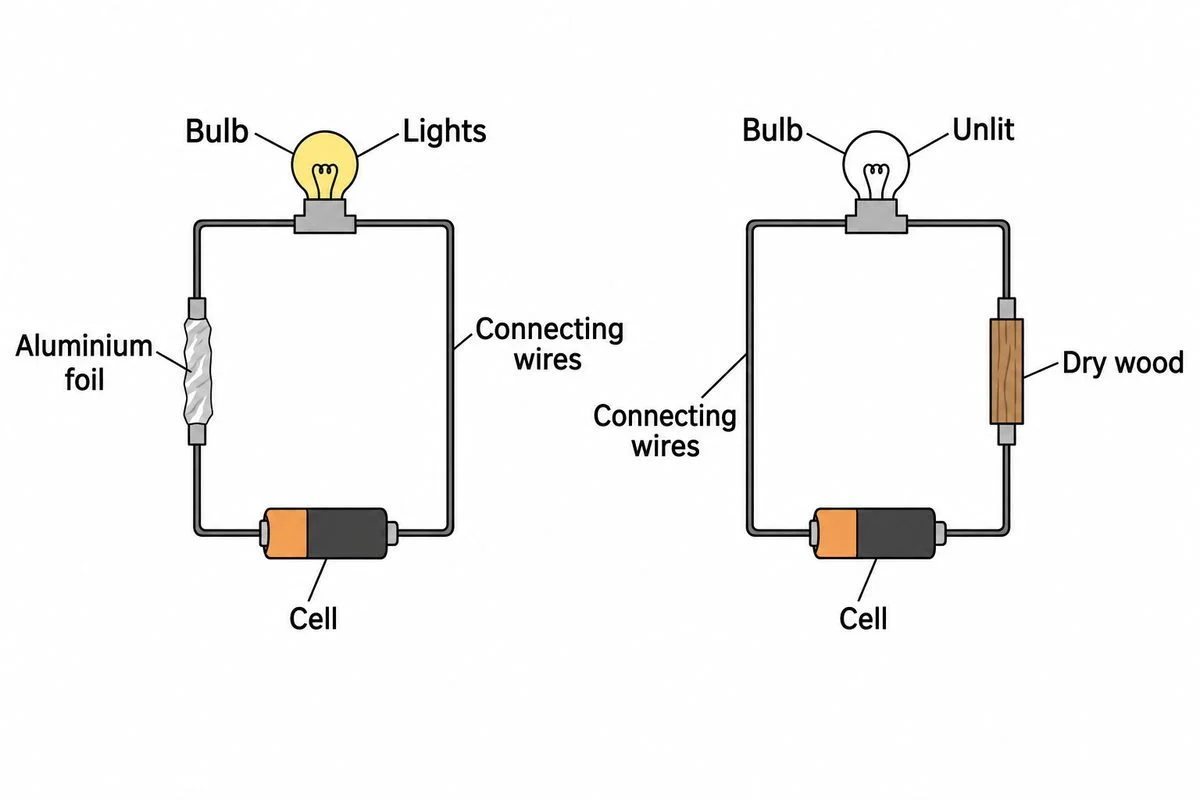
Matching circuits show a lit bulb with aluminium foil and an unlit bulb with wood.

5. Conduction of electricity

Some materials let electric current pass through a circuit.

Show
Look at the diagram. Trace each circuit from its cell, through the test material and bulb, back to the cell.
Ask
Which material would light the bulb if we put it into another matching circuit?
Say
Aluminium foil carries current, so its bulb lights. Dry wood conducts too poorly to light its bulb.
Used in
Plastic screwdriver handles reduce the risk of electric shock because plastic conducts poorly.
If your child says…“Only wire shapes carry electricity.”
Ask
Did the flat foil carry current even though it was not shaped like wire?
What’s true
The material determines conduction, rather than its shape.

Changes involving air and water

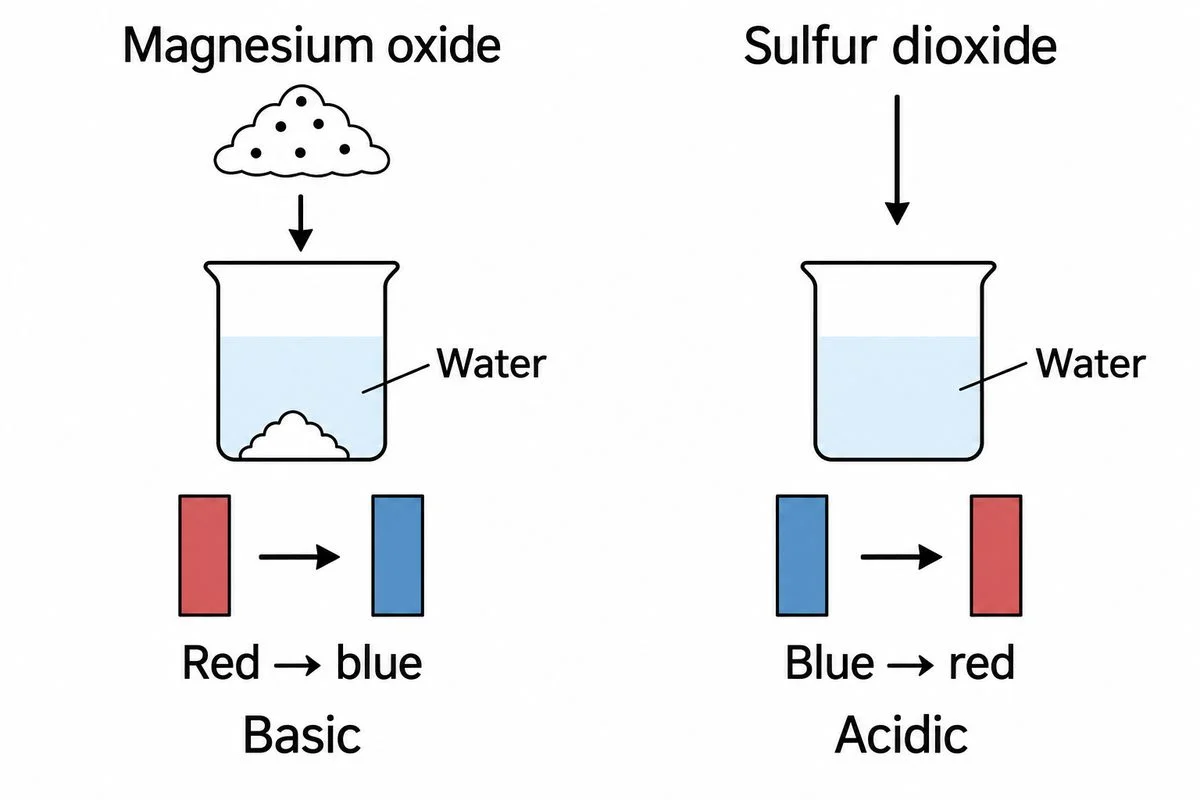
Magnesium oxide and sulfur dioxide in water produce opposite litmus colour changes.

6. Metal and non-metal oxides

Metal oxides are generally basic, while non-metal oxides are generally acidic.

Show
Look at the diagram: magnesium oxide is left, sulfur dioxide right. Follow each into water, then compare the litmus changes below.
Ask
Which mixture would turn a fresh red litmus strip blue?
Say
In water, magnesium oxide turns red litmus blue, while sulfur dioxide turns blue litmus red.
Used in
Magnesium oxide is used in some antacids to neutralise stomach acid.
If your child says…“Non-metal oxides are basic too.”
Ask
What does blue litmus turning red tell us?
What’s true
Sulfur dioxide in water forms an acid.
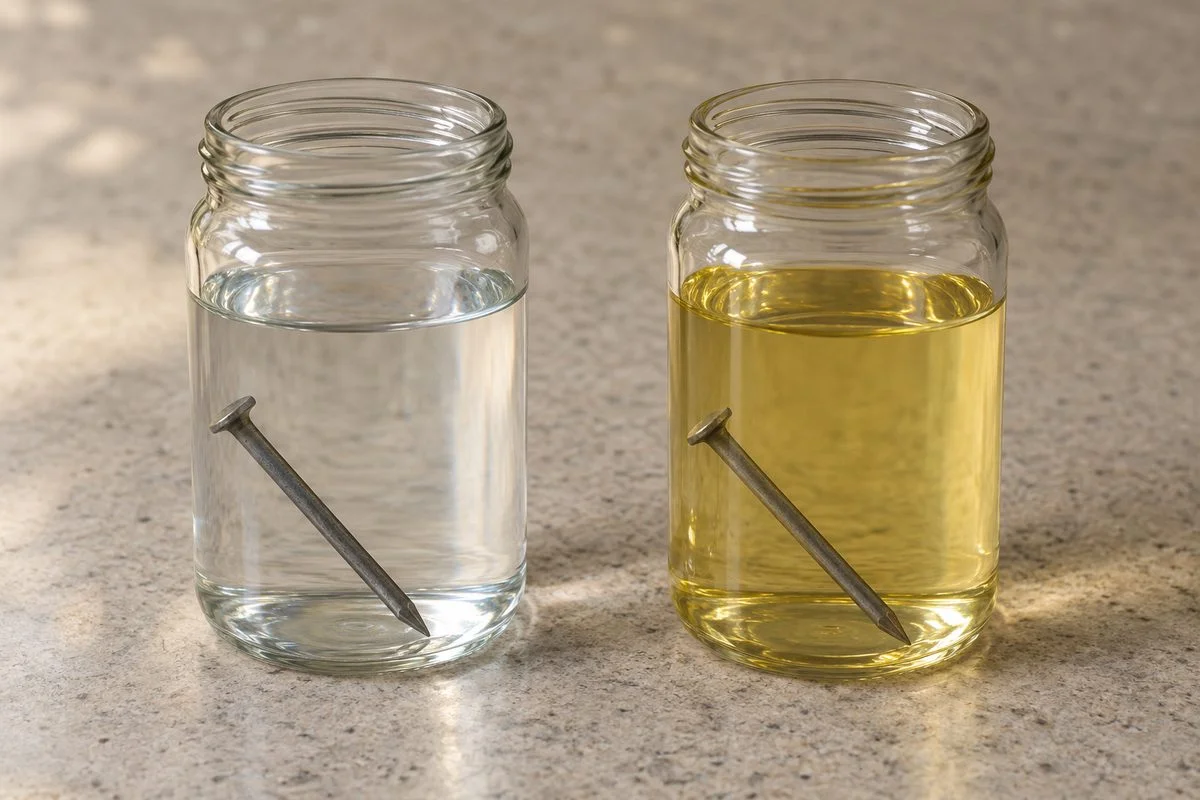
Clean iron nails in jars, one completely underwater and one completely covered with oil.

7. Rusting and its prevention

Iron develops rust when both air and water reach it.

Show
An adult puts clean, dry, uncoated iron nails in separate jars. Cover one completely with water and the other completely with oil. Compare them over the following days.
Ask
Which nail will develop rust?
Say
The nail in water will rust: it has both water and dissolved air.
Used in
Paint coatings slow rusting by reducing iron’s contact with air and water.
If your child says…“Any liquid keeps rust away.”
Ask
What else reaches the nail through ordinary water?
What’s true
Water can supply both conditions needed for rusting.

Elements, mixtures and uses

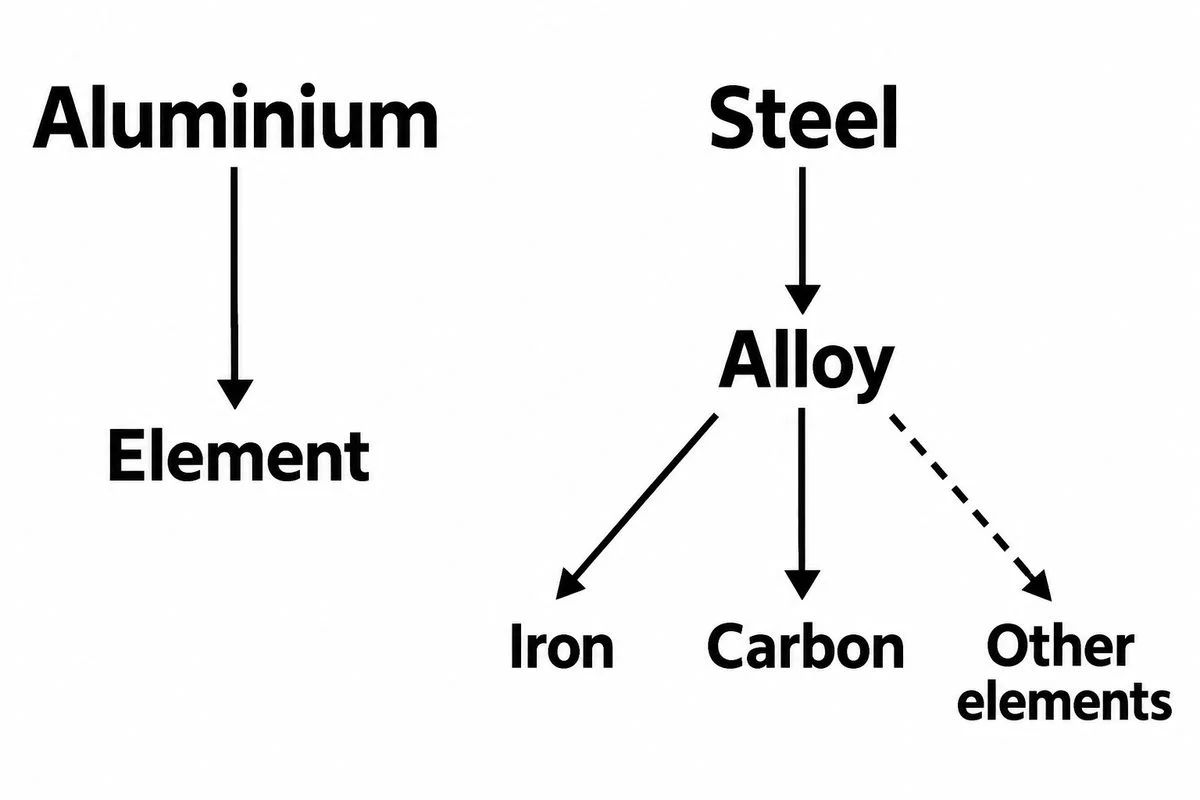
Aluminium is an element; steel contains iron, carbon and sometimes other elements.

8. Elements and alloys

Chemical reactions cannot break elements into simpler substances. Alloys are mixtures.

Show
Look at the diagram. Follow aluminium to element, then steel to alloy. Follow steel’s branches to its ingredients.
Ask
Looking at steel’s ingredients, would you expect its properties to match pure iron’s?
Say
Steel mixes iron with carbon. These additions change iron’s properties.
Used in
Strong steel wire ropes support bridges and help cranes lift loads.
If your child says…“Steel is just another name for iron.”
Ask
If steel contains carbon too, can it be pure iron?
What’s true
Steel contains a metal, iron, and a non-metal, carbon.

A real problem

Davy’s safety lamp used metal gauze to absorb heat.

Humphry Davy invented the lamp in 1815.

Miners’ exposed flames could ignite firedamp, causing deadly explosions.

The gauze absorbed heat from the flame while its openings let light escape.

Science Museum GroupRoyal Institution

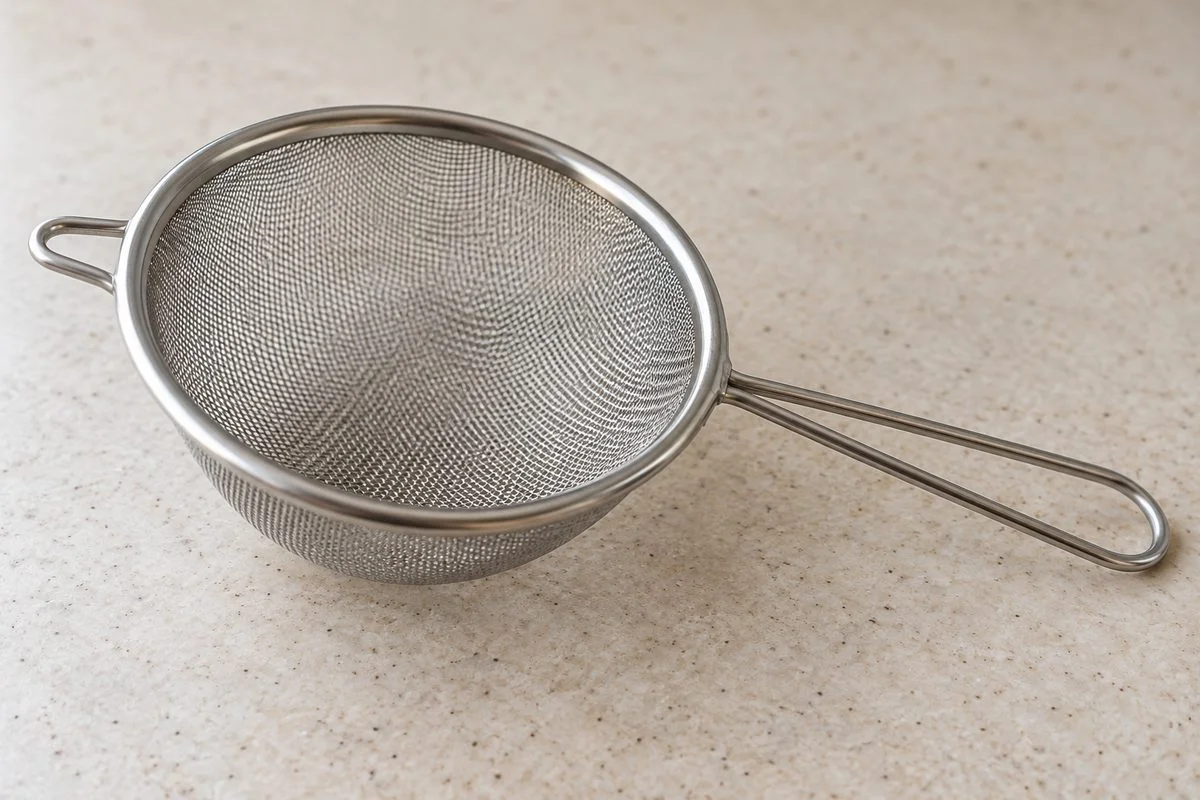
Close view of the fine metal wires in a kitchen sieve.

Concept Lab · Common misconception

The tempting mistake in The World of Metals and Non-metals

Open standalone misconception page →

Is a shiny substance always a metal?

Wrong

Shiny iodine must be a metal.

Why it feels right. Shine is a familiar property of metals.

Right

Use several properties to classify a substance.

Worked example

Iodine crystal
Shiny surface→Non-metal
Iodine is a counterexample. Its crystals are shiny, and it belongs to the non-metals.
  1. Iodine crystals can look shiny even though iodine is a non-metal.
  2. Surface appearance alone gives an incomplete classification.

Ask your child eight quick questions.

One per step. The answer and the reason are given.

  1. Which of these are metals: soft sodium and liquid mercury?

    Both. A metal need not be hard or solid.

  2. Which property lets metal become sheets, and which lets it be drawn into wires?

    Malleability, then ductility. Foil shows malleability, while wire shows ductility.

  3. Does being hard guarantee that an object will ring?

    No. Hard wood gives a dull sound.

  4. Why does the metal body feel cooler than the wooden handle?

    Metal carries heat away faster. Heat leaves your hand faster through metal than through wood.

  5. Must aluminium be shaped like wire to carry current?

    No. Flat aluminium foil carries current too.

  6. What colour will blue litmus become in sulfur dioxide dissolved in water?

    Red. The solution is acidic, so blue litmus turns red.

  7. Why can iron rust even when fully submerged in ordinary water?

    The water contains dissolved air. Both water and air can reach the submerged iron.

  8. Is steel pure iron or a mixture?

    A mixture. Steel is a mixture containing iron and carbon.

15 more questions with answers, 1 with pictures