Skip to content

Teach Human Health and Disease in eight steps.

For each idea: show it, ask before you tell, then say one line.

Gather a drinking-water container, cup and unused dressing.

Common misconceptions & worked visual for this chapter · 15 practice questions with answers

How to teach it

Health and infections

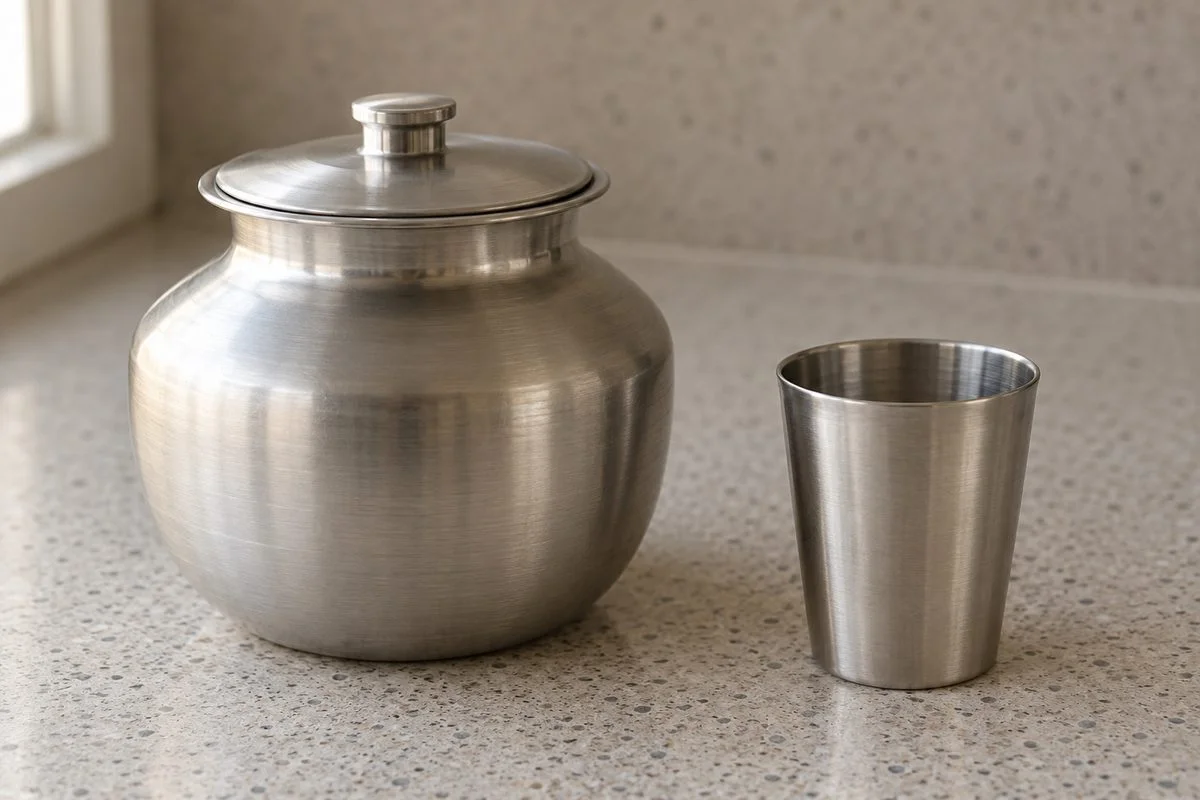
Covered steel drinking-water container beside a clean cup.

1. Health and common diseases in humans

Health includes physical, mental and social well-being.

Show
Inspect your water container and cup. Trace the water from its supply through storage to serving.
Ask
If this container stayed uncovered, how could its water become contaminated before serving?
Say
Dust or insects could carry germs into water while the container stays uncovered.
Used in
Good nutrition supplies essential nutrients, helping prevent deficiency diseases.
If your child says…“Every disease comes from germs.”
Ask
How would killing germs replace a missing nutrient?
What’s true
Genes, nutrition and surroundings also affect health; illness may begin before visible symptoms.
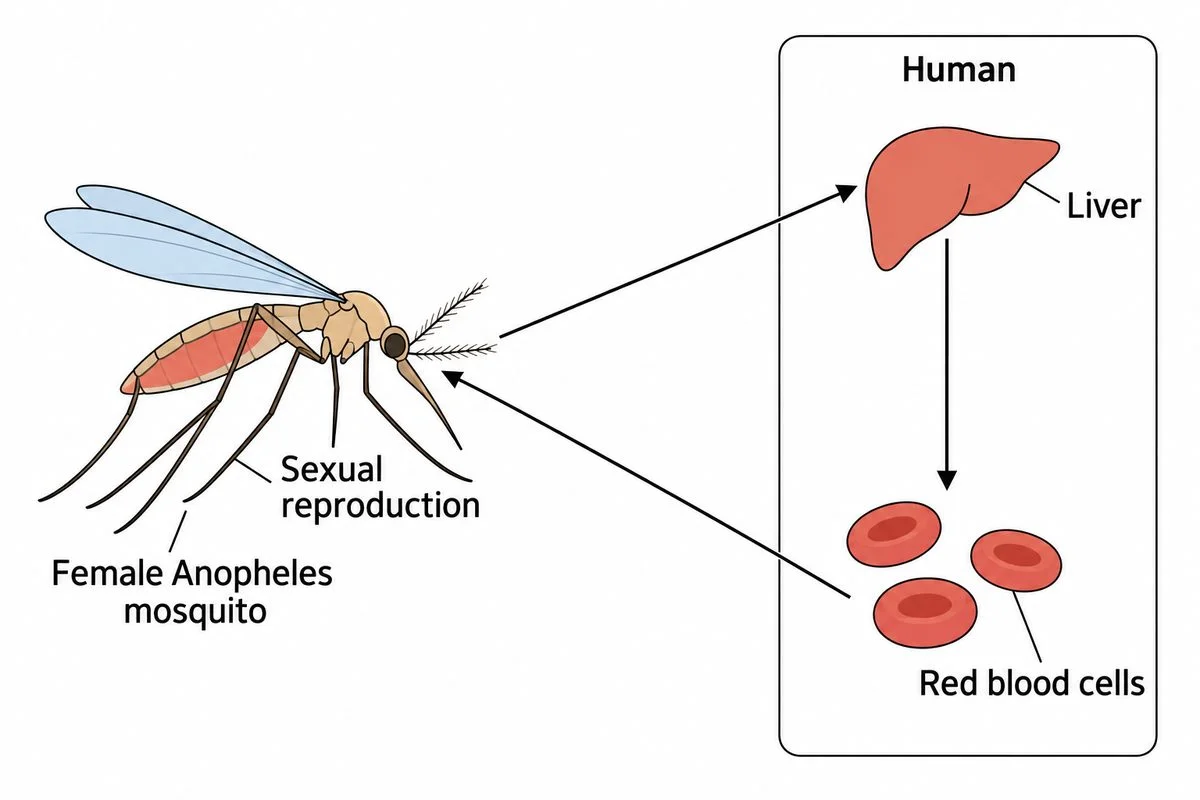
Malaria parasite routes between a mosquito, human liver and red blood cells.

2. Malaria

A parasite passes between humans and infected female mosquitoes.

Show
Find the liver, red blood cells and female Anopheles mosquito in the diagram. Follow the arrows between them.
Ask
Which transfer would sleeping under a mosquito net reduce?
Say
Nets reduce bites, so they reduce parasite transfer both to humans and to mosquitoes. The parasite reaches the liver, then red blood cells.
Used in
Preventing mosquito breeding reduces the insects available to transmit malaria.
If your child says…“The parasite completes its whole life inside us.”
Ask
Where does the parasite reproduce sexually?
What’s true
The parasite needs both hosts and reproduces sexually inside female Anopheles mosquitoes.

Immune defences

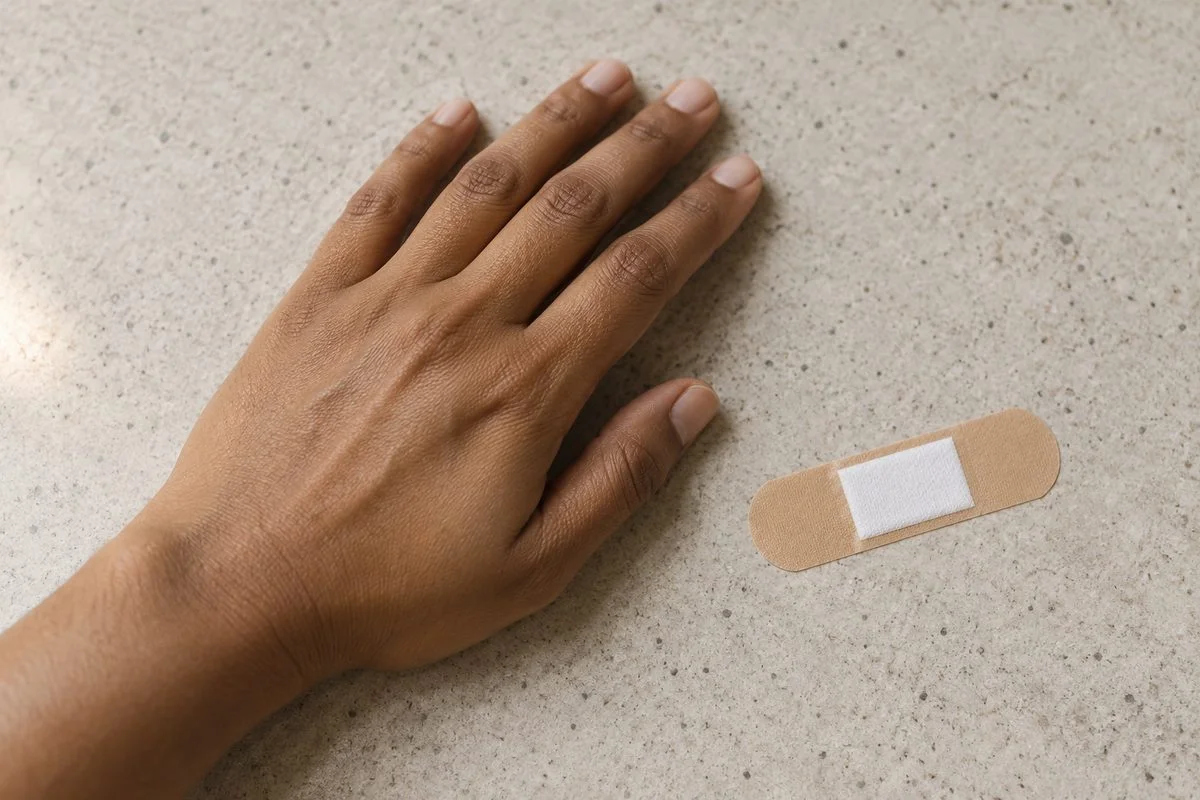
Intact skin on one hand beside an unused dressing with its protective pad exposed.

3. Innate immunity

Built-in defences act broadly without remembering particular germs.

Show
Look at intact skin on a hand. Inspect an unused dressing's protective pad.
Ask
What becomes easier for germs when skin is cut?
Say
Entry becomes easier for germs when skin is cut; intact skin reduces entry.
Used in
Mucus traps microbes in airways, helping protect the lungs.
If your child says…“Skin is our only built-in defence.”
Ask
What protects against germs that reach the stomach?
What’s true
Stomach acid kills many swallowed germs, while mucus and protective cells also provide built-in defence.
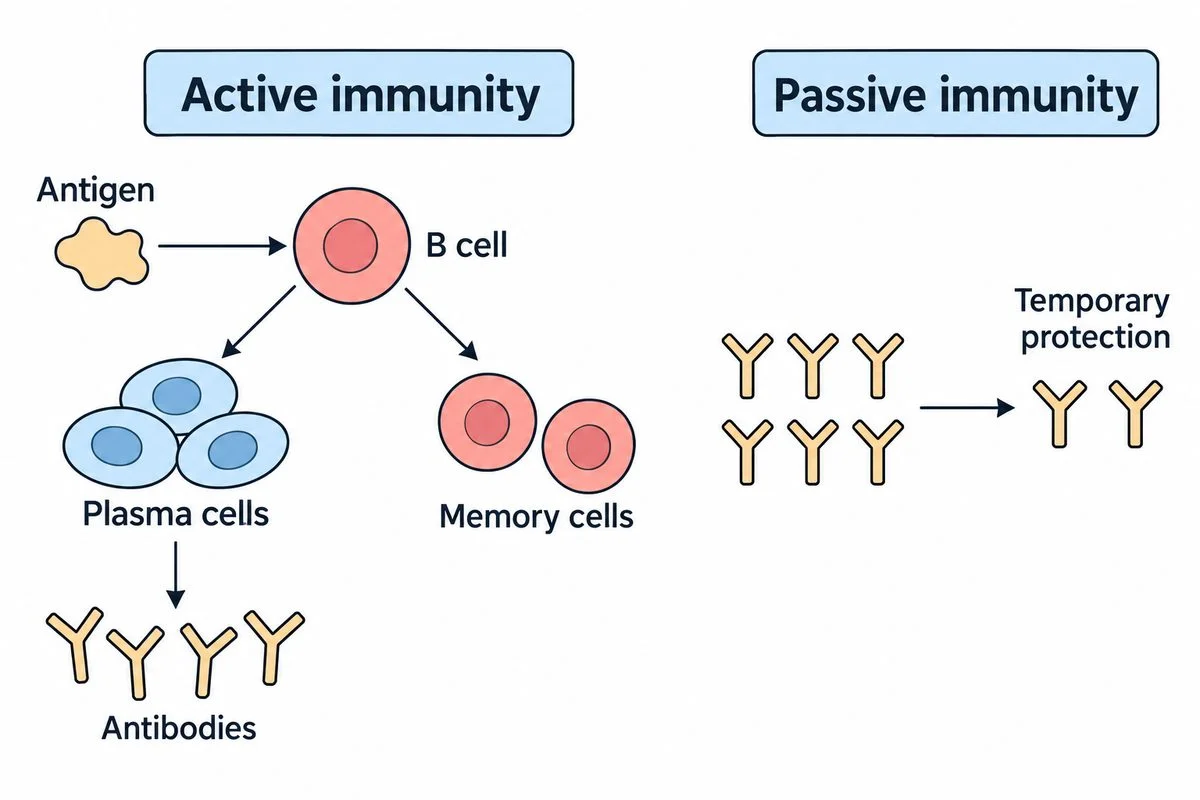
Active immunity produces antibodies and memory cells; passive immunity supplies temporary antibodies.

4. Acquired immunity, active and passive immunity

Specific defences can remember; borrowed antibodies provide temporary protection.

Show
Follow the diagram's B-cell branches to plasma cells and memory cells. Find the separate antibody route.
Ask
Which route could protect immediately without creating memory?
Say
Transferred antibodies act promptly without creating memory.
Used in
Ready-made antibodies provide rapid, temporary protection.
If your child says…“Vaccines just supply antibodies.”
Ask
Which route leaves cells ready to respond when that antigen returns?
What’s true
Plasma cells formed from B cells produce antibodies; transferred antibodies create no immune memory.
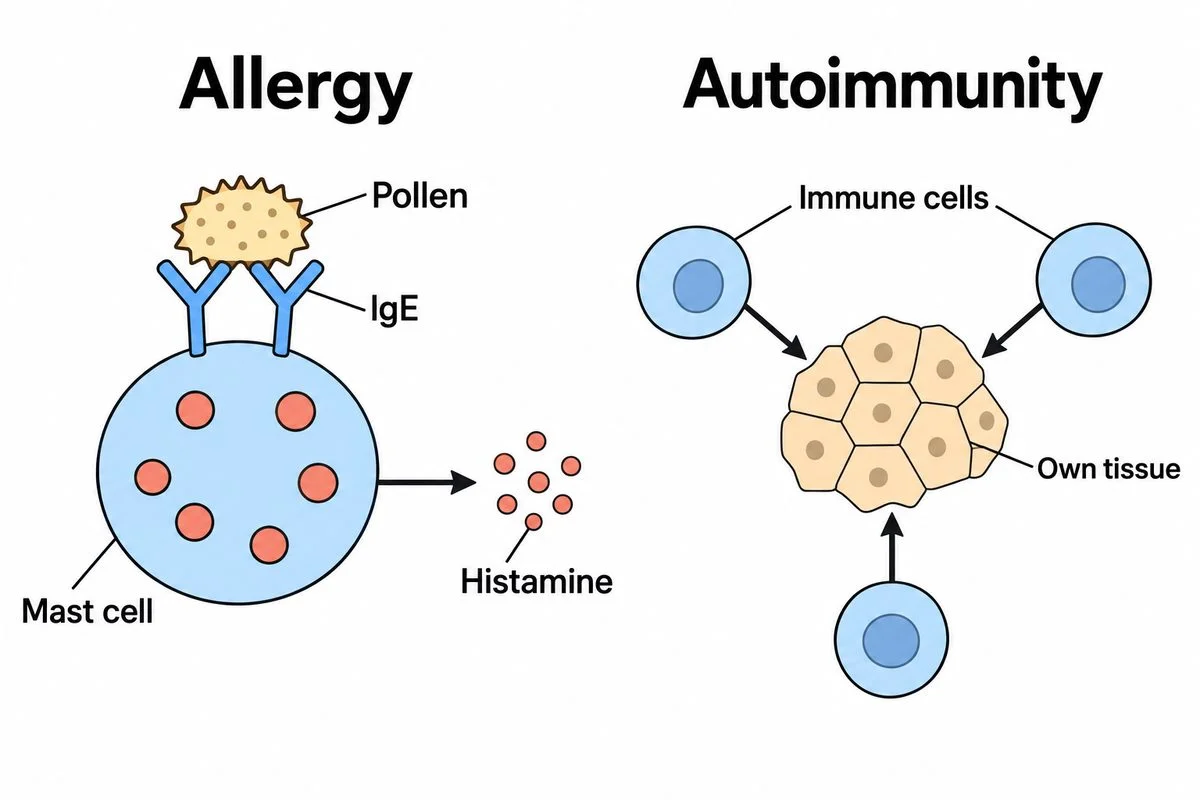
Pollen triggers histamine release on the left; immune cells attack own tissue on the right.

5. Allergies and auto immunity

Defences can overreact to harmless substances or attack our tissues.

Show
In the diagram, follow pollen to IgE already attached to the mast cell, then released histamine. On the right, follow the immune cells' attack arrows towards their own tissue.
Ask
How could either response shown cause illness without a harmful germ?
Say
Normally harmless pollen can trigger histamine release from sensitised mast cells, causing allergy symptoms. In autoimmunity, immune cells attack your own tissues.
Used in
Identifying an allergy trigger helps reduce exposure and symptoms.
If your child says…“Pollen causes allergies, so it must be a germ.”
Ask
Does a strong defence reaction prove that its trigger causes infection?
What’s true
An allergy can be an excessive response to a normally harmless substance.
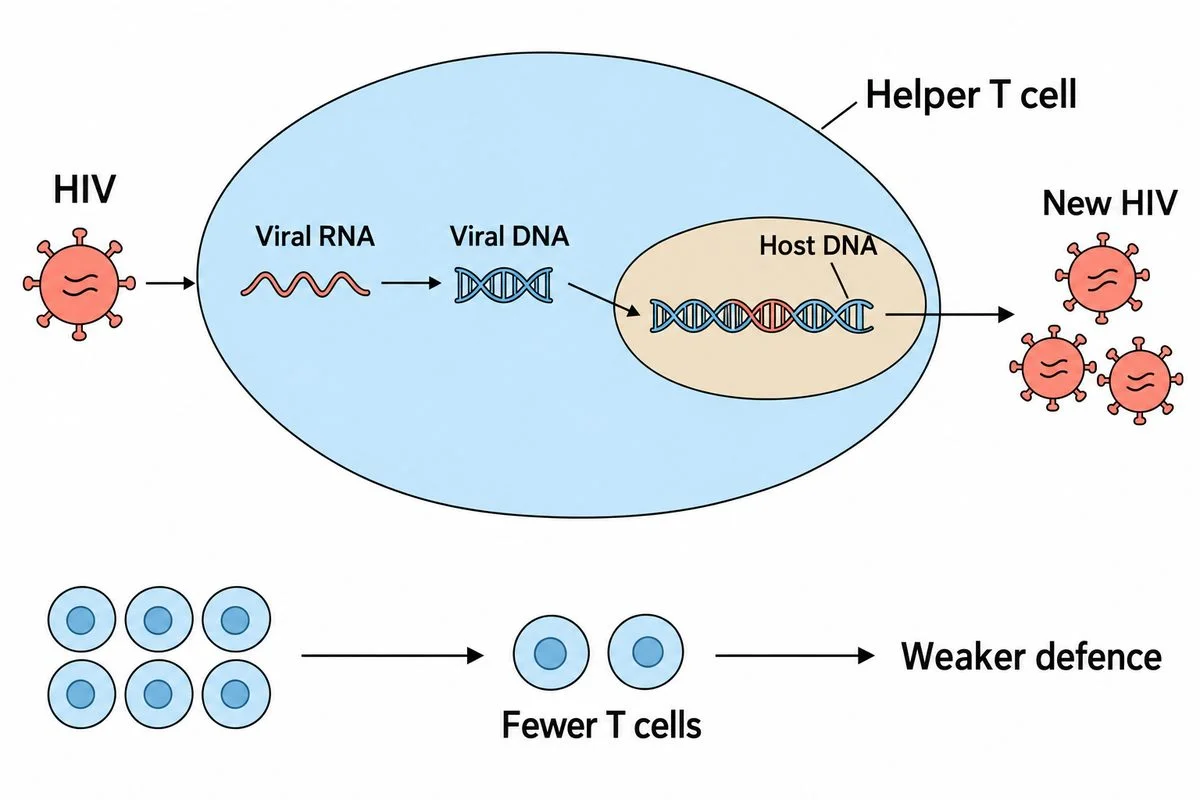
HIV replication inside a helper T cell, with declining cell numbers weakening defence.

6. AIDS

Advanced HIV infection can severely weaken immune defences.

Show
Follow HIV into the diagram's helper T cell. Trace viral RNA to viral DNA, into host DNA, then towards new viruses. Below, follow fewer T cells towards weaker defence.
Ask
How could this virus make someone vulnerable to many other infections?
Say
HIV uses helper T cells to make new viruses. Over time, losing these cells weakens defence against many infections.
Used in
Testing donated blood for HIV reduces transmission through transfusions.
If your child says…“Sharing lunch spreads HIV.”
Ask
Which of those transmission routes occurs simply through eating together?
What’s true
HIV can pass through infected blood, sexual contact or mother-to-child transmission, not ordinary shared meals.

Cancer and dependence

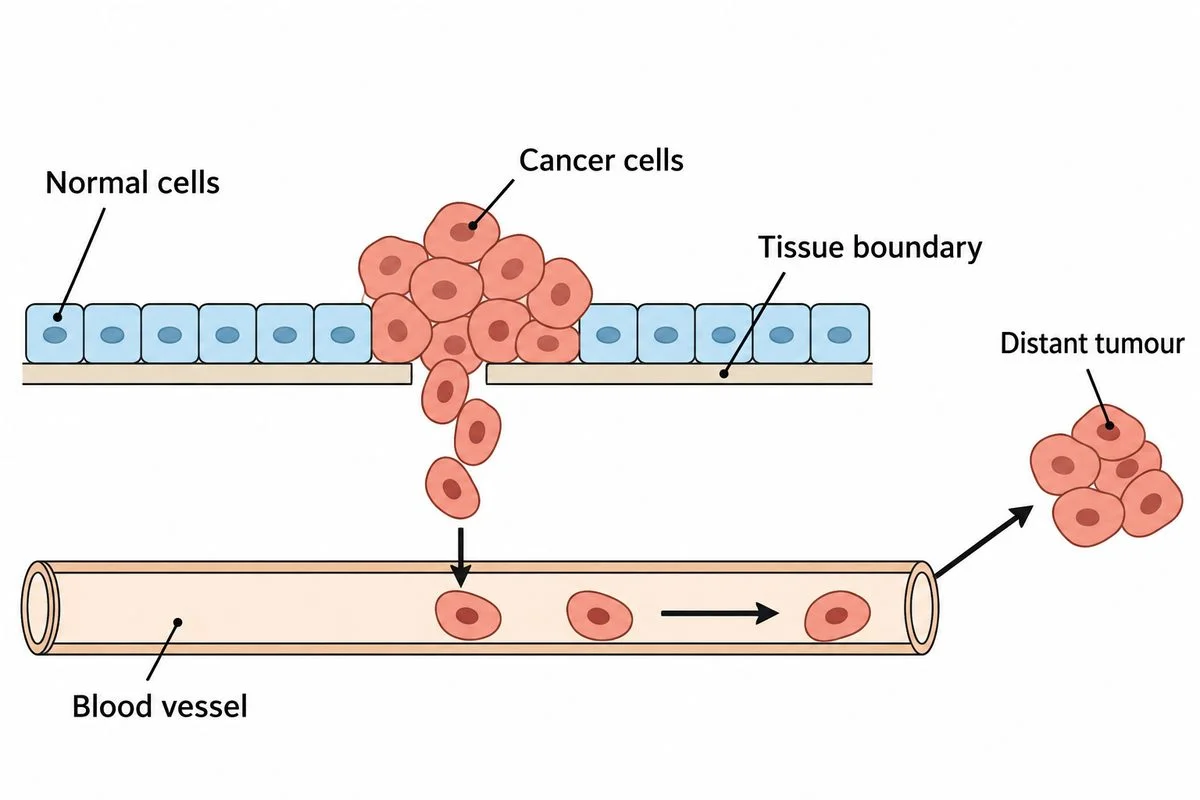
Cancer cells cross a tissue boundary and travel through blood to a distant tumour.

7. Cancer

Cells escape growth controls and invade nearby tissue.

Show
In the diagram, find the orderly layer, then the cluster crossing a tissue boundary. Locate the nearby blood vessel. After predicting, trace the route through the vessel to the distant cluster.
Ask
Which cluster could spread through that vessel?
Say
The crowded cluster could spread through that vessel. Cancer cells can invade nearby tissue and sometimes establish growths elsewhere.
Used in
Examining biopsy tissue helps doctors identify cancer and plan treatment.
If your child says…“Every tumour is cancer that spreads.”
Ask
Does a local growth automatically show invasion or spread?
What’s true
Benign tumours remain local; malignant tumours invade and may spread.
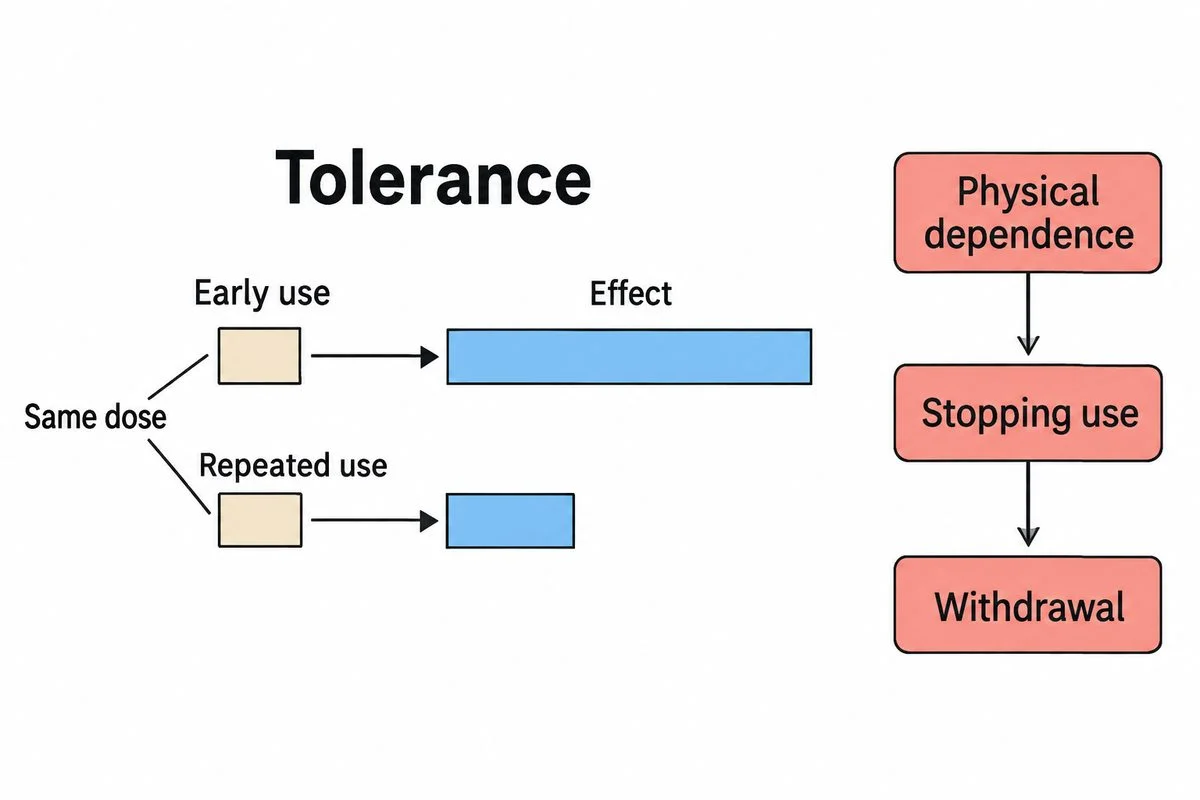
Equal doses produce different effects; a separate pathway links physical dependence and withdrawal.

8. Drugs and alcohol abuse

Repeated substance use can change responsiveness and cause dependence.

Show
Compare identical doses and effect bars in the diagram. Follow dependence through stopping use to withdrawal.
Ask
Why might stopping cause distress even when the same dose has less effect?
Say
Tolerance reduces the same dose's effect as the body adapts. Physical dependence can cause withdrawal when use stops.
Used in
Counselling supports recovery by helping people manage substance-use urges.
If your child says…“Ending addiction only takes willpower.”
Ask
What could determination alone leave untreated if stopping causes withdrawal?
What’s true
Dependence can cause withdrawal, so recovery may need medical care and support.

A real problem

Vaccination helped contain smallpox outbreaks in India.

Smallpox spread easily, and no cure was known.

Health workers vaccinated contacts of people with smallpox to contain outbreaks.

India's final smallpox case was found in May 1975.

WHOUniversity of Michigan Library

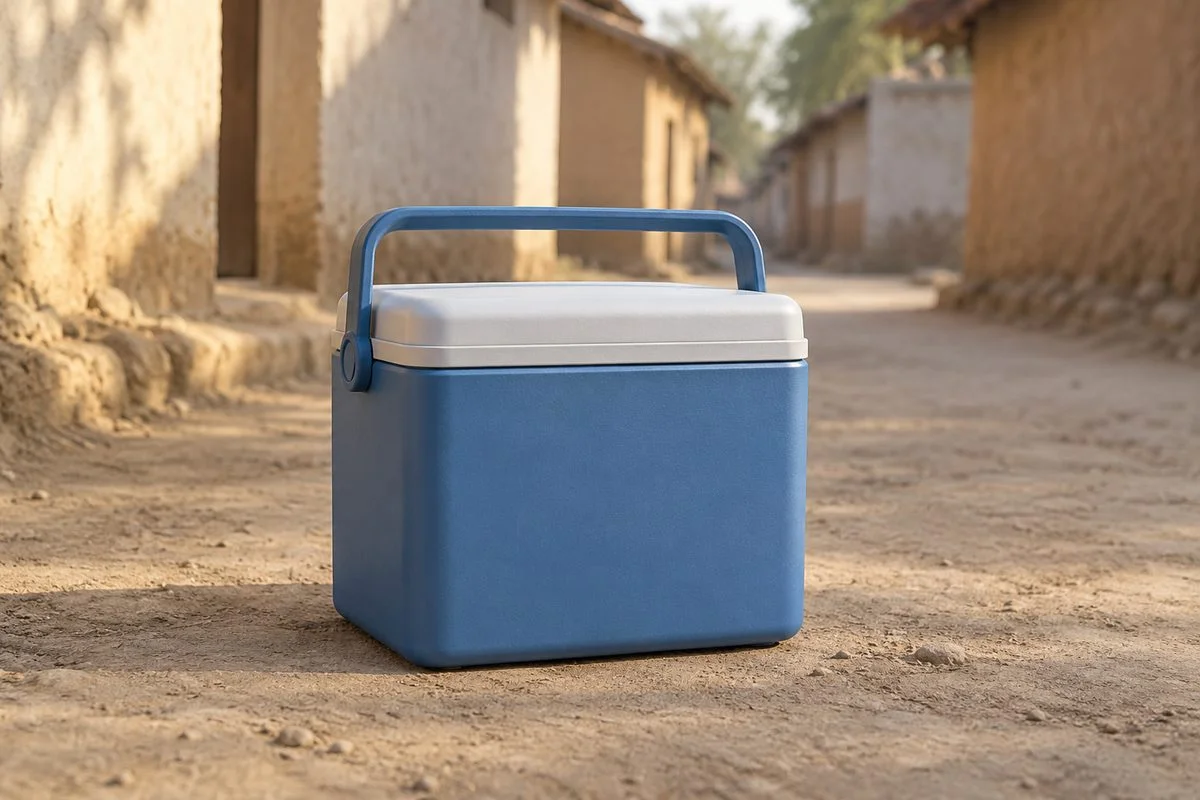
Closed vaccine carrier on an Indian village lane.

Concept Lab · Common misconception

The tempting mistake in Human Health and Disease

Open standalone misconception page →

Does receiving antibodies build long-term immune memory?

Wrong

Ready-made antibodies give lasting immunity because the body now has the antibodies it needs.

Why it feels right. I confuse protection by antibodies with the process that creates memory cells.

Right

Passive immunity supplies antibodies. Active immunity activates the recipient's own immune response and can build memory.

Worked example

Passive protection
Antibodies supplied→Rapid protection→Wanes as antibodies clear
Active response
Vaccination→Immune response→Memory supports faster later response
Ready-made antibodies can act quickly and wane. An effective vaccine response can establish immune memory.
  1. A dose of ready-made antibodies can provide protection quickly and then wane as the antibodies are cleared.
  2. After an effective vaccine response, memory cells can support a faster response to a later exposure.

Ask your child eight quick questions.

One per step. The answer and the reason are given.

  1. Would killing germs cure a disease caused only by missing nutrients?

    No. The missing nutrients must be supplied; germs did not cause this disease.

  2. Where does the malaria parasite reproduce sexually?

    Inside a female Anopheles mosquito. Its life cycle includes essential stages outside humans.

  3. Which built-in chemical defence meets swallowed germs in the stomach?

    Stomach acid. Innate protection includes chemical barriers as well as skin.

  4. What allows a faster response when the same antigen returns?

    Memory cells. Acquired immunity retains cells prepared for that antigen.

  5. After foreign germs disappear, what can an autoimmune attack in a joint still target?

    The joint's own tissues. Removing foreign germs does not remove the tissues targeted by autoimmunity.

  6. Does sharing a meal transmit HIV?

    No. Ordinary shared meals do not provide a route for HIV transmission.

  7. A tumour has stayed in one organ. What doesn't this prove about its type?

    That it is benign. A malignant tumour may not have spread to distant organs.

  8. What effect of dependence can make stopping substance use need medical care?

    Withdrawal. Physical effects can require treatment beyond a decision to stop.

15 more questions with answers