One per step. The answer and the reason are given.
-
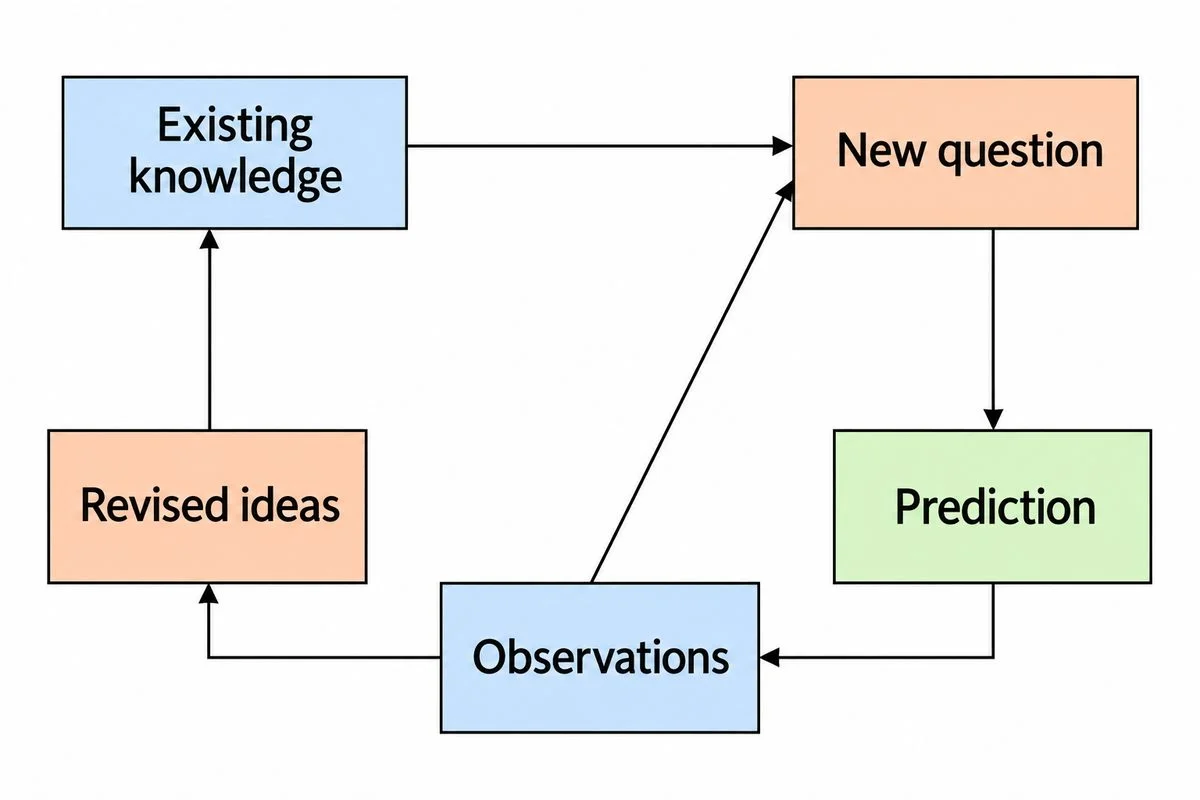
A child watches a puri puff, wonders why, then stops. Why is the investigation incomplete?
The question remains untested. The child must plan a test and use its results to answer the question.
-
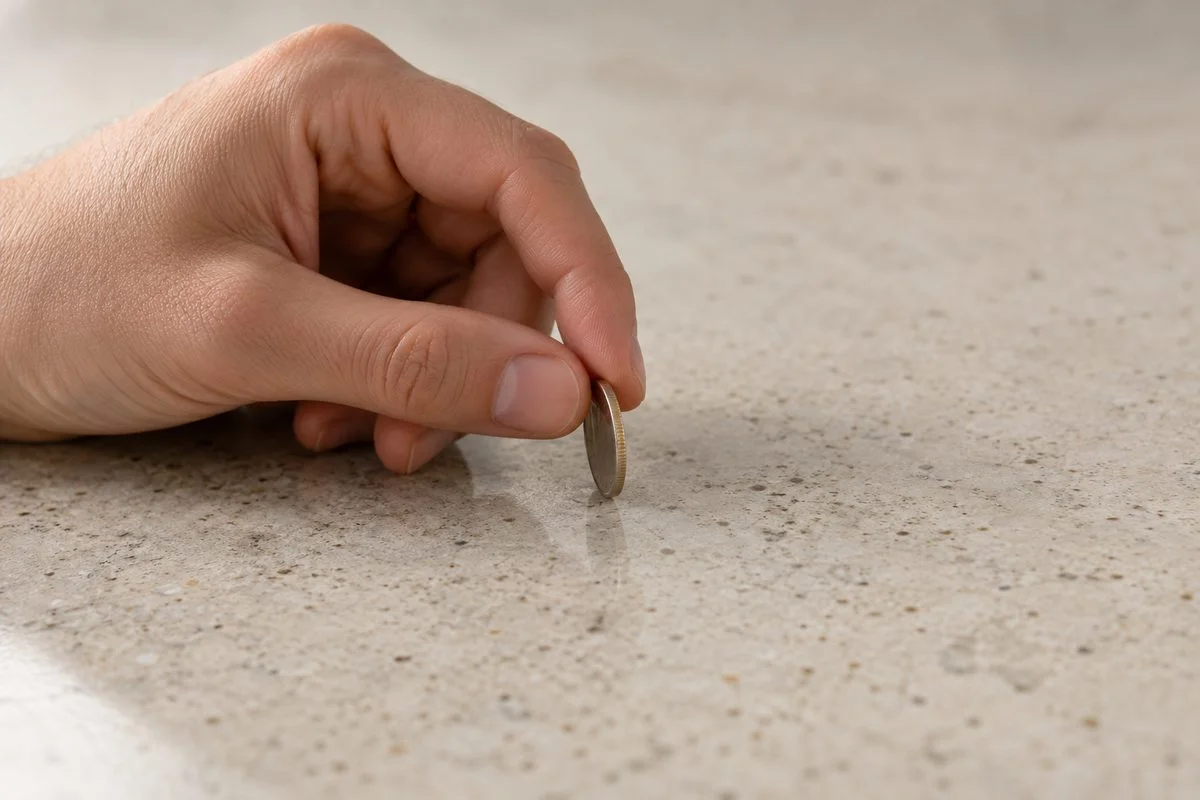
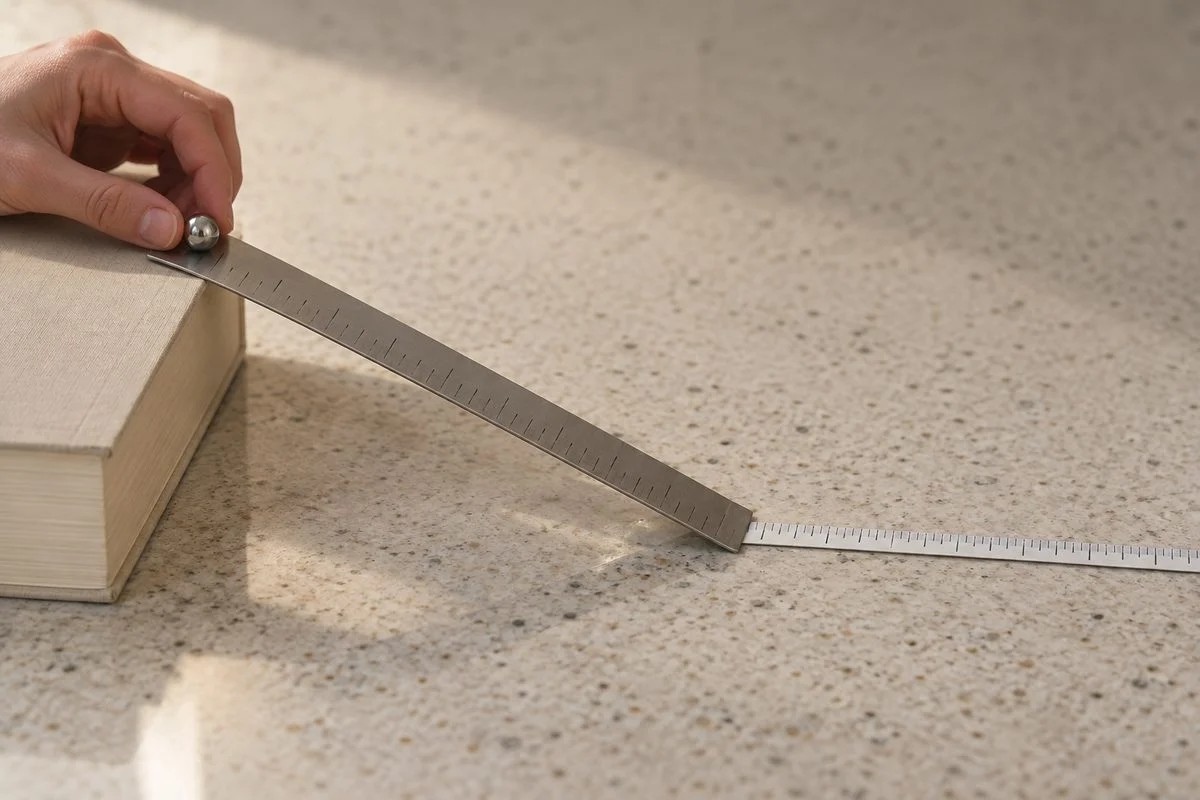
Can a careful kitchen test count as an experiment?
Yes. Experiments can use ordinary household objects.
-
You choose the oil temperature, then measure puffing time. Which is the result?
Puffing time. The temperature is set beforehand; puffing time is measured during the test.
-
You change thickness and temperature together. Which caused the difference in puffing?
We cannot tell. Either change could affect puffing.
-
A child leaves splattering out because only puffing time was planned. Why record splattering too?
Unplanned observations can provide clues. Useful evidence can come from more than the measurement you planned.
-
Do all microorganisms in our bodies cause infections?
No. Some help digestion instead of causing infections.
-
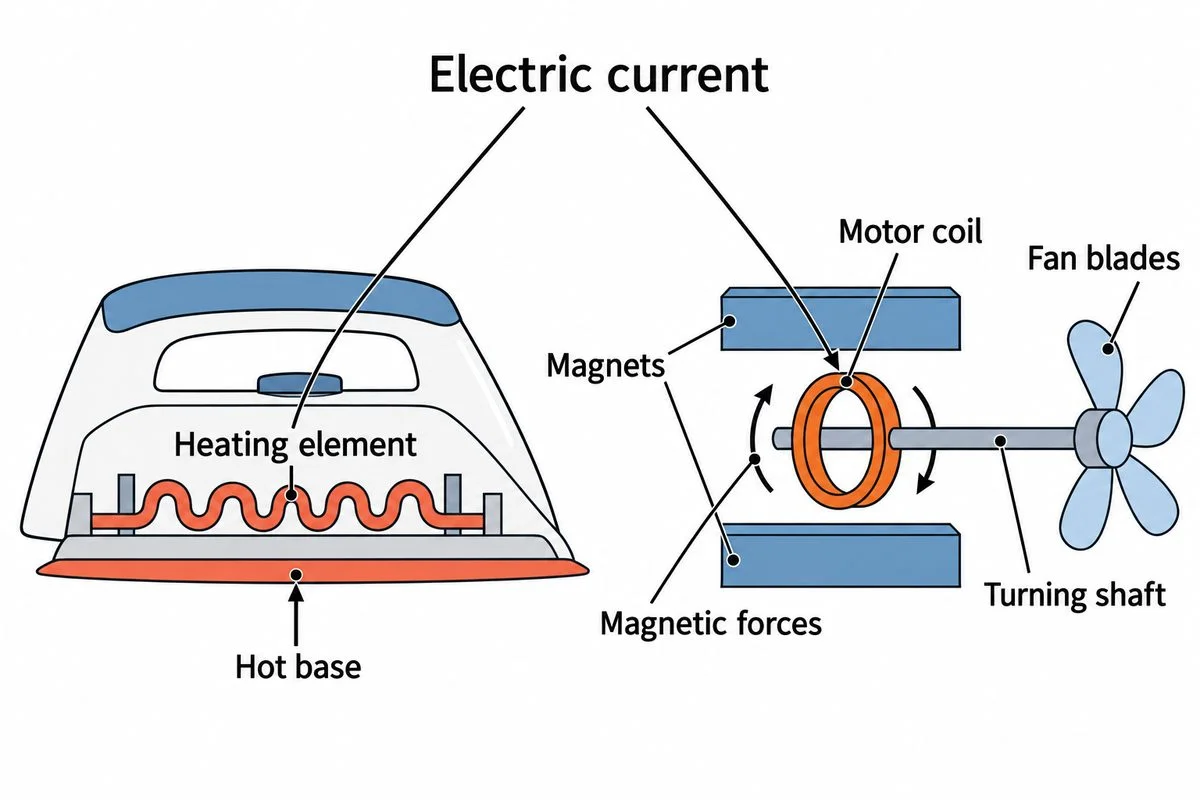
An iron warms and a motor turns. Which effect of current makes the motor turn?
The magnetic effect. Heating warms things; the magnetic effect produces the motor’s turning.
-
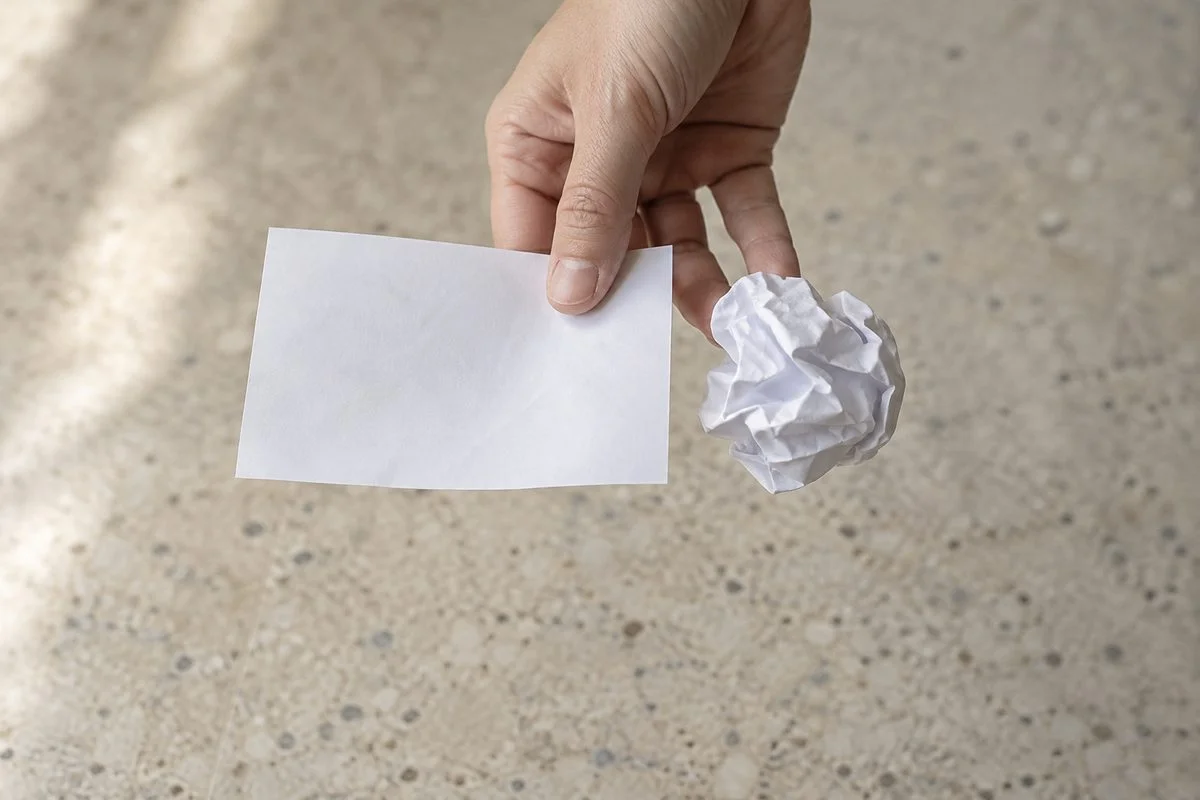
A child predicts folded paper falls faster. What must happen before accepting that prediction?
Test it and observe. A prediction suggests a possibility; observations provide evidence to judge it.