Skip to content

Teach Exploring Forces in eight steps.

For each idea: show it, ask before you tell, then say one line.

Gather a box, two balloons, woollen cloth, two bar magnets, soft ball, string, bucket, water and smooth stone.

Common misconceptions & worked visual for this chapter · 15 practice questions with answers

How to teach it

Pushes, pulls and contact

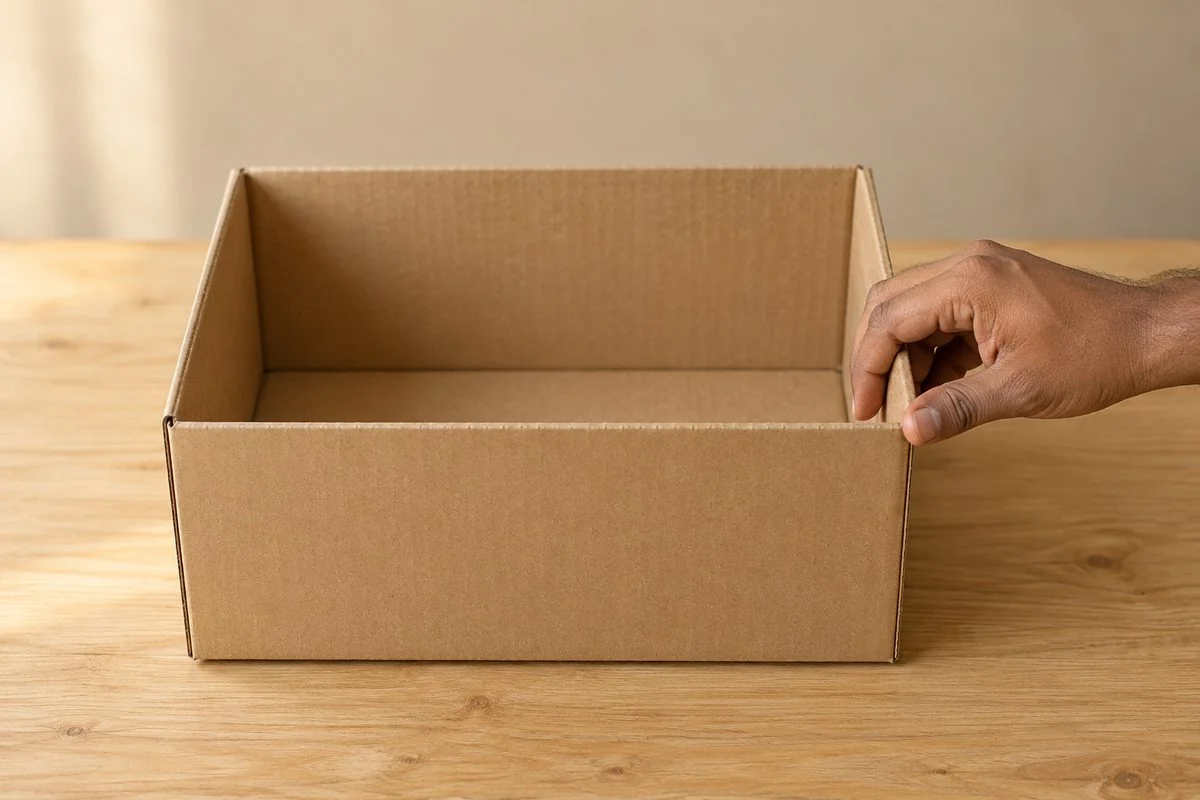
A hand beside an empty cardboard box before pulling.

1. Force

A push or pull comes from another object.

Show
Place an empty box on the table. After predicting, pull it gently with your hand.
Ask
Can your bare hand move this box?
Say
Your hand supplies the pull. The hand and box are the two interacting objects.
Used in
Pulling a drawer opens it so its contents are within reach.
If your child says…“You need a tool to apply force.”
Ask
What pulled the box when you used no tool?
What’s true
A bare hand can apply force directly.
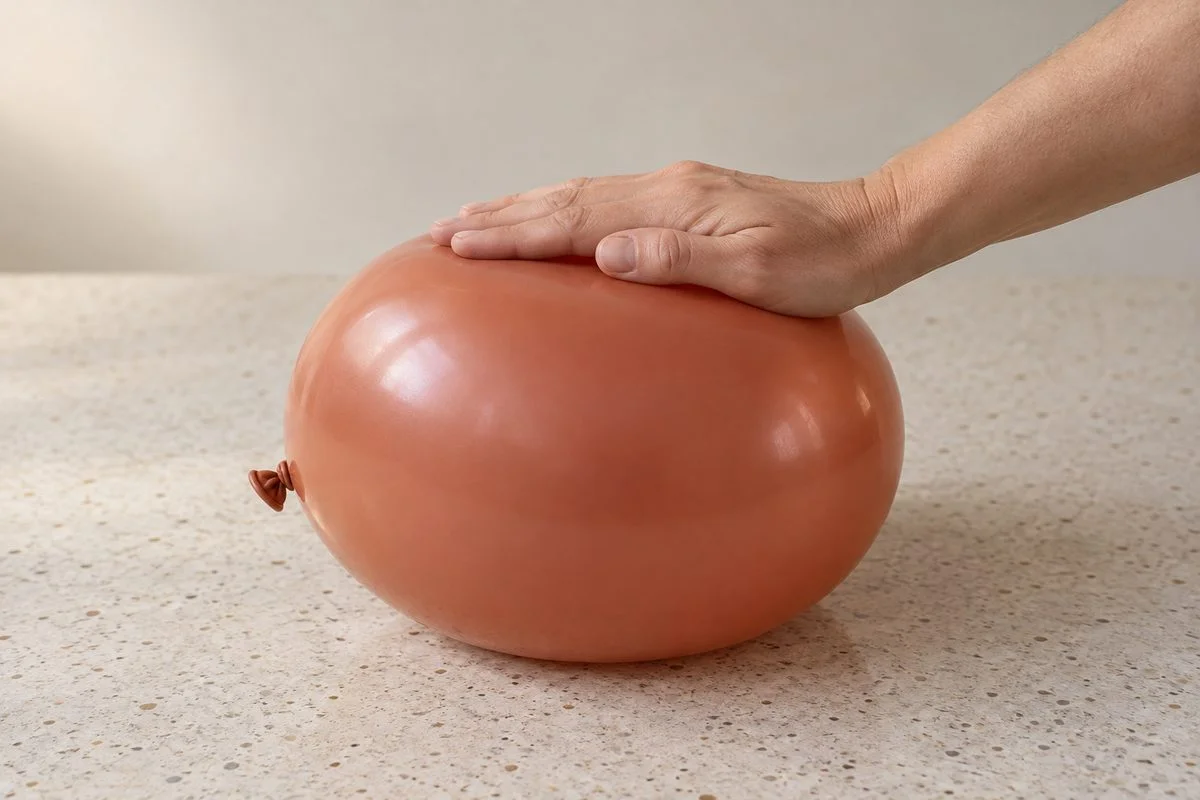
A hand gently flattening a balloon on a table.

2. Muscular force

Muscles supply forces that can change movement or shape.

Show
Rest an inflated balloon on the table. After predicting, press it gently without bursting it.
Ask
What will happen to its shape when you press?
Say
Your muscles supply the push, which changes the balloon's shape.
Used in
An ox's muscles pull a plough to help with farm work.
If your child says…“Changing shape doesn't need force.”
Ask
What makes the balloon flatten under your hand?
What’s true
A push can reshape something without moving it away.
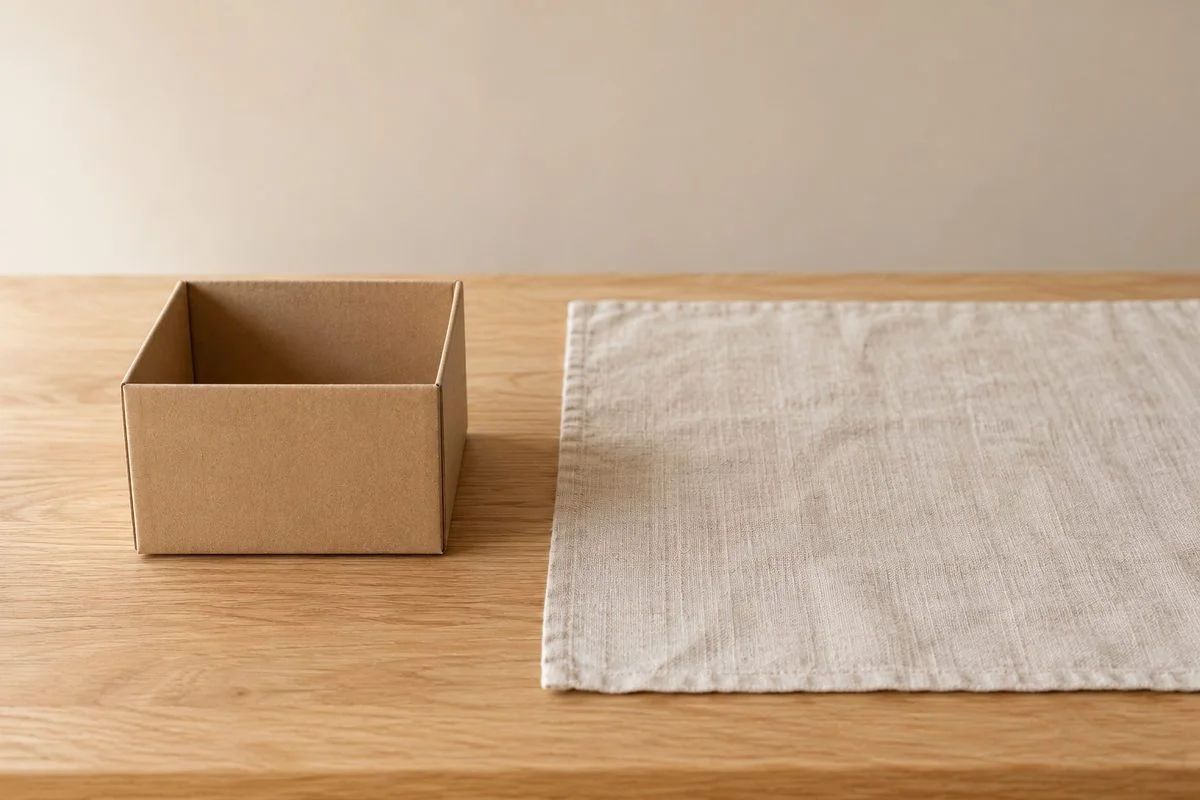
A box beside bare wood and cloth for comparing slides.

3. Friction

Touching surfaces resist sliding, with strength depending on the surfaces.

Show
Spread the cloth flat across half the table and keep it still. After predicting, give the box a short push, then let go. Repeat on the other surface, letting go at a similar speed. Keep each slide entirely on one surface.
Ask
Which surface will let the box slide farther?
Say
Friction resists the box's sliding, and different surfaces can slow it differently.
Used in
Streamlined ships face less water resistance, making movement through water easier.
If your child says…“A longer slide means more friction.”
Ask
Which surface slowed the box over a shorter distance?
What’s true
With equal starting speeds on level surfaces, greater friction usually gives a shorter slide.

Forces across gaps

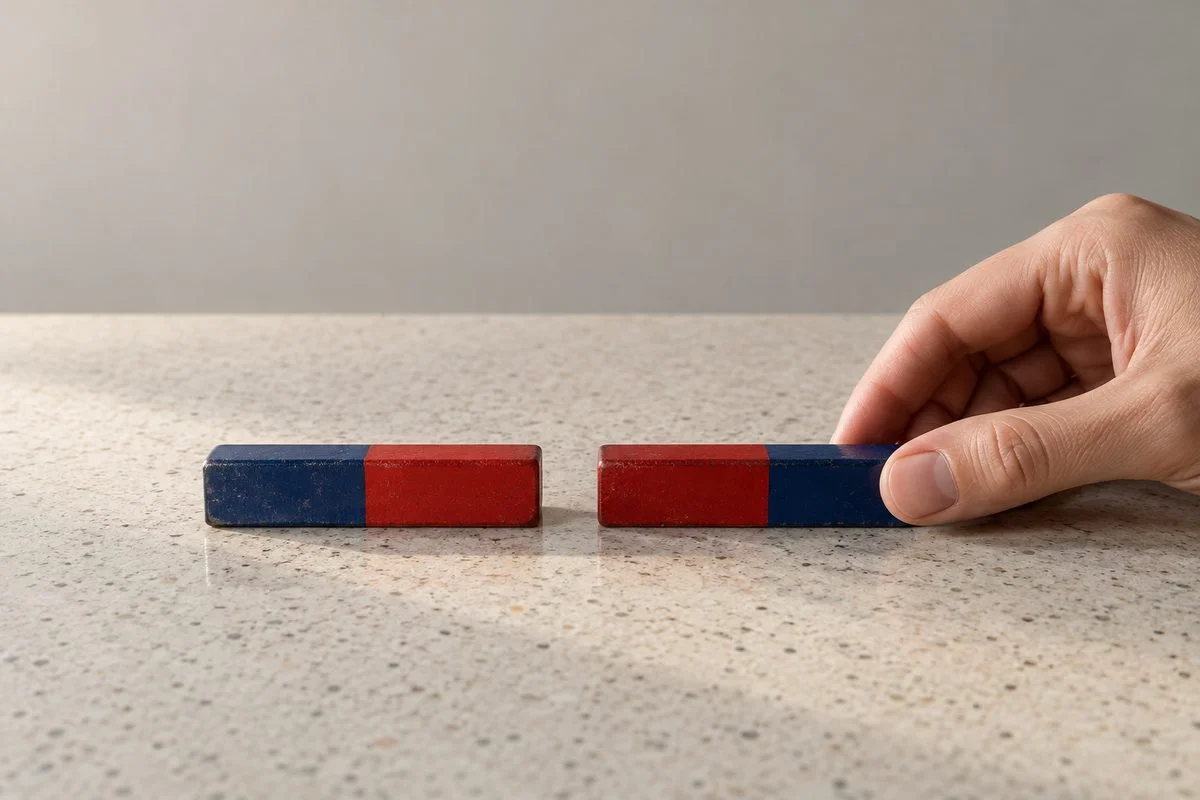
Two separated magnets, with a hand ready to turn one.

4. Magnetic force

Magnets can push or pull across a gap.

Show
Place the magnets end to end with a small gap. After predicting, hold both steady across the gap and feel their push or pull. Turn one end for end, then hold both steady and compare.
Ask
Will turning one magnet change their push or pull?
Say
Like poles repel, while unlike poles attract. Magnetic force can act across gaps.
Used in
Magnetic repulsion supports an upper ring magnet while a wooden guide keeps it aligned.
If your child says…“Magnets can only pull.”
Ask
What happens when you turn one magnet around?
What’s true
Facing like poles push the magnets apart.
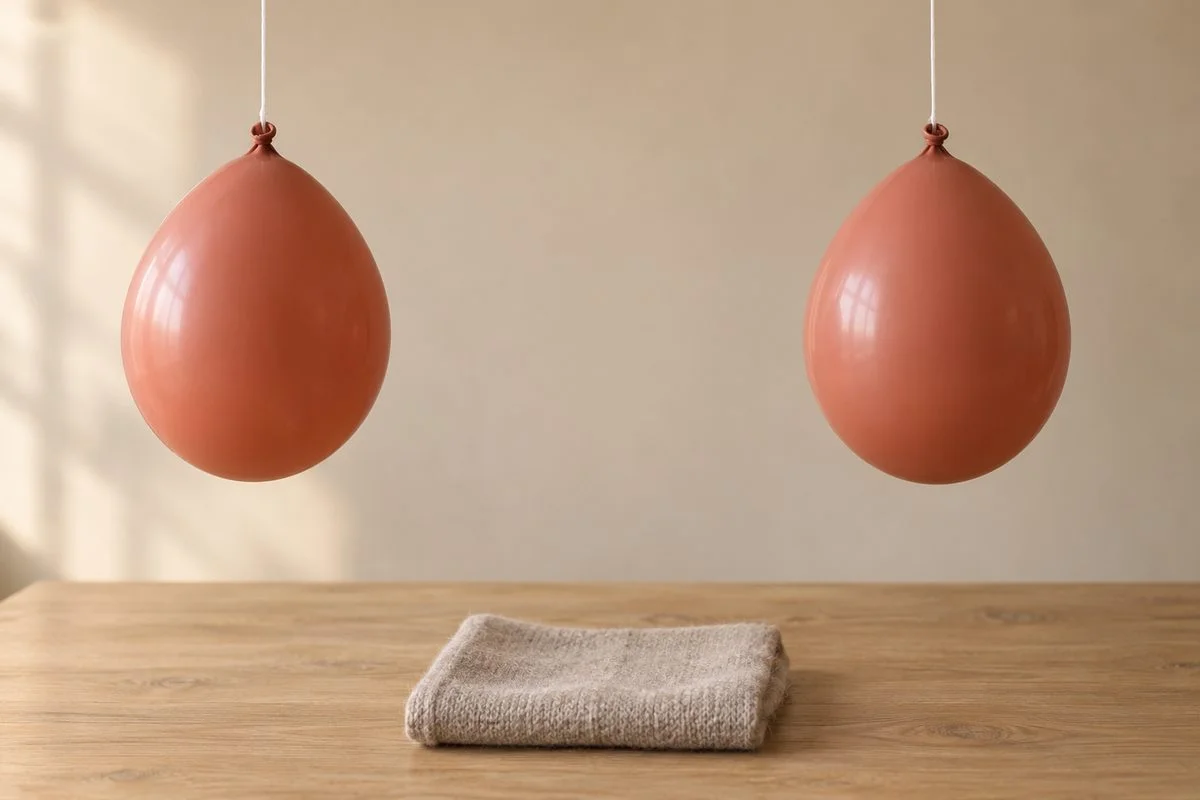
Two hanging balloons above woollen cloth, before rubbing.

5. Electrostatic force; contact and non-contact forces

Charge acts across gaps; muscular force and friction need contact.

Show
Suspend both balloons by strings. After predicting, rub both with woollen cloth and bring them close.
Ask
Will balloons rubbed with the same cloth pull together or push apart?
Say
Matching charges repel without touching.
Used in
A rubbed plastic ruler can pick up loose paper pieces through electric attraction.
If your child says…“Matching charges pull together.”
Ask
After rubbing both balloons alike, do they approach or separate?
What’s true
Balloons rubbed alike acquire matching charges and push apart without needing contact.
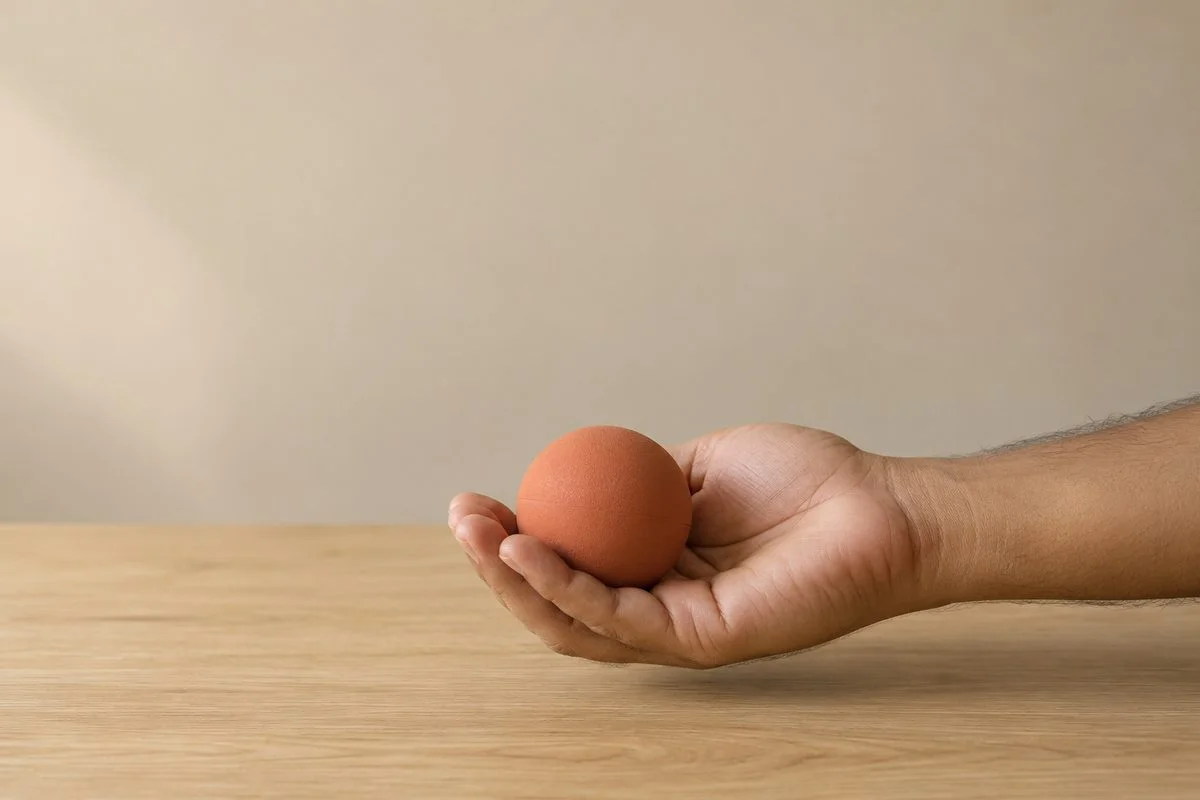
A hand holding a ball before an upward toss.

6. Gravitational force

Earth pulls objects down throughout an ordinary throw.

Show
Hold a ball above the table. After predicting, toss it gently upwards and catch it.
Ask
Will Earth's pull change direction when the ball starts falling?
Say
Earth pulls down while the ball rises, pauses at the top, and falls, without needing contact.
Used in
A spring balance measures a load's weight using Earth's downward pull.
If your child says…“Gravity stops at the top.”
Ask
What makes the ball start falling after its brief pause?
What’s true
Earth's pull continues even when the ball's speed is momentarily zero.

Measuring and balancing forces

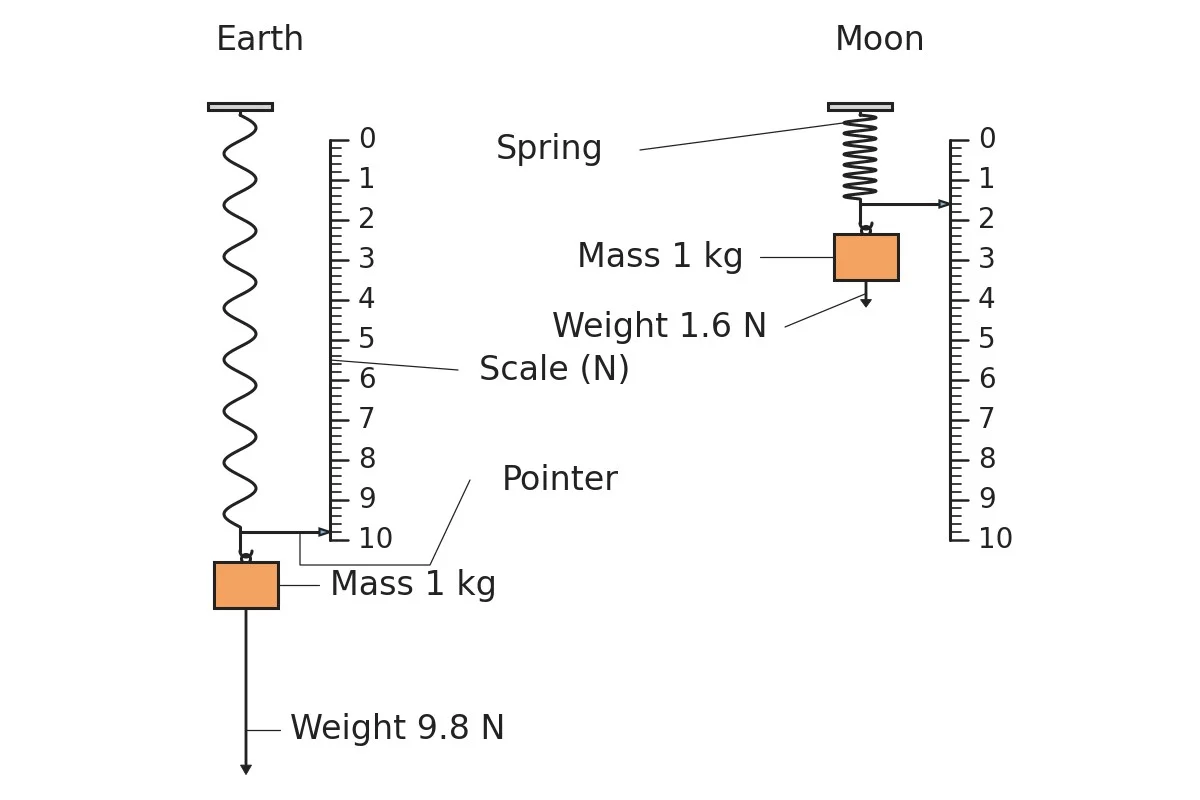
Identical spring balances show the same mass weighing less on the Moon.

7. Mass, weight and spring balance

Mass measures matter in kilograms; weight measures gravitational pull in newtons.

Show
Look at the diagram. Compare the springs, pointers and gaps between numbered scale marks.
Ask
How would moving this unchanged object to the Moon affect its weight?
Say
The Moon's weaker pull stretches the spring less; mass stays unchanged.
Used in
Comparing spring stretches helps compare weights without judging objects by size.
If your child says…“I should count the marks, not the gaps.”
Ask
How many spaces are there between these two numbered marks?
What’s true
Subtract neighbouring numbered readings, then divide by the number of equal gaps between them.
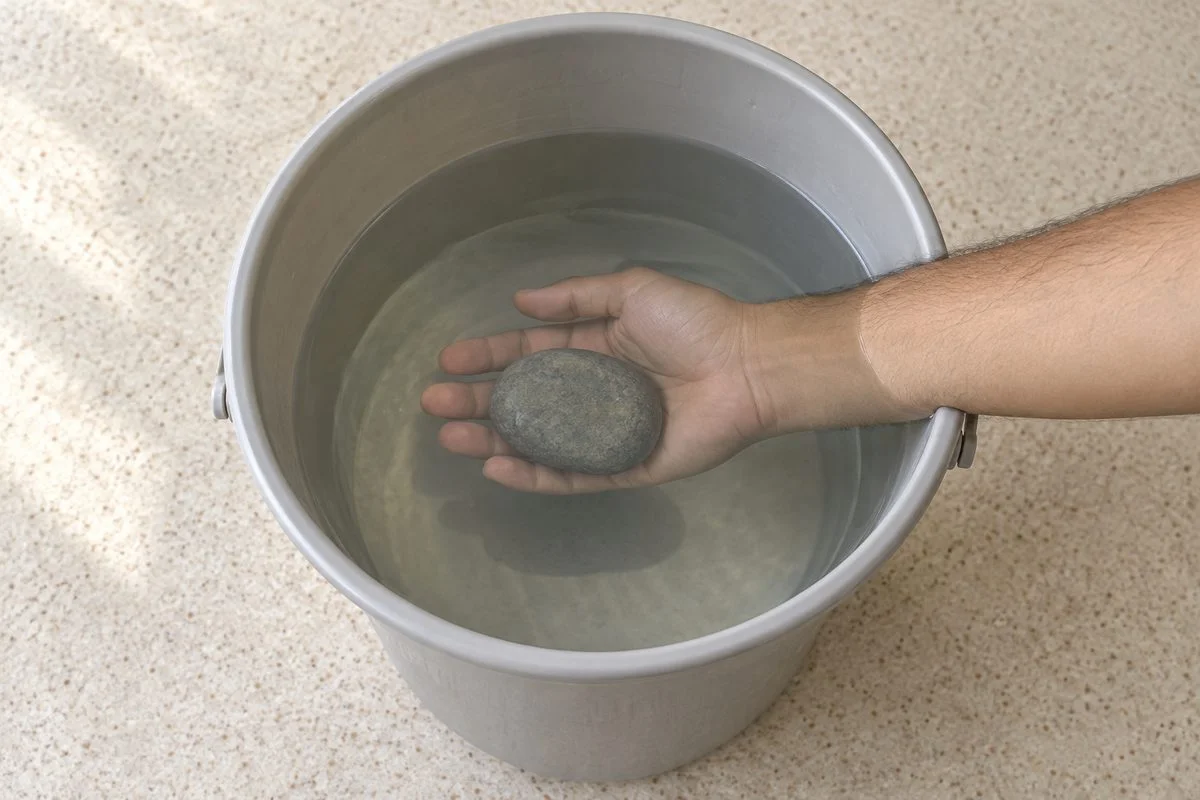
An open hand supports a stone underwater, clear of the bucket's bottom.

8. Upthrust or buoyant force

Liquids push upwards on both floating and sinking objects.

Show
Half-fill a bucket with water. Hold a smooth stone on your open palm above it. After predicting, lower it underwater and hold it clear of the bottom. Near the bottom, slide your hand aside and watch it sink.
Ask
Will the stone need as much support from your hand underwater?
Say
The stone feels lighter because water pushes upwards. It still sinks because its weight exceeds that push.
Used in
Water's upward push supports floating wooden blocks.
If your child says…“Sinking things get no upward push.”
Ask
What made the stone feel lighter before you let it sink?
What’s true
Water pushes upwards on a sinking object too, but its weight can be greater.

A real problem

Slowing Mangalyaan helped it enter Mars orbit.

Mangalyaan reached Mars orbit in 2014.

Its engine supplied a force that slowed the spacecraft, helping it enter its planned Mars orbit.

Reaching orbit successfully demonstrated the mission's technology.

ISROISRONASA

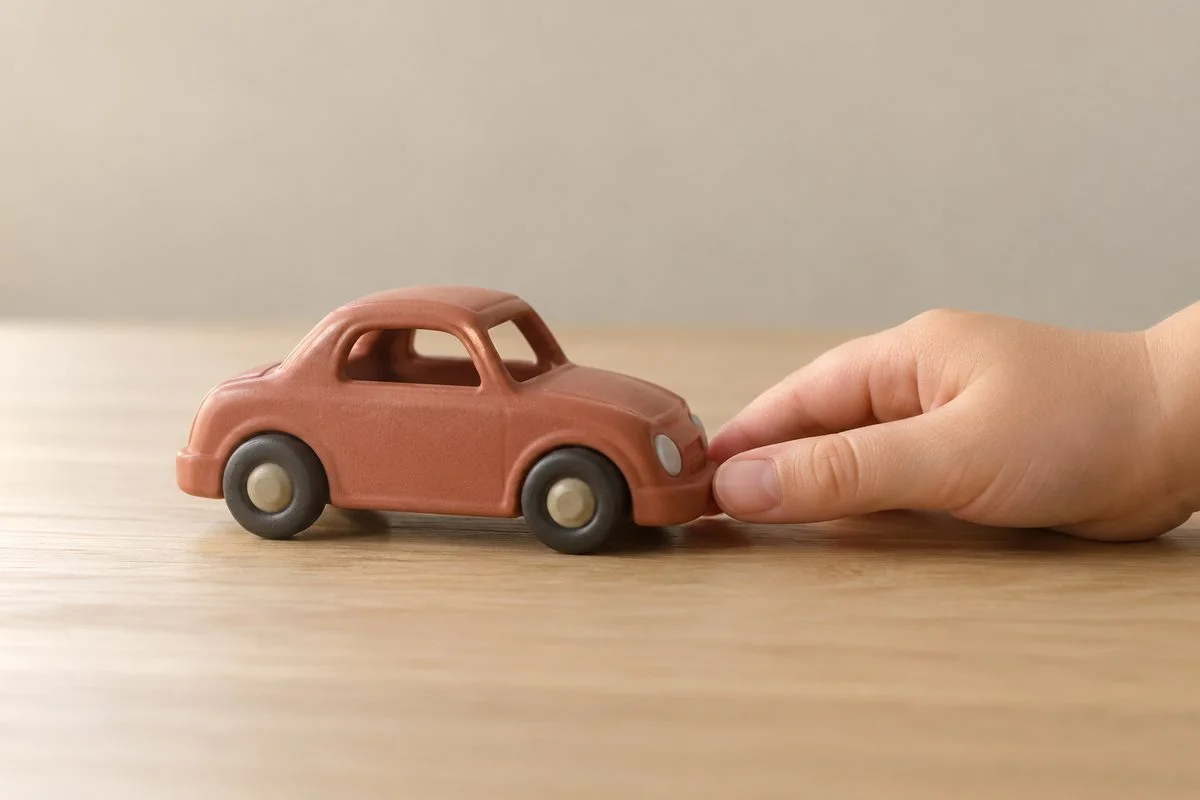
A hand against a toy car's front, illustrating slowing by force.

Concept Lab · Common misconception

The tempting mistake in Exploring Forces

Open standalone misconception page →

Does a push have to cause motion?

Wrong

There is no force on a box that stays still while I push it.

Why it feels right. I use motion as proof that a force exists.

Right

Forces can balance and leave an object at rest.

Worked example

The push and static friction are equal and opposite while the box remains at rest.
  1. Push gently on a box that does not slide.
  2. Static friction balances the push, so the net horizontal force is zero.

Ask your child eight quick questions.

One per step. The answer and the reason are given.

  1. Why can you pull a drawer open without a tool?

    Your muscles supply the pull. Your muscles can supply force without a tool.

  2. Does flattening the balloon involve force?

    Yes. The hand supplies a push that changes the balloon's shape.

  3. The same box starts equally fast on two level surfaces. Which slide shows greater friction?

    The shorter slide. Greater friction slows the box more strongly, so it travels less far.

  4. Can two magnets ever push each other apart?

    Yes. Like poles repel, so magnets can push as well as pull.

  5. Both balloons acquire matching charges. What happens when you bring them close?

    They push apart. Matching charges repel each other.

  6. What happens to gravity's pull when the ball briefly stops at the top?

    It keeps pulling downwards. Earth's attraction does not depend on whether the ball is moving.

  7. What do you count between neighbouring numbered marks to work out one scale step?

    The equal gaps. The difference between numbered values is shared equally across the gaps.

  8. Why does the stone start sinking when your hand moves away?

    Its weight exceeds the upthrust. Water pushes upwards, but not enough to balance the stone's weight.

15 more questions with answers, 1 with pictures