Skip to content

Teach How Nature Works in Harmony in eight steps.

For each idea: show it, ask before you tell, then say one line.

Gather two pots, water, cooked rice, tumbler, plate, spoon, fallen leaf, soil and bowl. Find a mixed garden bed and flowers with visiting bees.

Common misconceptions & worked visual for this chapter · 15 practice questions with answers

How to teach it

Homes and interactions

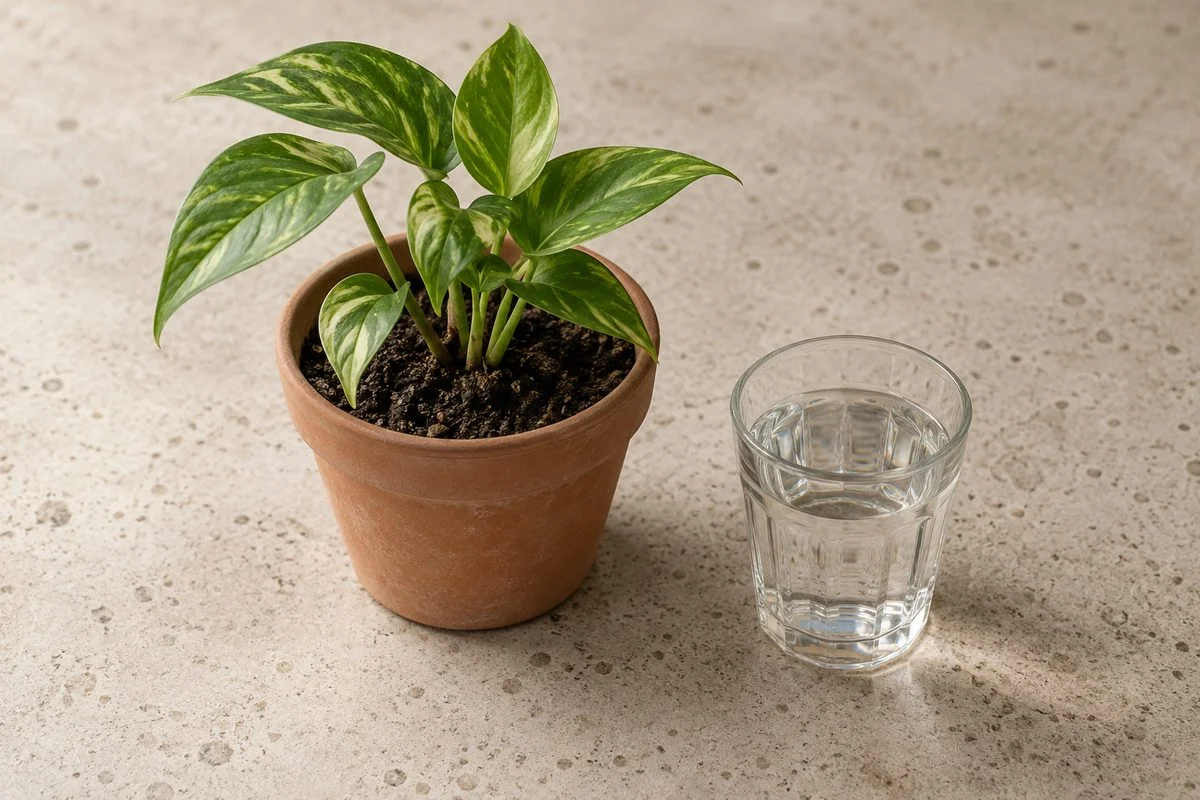
Potted plant beside a tumbler of water.

1. Habitat

An organism's home supplies living and non-living resources it needs.

Show
Place water beside a potted plant. Point to its soil and surrounding air.
Ask
Could this plant keep growing if its home supplied no water?
Say
No; water, air and soil are abiotic parts of its habitat.
Used in
Stream water meets a deer's drinking needs.
If your child says…“Food alone makes a suitable home.”
Ask
Could a deer live somewhere with food but no drinking water?
What’s true
An animal also needs water, oxygen, shelter and space.
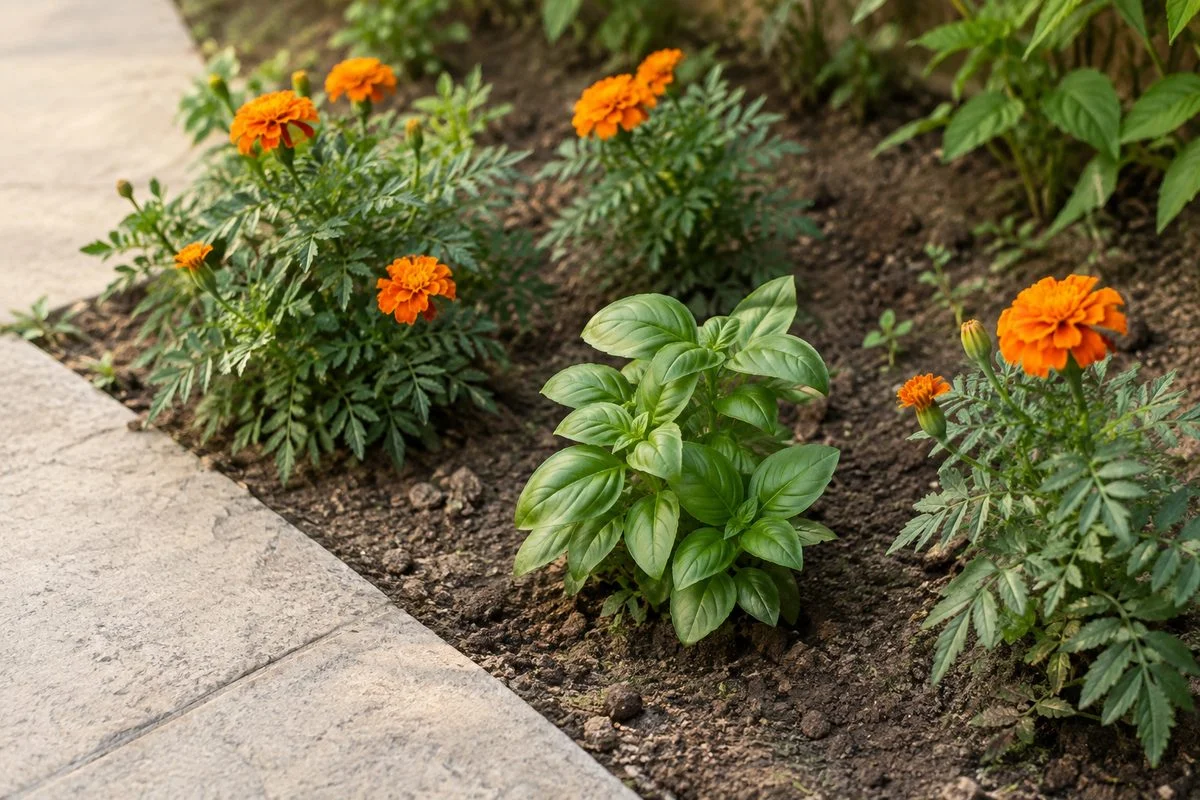
A garden bed with matching plants, another plant species and exposed soil.

2. Individual, population, community and ecosystem

Individuals form populations within communities, which interact with their surroundings.

Show
Find matching plants together in a mixed garden bed. Point to one, its neighbours and the soil.
Ask
Would more plants of this species alone make a community?
Say
No; all plants of that species here form a population. One plant is an individual. All living populations here form the community. The ecosystem includes this community and its non-living surroundings.
Used in
Grass supports hare and deer populations by feeding both.
If your child says…“Enough plants of one species make a community.”
Ask
Have more plants of the same species added another species?
What’s true
However numerous, plants of one species alone form a population.
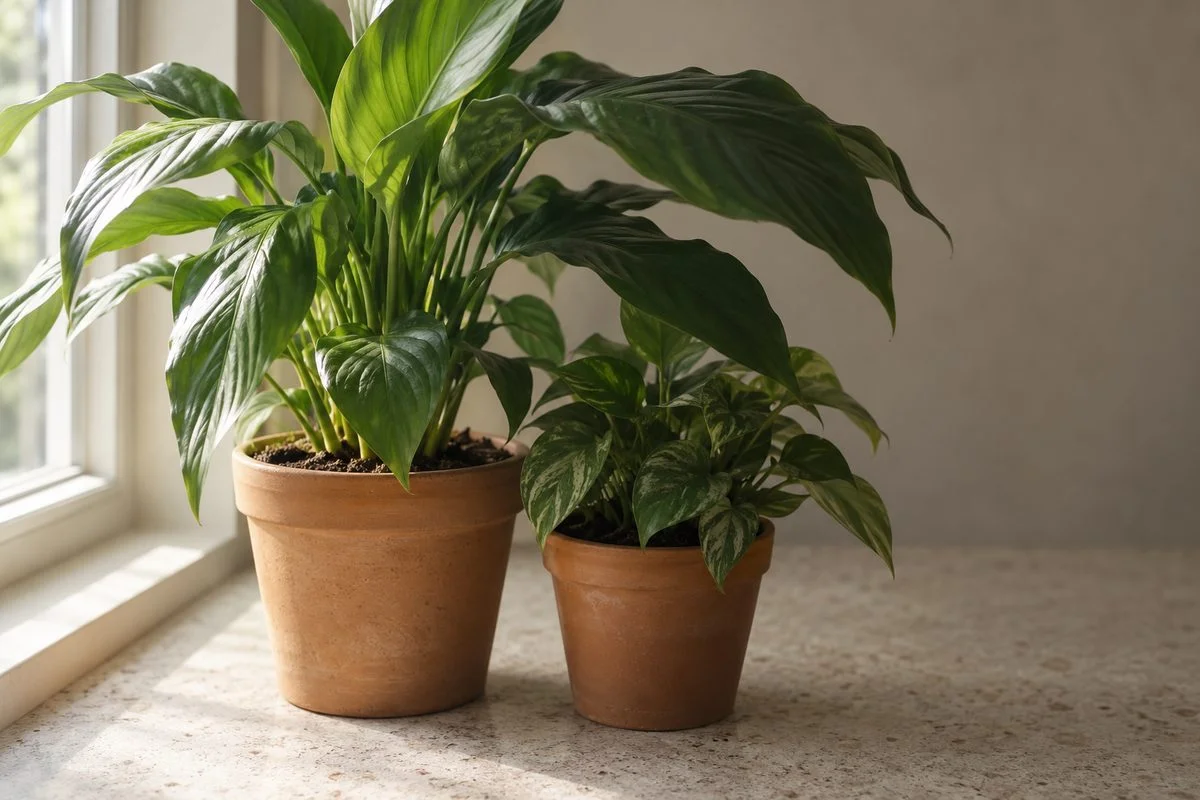
Two potted plants, with one shading the other.

3. Ecosystems, interactions and competition

Living things interact with surroundings and compete when shared resources run short.

Show
Arrange two leafy pots so one plant shades the other.
Ask
Will extra water replace the shaded plant's missing light?
Say
No; extra water will not replace the missing light. Plants interact with surroundings and can compete for limited light.
Used in
Competition can limit population growth, helping maintain ecosystem balance.
If your child says…“Plants only need soil and water.”
Ask
Which missing resource would extra water fail to supply?
What’s true
Green plants also need light and air.
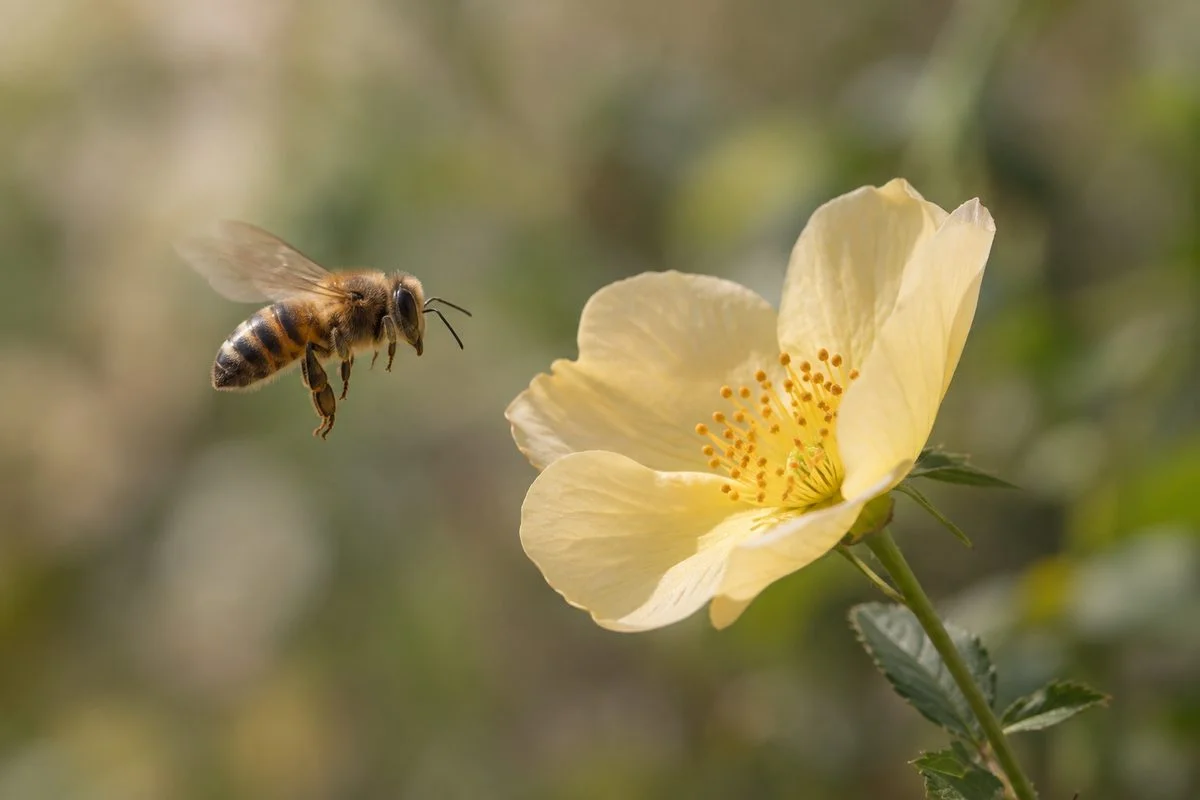
A bee approaching an open garden flower.

4. Mutualism, commensalism and parasitism

Relationships depend on how each partner benefits or suffers.

Show
Find a bee near open flowers. Watch from a distance without disturbing it.
Ask
Could the flower gain anything when the bee collects food?
Say
Both can benefit when bees carry pollen between flowers of the same species: mutualism.
Used in
Bees transfer pollen between flowers of one species, helping seed formation while obtaining nectar.
If your child says…“Anything living on a tree is a parasite.”
Ask
If the orchid only gains support, what harm to the tree have we described?
What’s true
An organism living on another may leave it unharmed.

Food and nutrient links

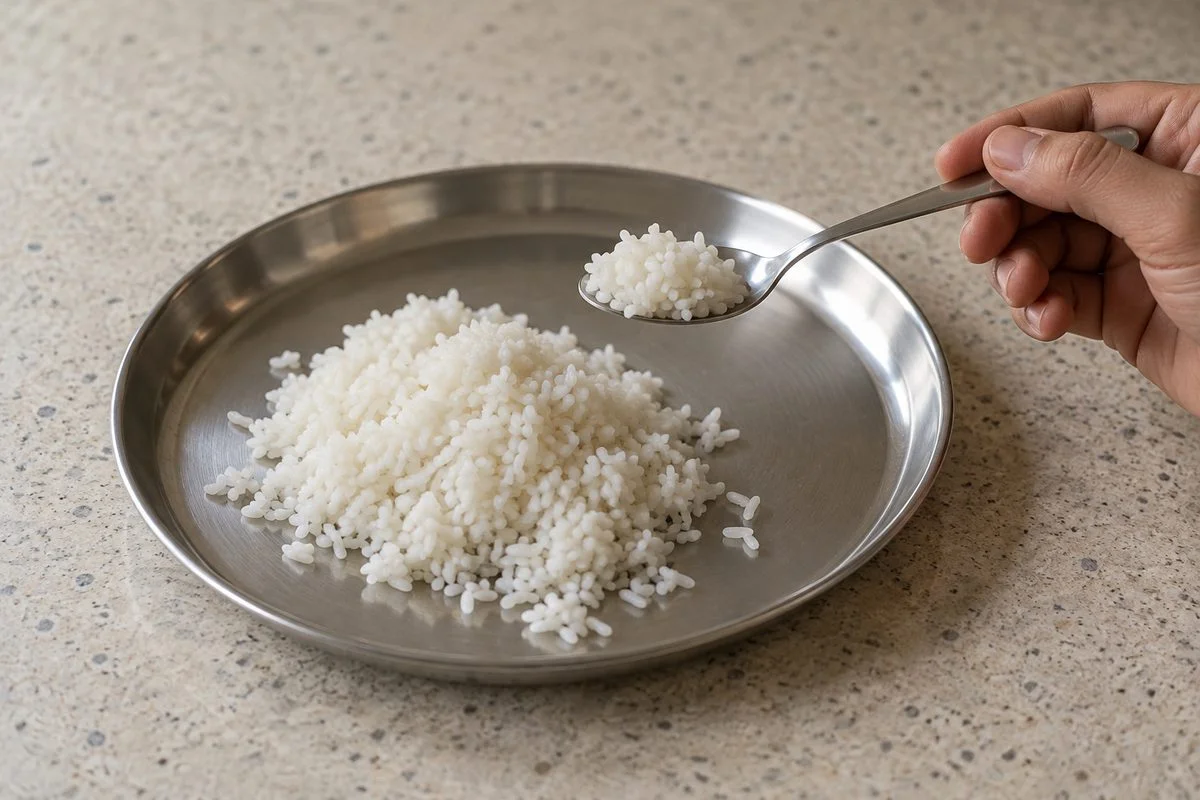
A hand holding a spoonful of rice above a steel plate.

5. Producers, consumers and trophic levels

Food chains connect producers and consumers through feeding positions called trophic levels.

Show
At a meal, point to cooked rice and name the plant it came from. After predicting, let your child eat a spoonful.
Ask
Which way will food move between this rice and you?
Say
Food moves from the rice to you. The rice plant makes food as a producer. When you eat rice, you are a consumer.
Used in
Grass feeds hares, indirectly supporting leopards.
If your child says…“The arrow points towards what gets eaten.”
Ask
Did the rice enter you, or did you enter the rice?
What’s true
A food arrow follows food and energy into the eater.
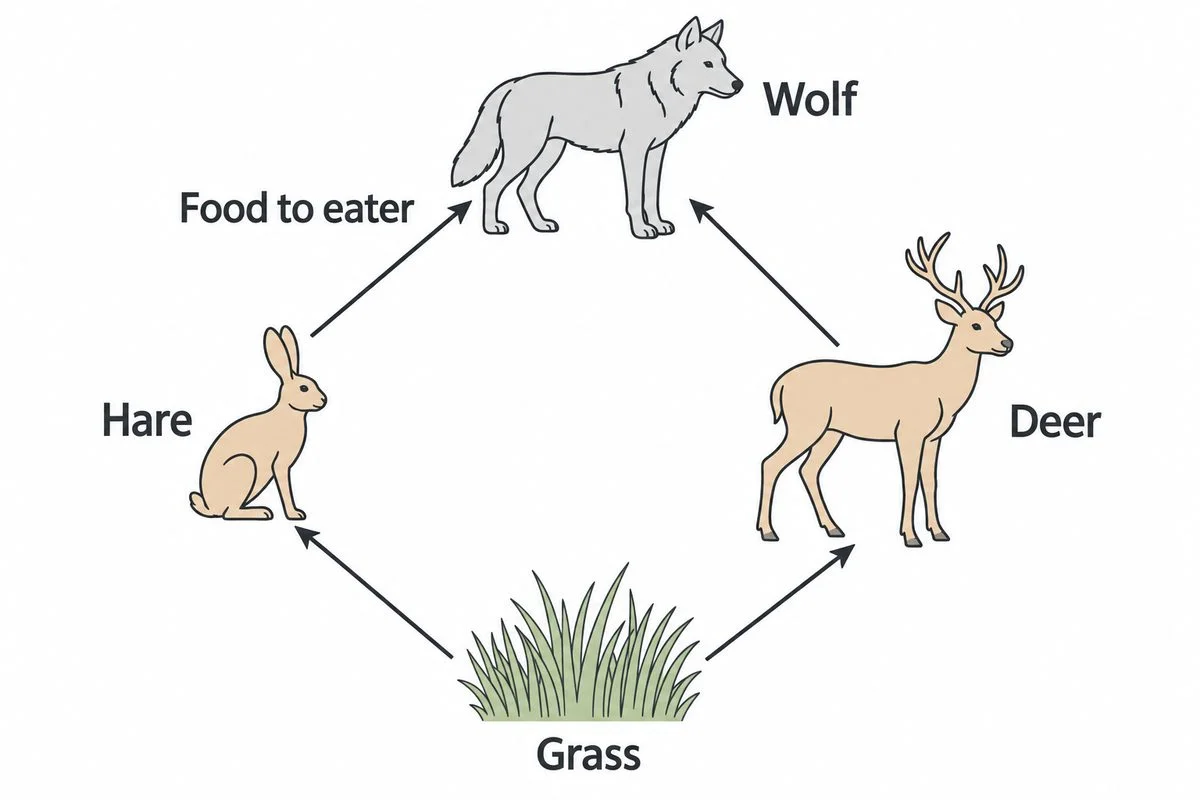
Food web showing grass feeding hares and deer, both eaten by wolves.

6. Food webs and indirect effects

Linked food chains allow changes to affect organisms beyond direct feeding partners.

Show
Look at the diagram. Follow the arrows from grass through hares and deer to wolves.
Ask
If fewer hares eat the grass, how might the deer benefit?
Say
Fewer hares could leave more grass for deer. The arrows link food to eaters across several chains. Wolves also affect both animals, so deer numbers need not rise.
Used in
Birds eating grasshoppers can reduce damage to plants.
If your child says…“A change stays inside one food chain.”
Ask
Are the hares and deer drawing from separate grass supplies?
What’s true
Hares and deer share grass, so fewer hares can affect the food available to deer.
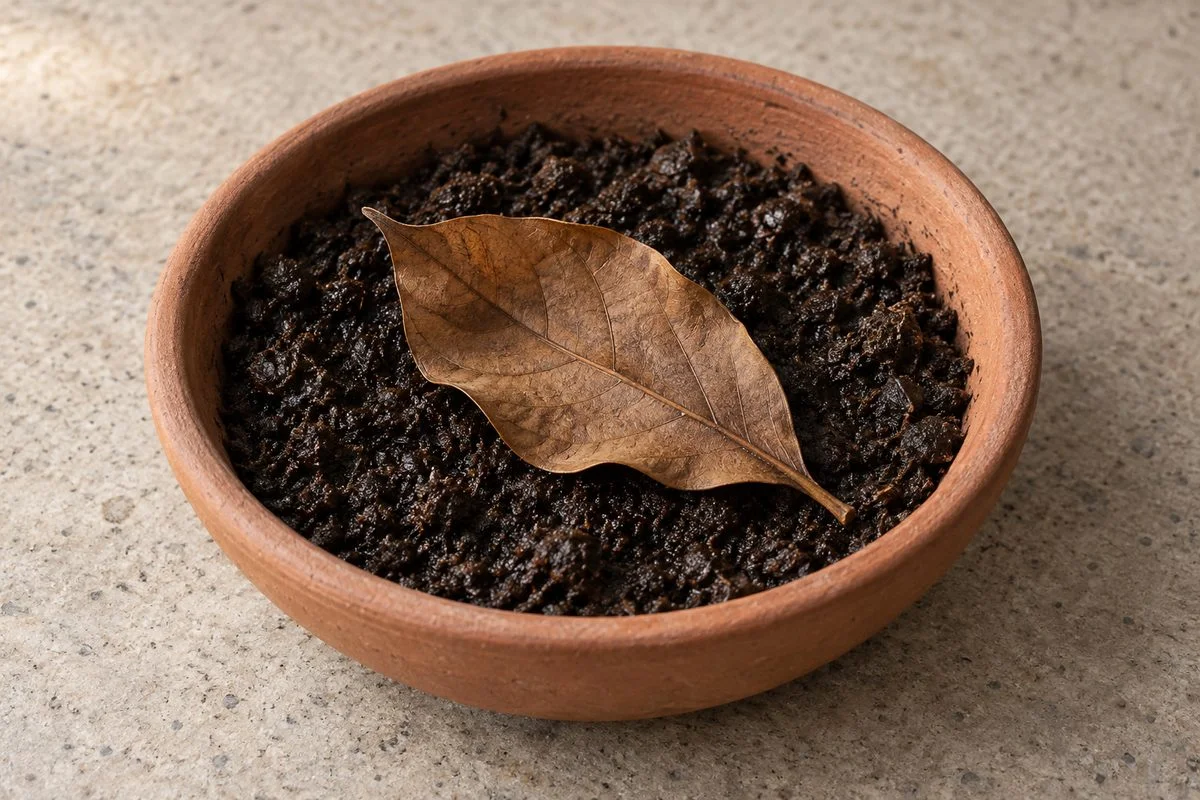
A fallen brown leaf resting on damp soil in a bowl.

7. Decomposers and decomposition

Dead matter breaks down, releasing nutrients that plants can reuse.

Show
Place a fallen leaf on damp soil in a bowl. Leave it outdoors.
Ask
As this leaf breaks down, could its nutrients support another plant?
Say
Over time, decomposer fungi and bacteria break down this leaf, releasing mineral nutrients into the soil. Roots can absorb these nutrients again.
Used in
Decomposition returns nutrients to forest soil, supporting plant growth.
If your child says…“Decomposers only tidy up.”
Ask
Where could nutrients locked inside this leaf go after it breaks down?
What’s true
Decomposition also makes nutrients available for reuse.

Caring for ecosystems

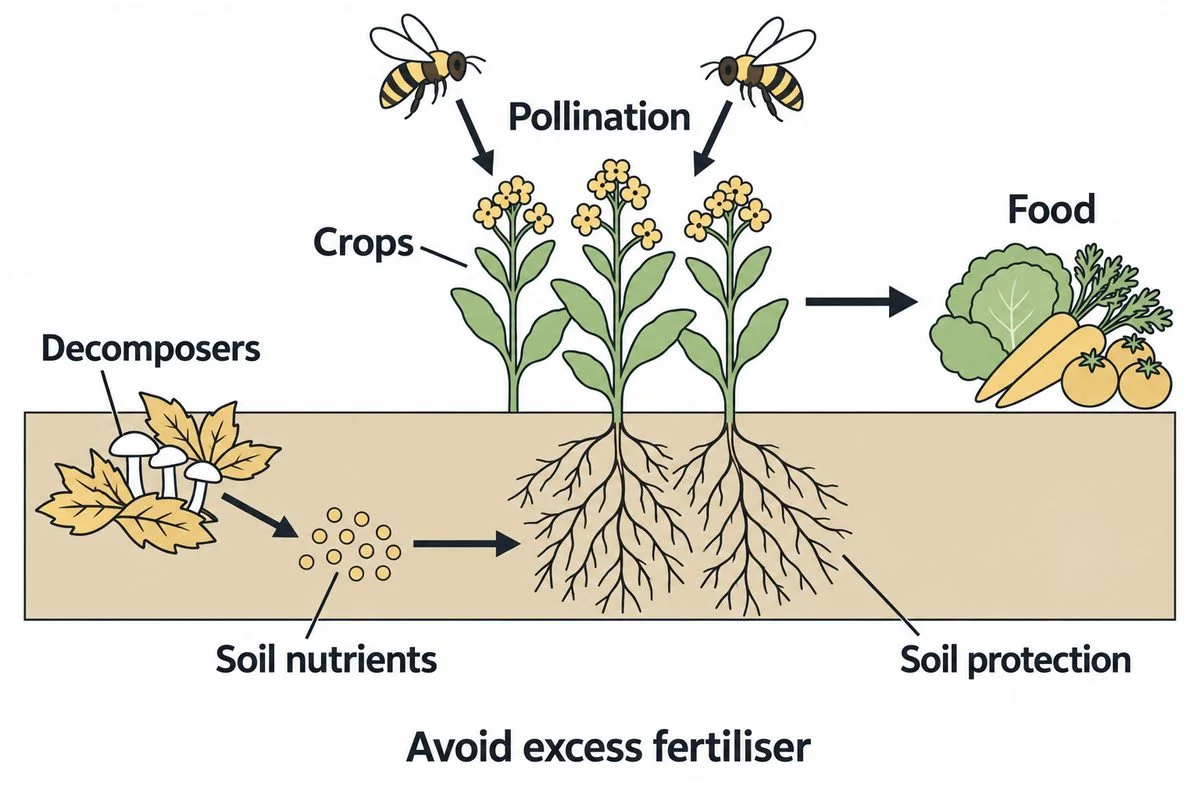
Farm diagram linking food production with pollination, decomposition, soil nutrients and soil protection.

8. Ecosystem benefits and sustainable farming

Ecosystems supply resources and protection; farming needs care that limits damage.

Show
Look at the diagram. Find the crops, bees and harvested food. Follow decomposing leaves through soil nutrients to roots.
Ask
If this farm loses its pollinators and decomposers, what might happen to future harvests?
Say
Future harvests might suffer. Pollination supports many crops. Recycled nutrients also help sustain future harvests.
Used in
Mangrove roots and trunks slow waves, reducing storm damage.
If your child says…“Modern farms look after themselves.”
Ask
Who will sow and tend the next crop?
What’s true
An annual crop field needs continuing management to maintain its planned harvest.

A real problem

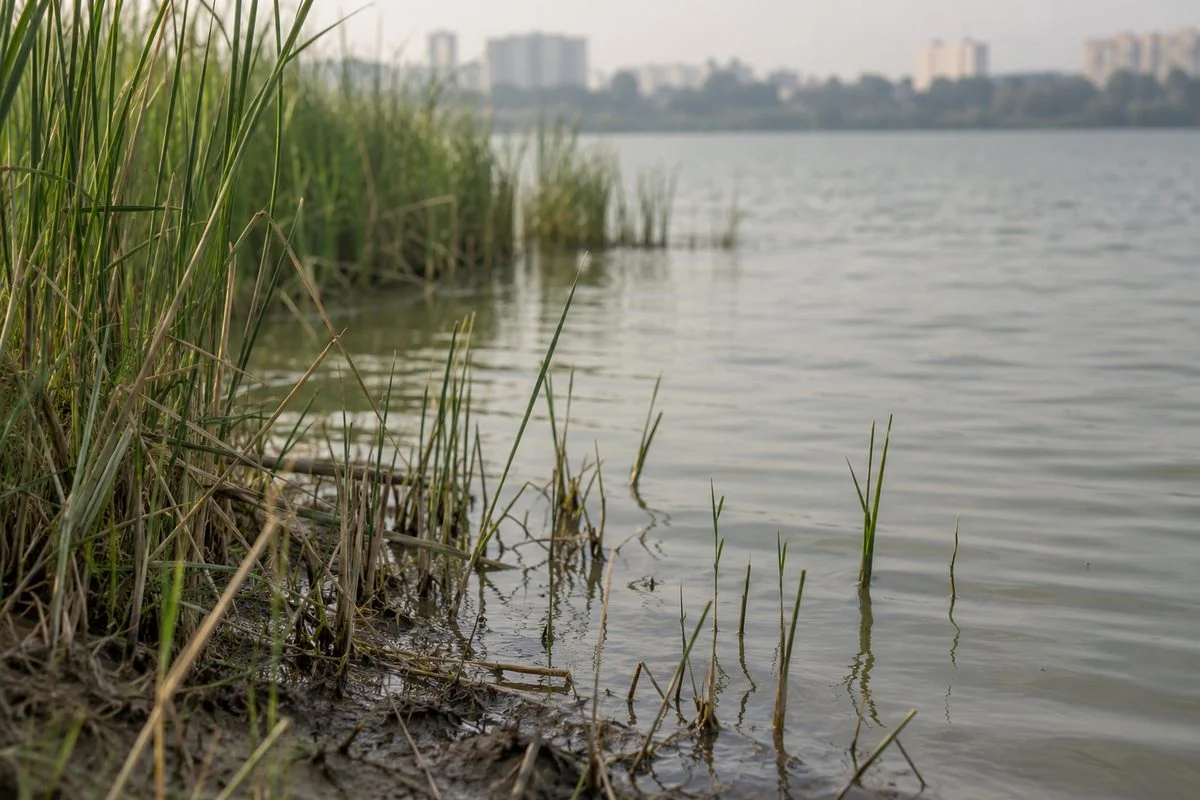
A wetland treatment system helped restore Jakkur Lake.

Pollution, encroachment and sewage dumping had damaged the lake.

Its integrated wastewater treatment system was working from 2009.

Algae take dissolved nutrients into their growing bodies, helping treat wastewater.

Treated water helped restore the ecosystem and replenish nearby wells and borewells.

Indian Institute of ScienceDown To Earth / CSE

Illustrative wetland beside an urban lake, not a verified photograph of Jakkur Lake.

Concept Lab · Common misconception

The tempting mistake in How Nature Works in Harmony

Open standalone misconception page →

Do aquatic animals need oxygen?

Wrong

Fish have no need for oxygen because they live underwater.

Why it feels right. Oxygen seems like something available only in air.

Right

Fish typically take up dissolved oxygen through gills.

Worked example

Oxygen path
Dissolved oxygen in water→Across gills→Blood
Water passing over gills carries dissolved oxygen, which can enter the fish's blood.
  1. Water flows over gills.
  2. Dissolved oxygen moves into the blood.
  3. A drop in dissolved oxygen can make the water unsuitable for fish.

Ask your child eight quick questions.

One per step. The answer and the reason are given.

  1. Could a deer survive with plentiful food if its drinking-water needs cannot be met?

    No. Food cannot replace the water a deer needs.

  2. What do all the plants of one species in this bed form?

    A population. A community includes populations of different species.

  3. Why would a green plant grow poorly without light, even with extra water?

    It cannot make food. Making food requires light, which extra water cannot replace.

  4. An orchid gains support while its tree remains unaffected. Which relationship fits?

    Commensalism. One benefits, while the other is unaffected.

  5. For food moving between hare and leopard, where should the arrowhead point?

    Towards the leopard. The leopard receives food and energy by eating the hare.

  6. Other conditions unchanged, what becomes more available to deer when fewer hares eat grass?

    Grass. Hares and deer share this food supply.

  7. What can roots reuse after decomposers break down fallen leaves?

    Mineral nutrients. Decomposition releases nutrients from the leaves into soil.

  8. A farmer stops sowing and caring for an annual crop field. Should the same planned harvest continue?

    No. Maintaining that harvest requires continued sowing and care.

15 more questions with answers, 1 with pictures