Skip to content

Teach Work, Energy, and Simple Machines in six steps.

For each idea: show it, ask before you tell, then say one line.

Gather a light bag, book, stable box, empty steel cup, paper and pencil, with a table and hinged door nearby.

Push the door gently, keeping fingers away from the hinge gap.

Common misconceptions & worked visual for this chapter · 8 practice questions with answers

Why it matters

  • Holding a bag still involves no mechanical work on the bag.
  • Friction slows a box sliding across a stationary surface, changing movement energy into heat.
  • A ramp makes lifting easier by spreading the effort over a longer distance.

What to teach

How to teach it

Work and movement

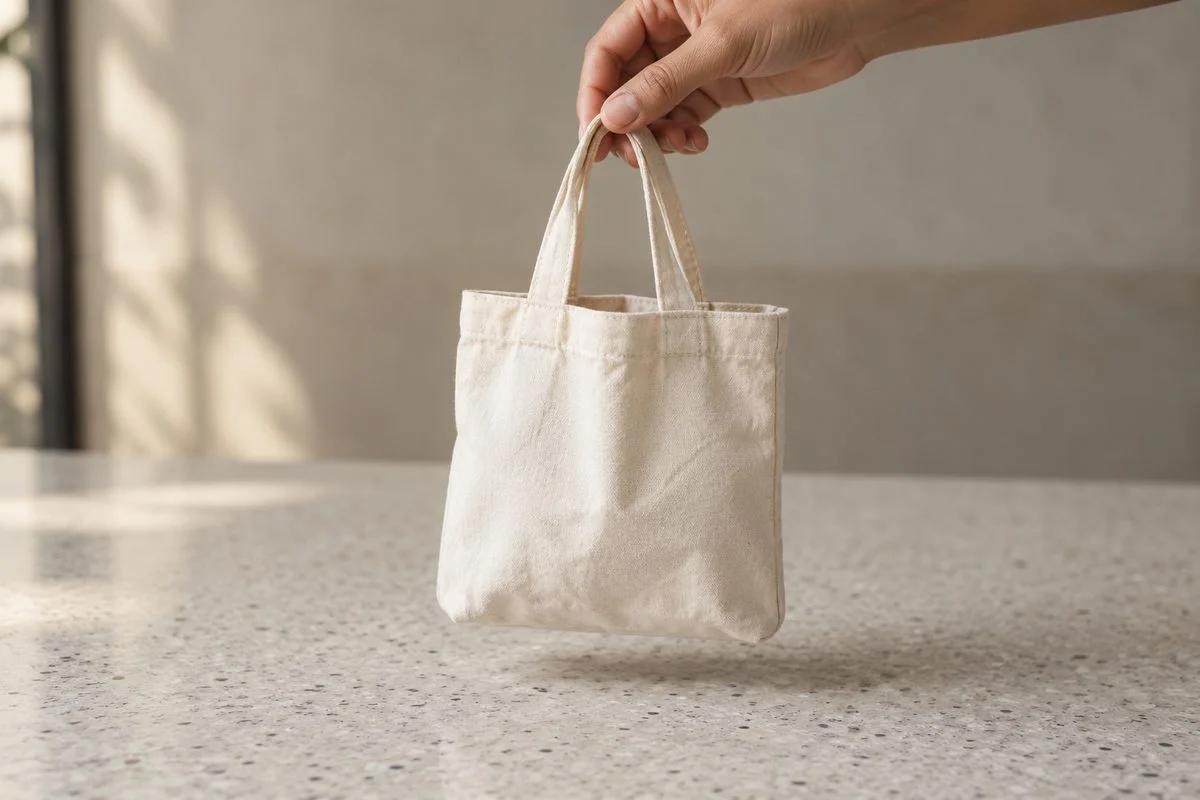
One hand holds a cloth bag above a table.

1. Work by a constant force

A force does work through movement along or against its direction.

Show
Hold a light bag still above the table.
Ask
If the bag stays still, will your supporting force do work on it?
Say
Your pull does no work while the bag stays still.
Used in
A crane does work on a load as it raises it onto a building.
If your child says…“I'm pulling upward, so I'm doing work on it.”
Ask
How far has the bag moved?
What’s true
Without displacement, the supporting force does zero work on the bag.
Ki=12×2×22=4 JK_i=\tfrac12\times2\times2^2=4\,\mathrm{J}

Kf=12×2×42=16 JK_f=\tfrac12\times2\times4^2=16\,\mathrm{J}

2. Kinetic energy and the work-energy theorem

Movement energy. Net work adds up the work of all forces.

Show
Write these lines for a block sliding without turning. Say, “Kinetic energy equals half the mass times speed squared.” Name KiK_i starting energy and KfK_f final energy.
Ask
How much net work speeds this 2 kg block from 2 m/s to 4 m/s?
Say
The net work is 12 J: final kinetic energy minus starting kinetic energy. Doubling this block's speed quadruples its kinetic energy.
Used in
A moving hammer carries energy that drives a nail into wood.
If your child says…“Twice the speed means twice the energy.”
Ask
What happens to speed × speed when both factors double?
What’s true
At unchanged mass, doubling speed makes kinetic energy four times as large.

Stored energy and energy changes

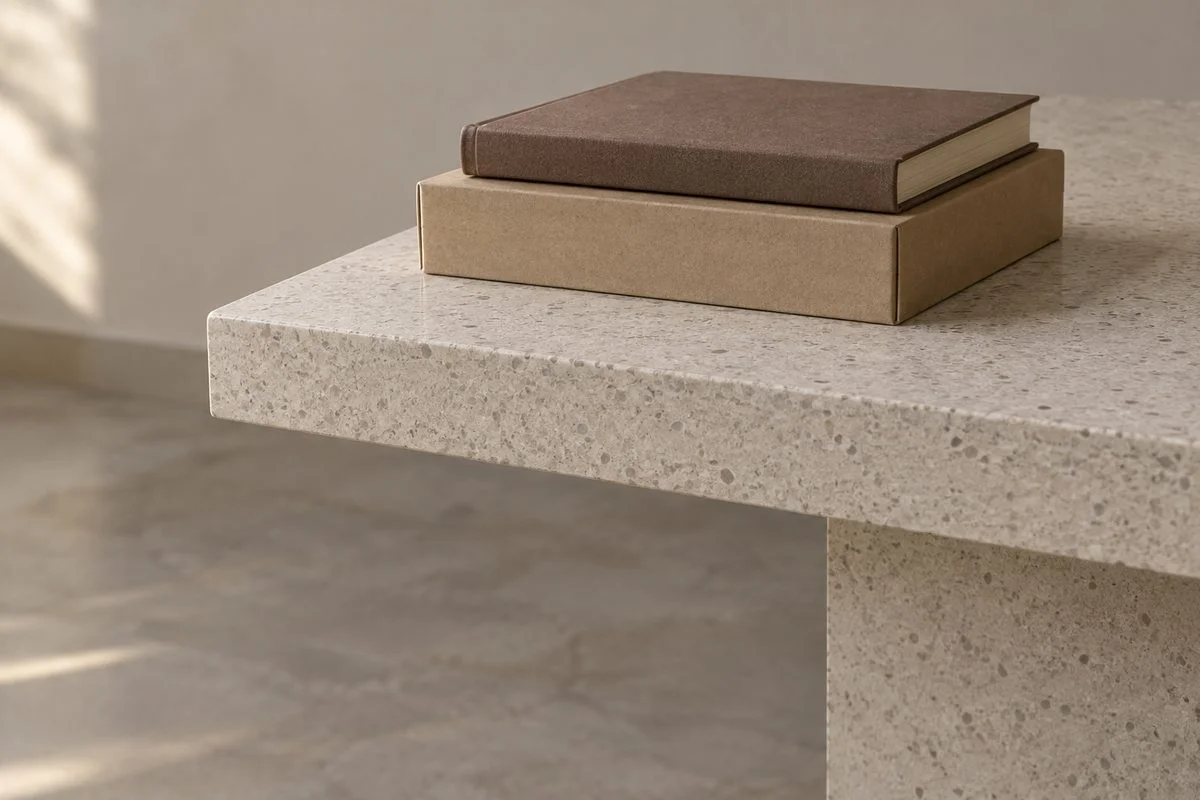
A book rests on a box above the tabletop, with the floor visible.

3. Gravitational potential energy

Energy stored by height above a chosen zero level.

Show
Place a book on a box standing on the table.
Ask
Will choosing the floor or tabletop as zero give the same potential energy?
Say
Measured from the floor, the book's height is greater, so its calculated potential energy is greater. Changing the zero level changes this value without adding energy to the book.
Used in
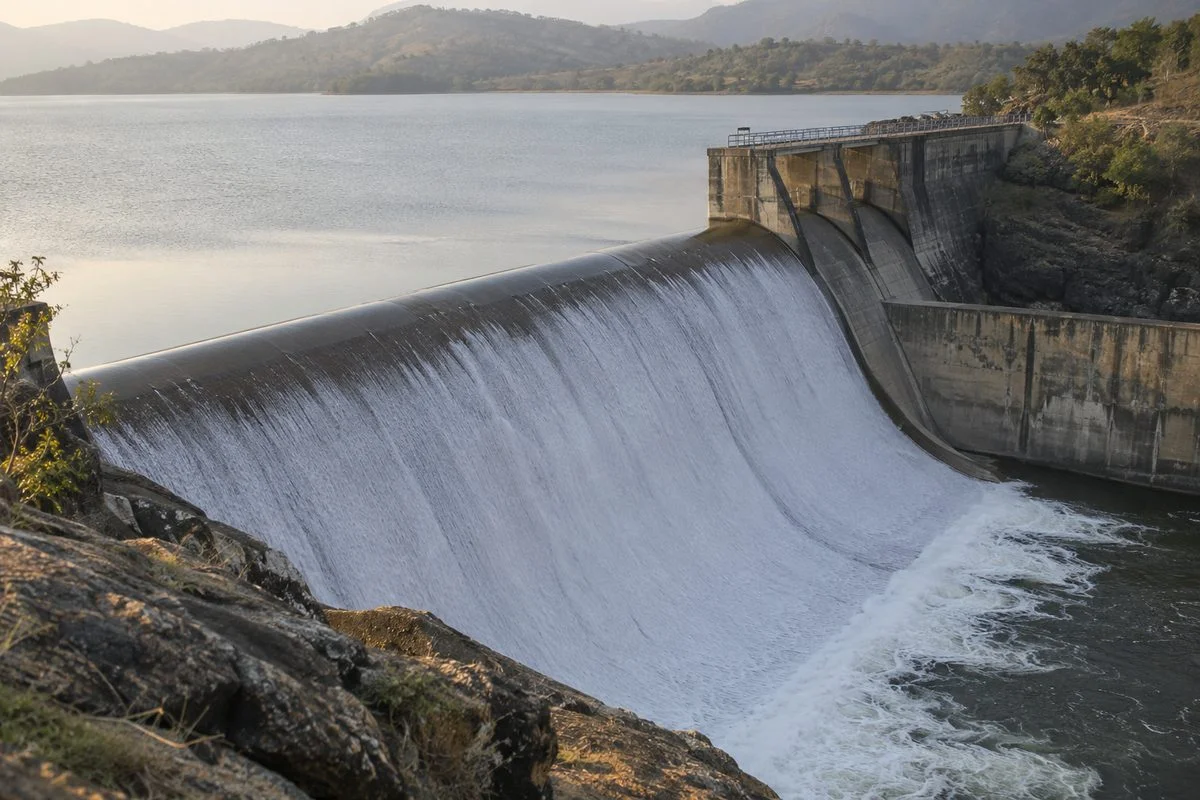
Hydroelectric dams use stored water's potential energy to generate electricity.
If your child says…“The book's potential energy has one fixed value.”
Ask
Is the book equally far above the floor and tabletop?
What’s true
The chosen zero determines which height enters the calculation.
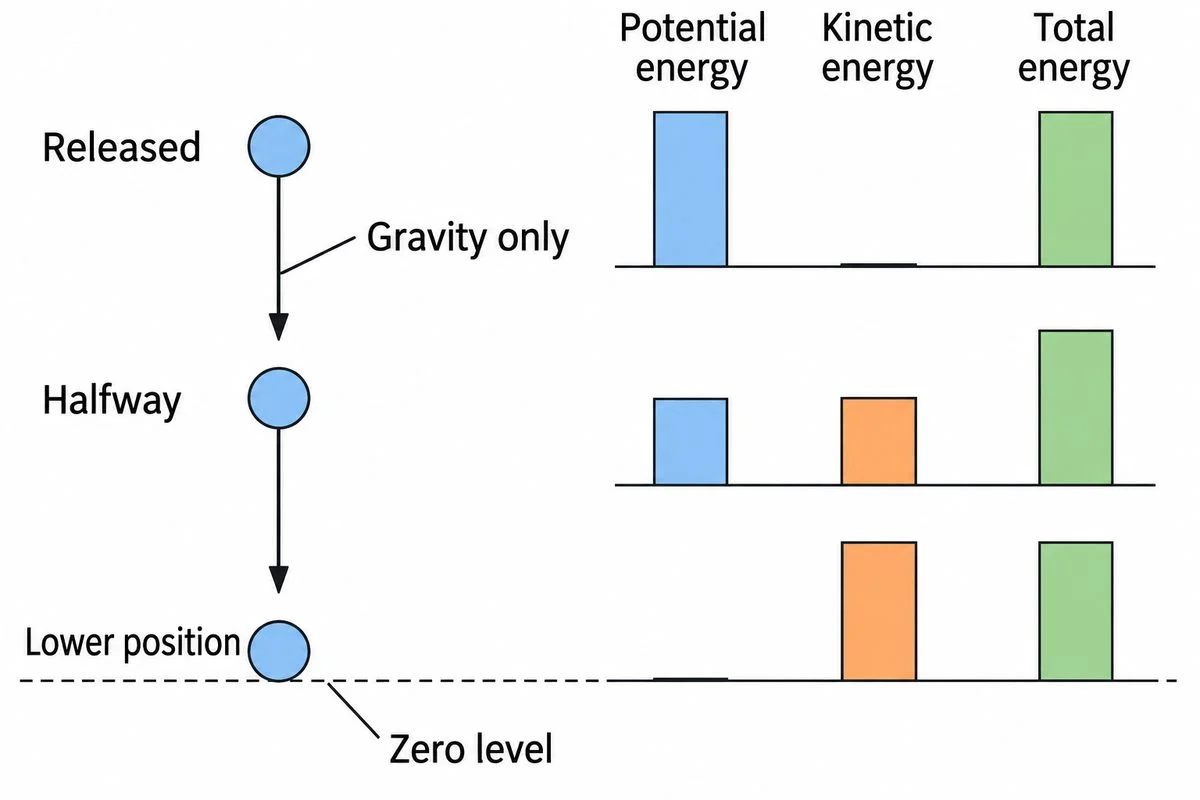
Falling ball with changing potential and kinetic energy bars and unchanged total energy bars.

4. Conservation of mechanical energy

With only gravity acting, potential plus kinetic energy stays constant.

Show
Look at the diagram. Follow the ball downward and compare its potential and kinetic energy bars. Find the total energy bars.
Ask
As this ball loses height and gains speed, what will stay unchanged?
Say
Its total mechanical energy stays unchanged. Each loss of potential energy gives an equal gain in kinetic energy.
Used in
A pendulum exchanges height energy and movement energy, helping a clock keep time.
If your child says…“Even without air resistance, some of the ball's total energy disappears as it falls.”
Ask
How do the total energy bars compare as the ball falls?
What’s true
Energy changes form during a fall without disappearing.

Power and machines

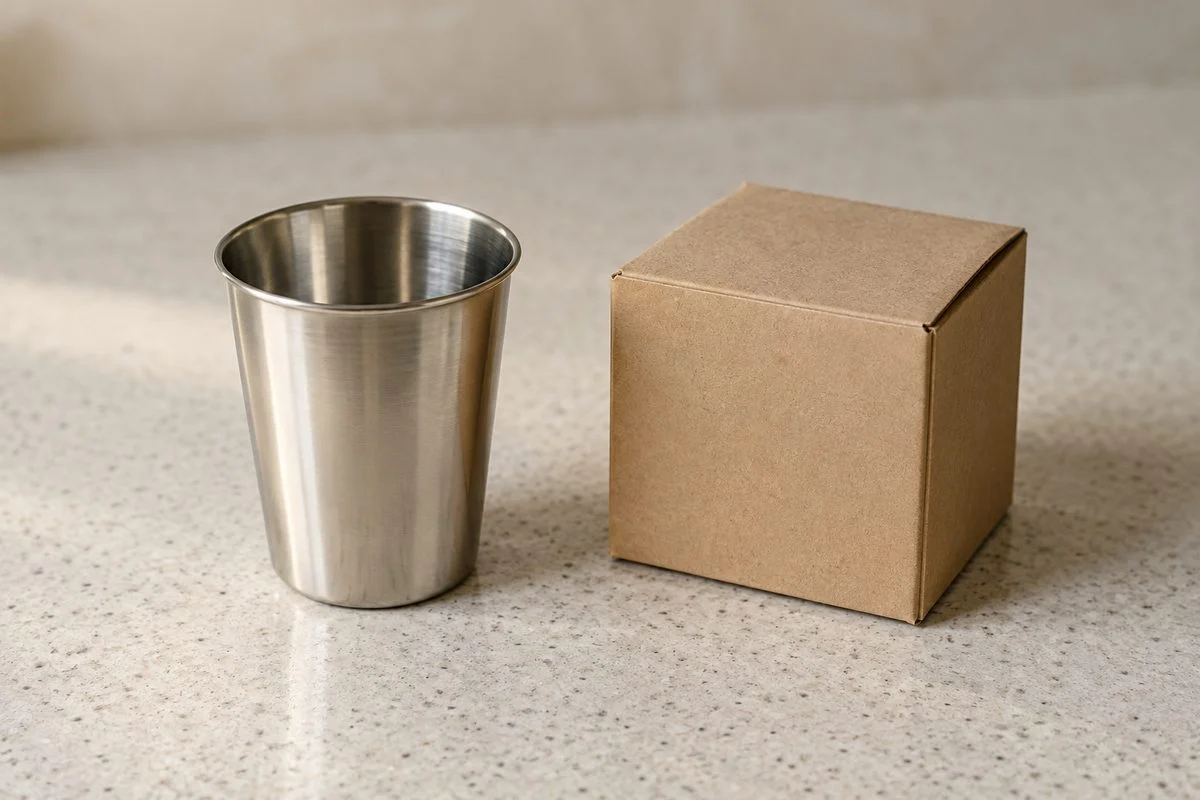
An empty steel cup stands beside a box.

5. Power

How quickly work is done.

Show
Place an empty steel cup beside the box. After predicting, lift it onto the box slowly. Repeat from the same starting place more quickly. Start and finish each lift with the cup still.
Ask
Will the two lifts need equal or different amounts of work against gravity?
Say
The quicker lift does the same work in less time.
Used in
A more powerful pump can lift the same water through the same height faster.
If your child says…“Taking longer means doing less work.”
Ask
Did lifting more slowly change the cup's final height?
What’s true
Raising the same cup through the same height requires unchanged work against gravity.
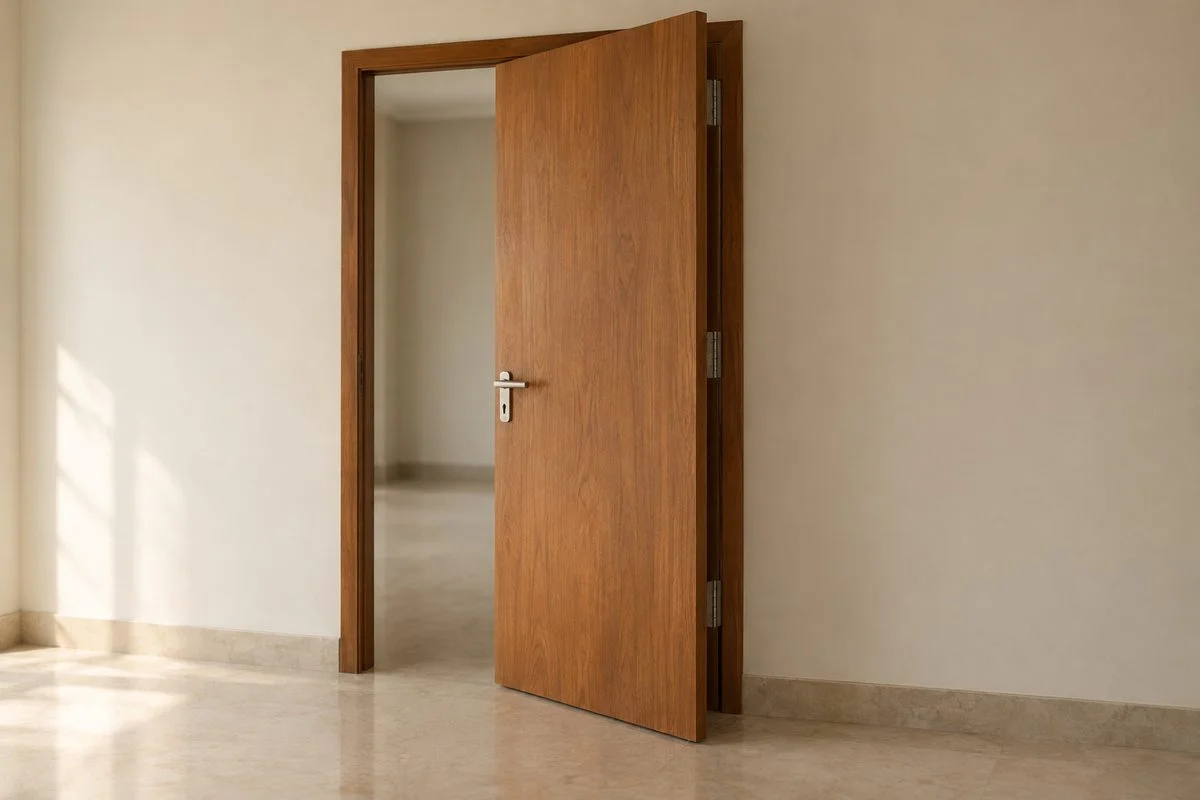
A partly open wooden door with its handle, flat face and hinges visible.

6. Simple machines

Devices that change force size or direction without creating energy.

Show
Keep fingers away from the hinge gap. After predicting, push a partly open door near its handle. Repeat a handspan from the hinges, comparing effort and distance for the same opening.
Ask
Which push will feel easier?
Say
Near the handle, less force moves your hand farther.
Used in
Ramps reduce lifting force by increasing travel distance.
If your child says…“The door supplies extra energy.”
Ask
Which part of the door moved farther during the easier push?
What’s true
A lever allows less force over more distance, while your push supplies the energy.

A real problem

Stored water helps supply electricity.

Bhakra Dam was completed in 1963.

Its electricity goes to partner states.

Hydroelectric dams capture water's potential energy through turbines to generate electricity.

WikipediaU.S. Department of Energy

Water flows downhill from a reservoir beside a hydroelectric dam.

Concept Lab · Common misconception

The tempting mistake in Work, Energy, and Simple Machines

Open standalone misconception page →

Does holding a heavy load do mechanical work on it?

Wrong

I do mechanical work on a bag because my arms get tired while I hold it still.

Why it feels right. Effort feels like work.

Right

Work by a force on an object depends on its displacement.

Worked example

The held bag stays at the same height. Lifting the other bag moves it 1 m along the force direction.
  1. Hold the bag at the same height.
  2. Its displacement is zero.
  3. Lift it 1 m and the upward force does work on the bag.

Ask your child six quick questions.

One per step. The answer and the reason are given.

  1. While you hold the bag still, how much work does your supporting force do?

    Zero. The bag has no displacement, even though your supporting force acts.

  2. The same block slides twice as fast. What happens to its kinetic energy?

    It quadruples. Both speed factors double while mass stays unchanged.

  3. The book stays still. What happens to its potential energy when zero moves from the floor to the tabletop?

    It decreases. Its height above the chosen zero decreases, even though the book stays still.

  4. Without air resistance, what happens to the ball's total mechanical energy during its fall?

    It stays constant. The kinetic energy gained equals the potential energy lost.

  5. The same cup reaches the same height more slowly. What happens to work against gravity?

    It stays the same. The work stays the same, but average power decreases.

  6. Does the door create extra energy when you push it open?

    No. Your push transfers energy to the door.

8 more questions with answers