1. Measurement and SI units
A measurement gives a number alongside an agreed unit.
- Show
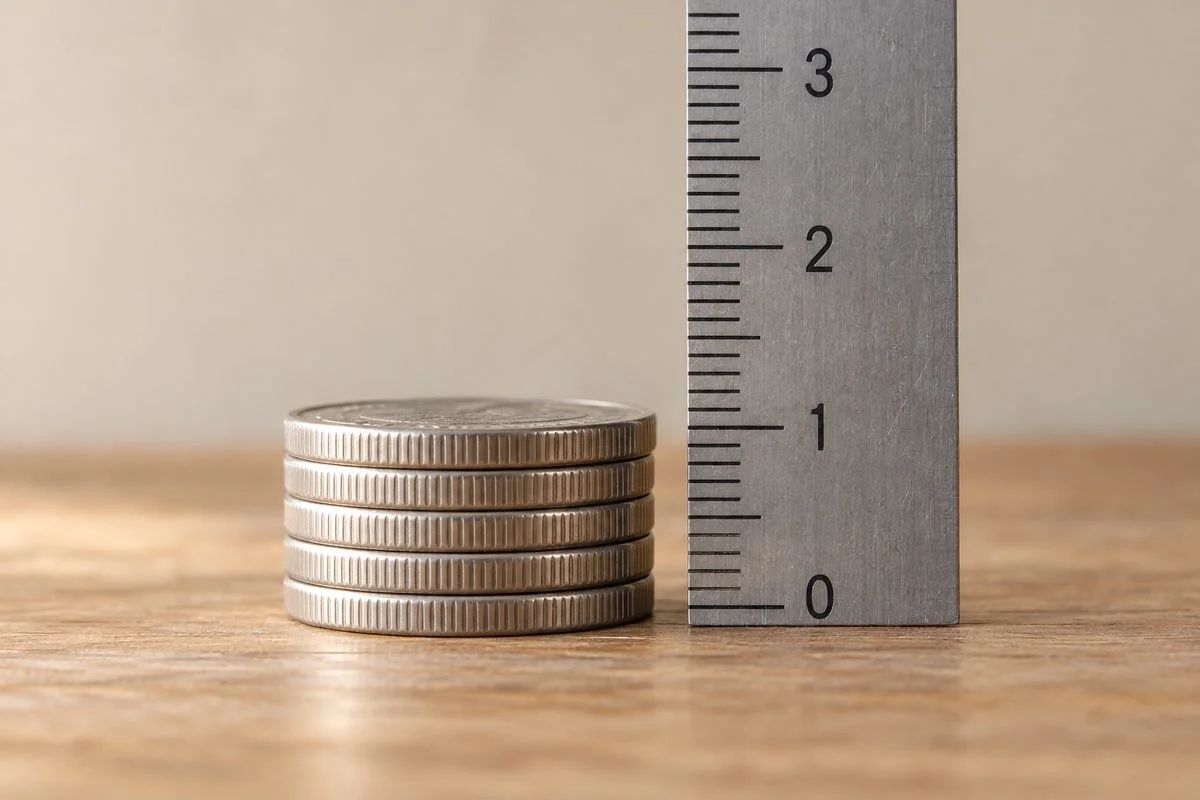
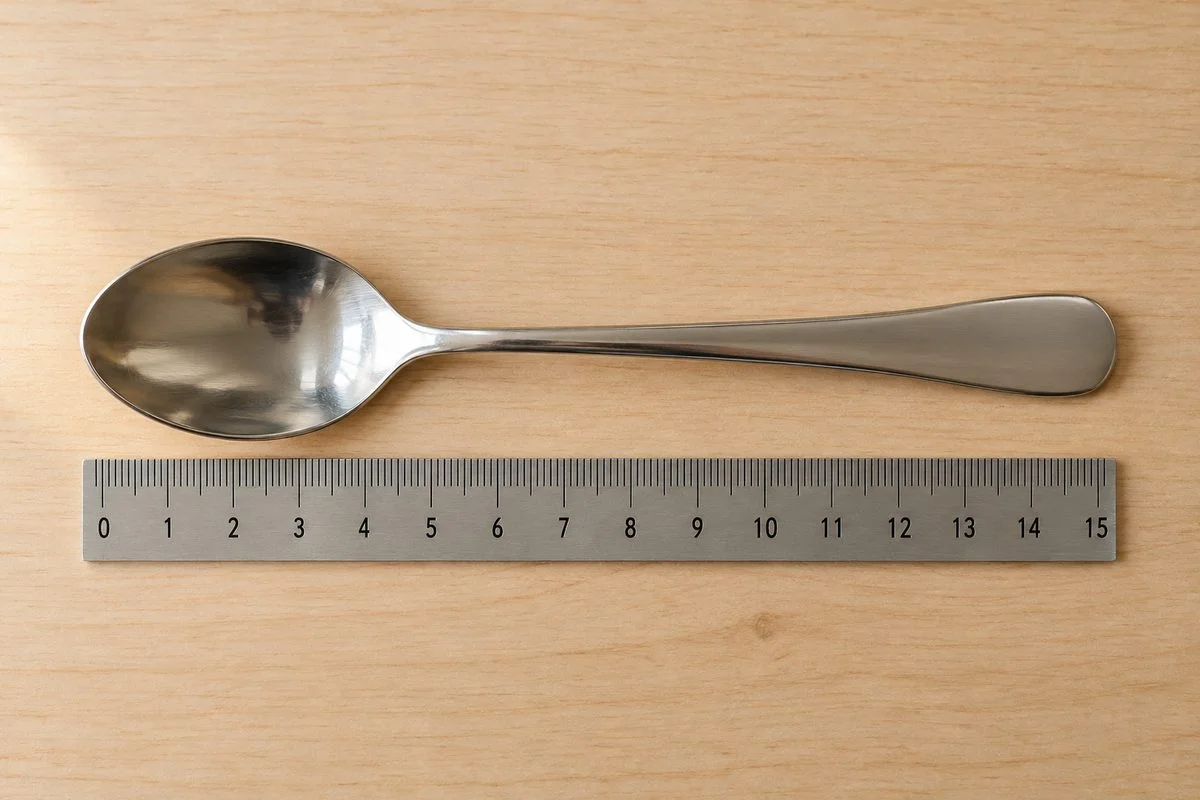
- Place a spoon beside a ruler, with one end at zero. Read its length in centimetres. Divide that number by 100 to express the same length in metres.
- Ask
- Will using centimetres make the spoon’s measured number larger?
- Say
- Yes, smaller units need larger numbers for the same quantity.
- Used in
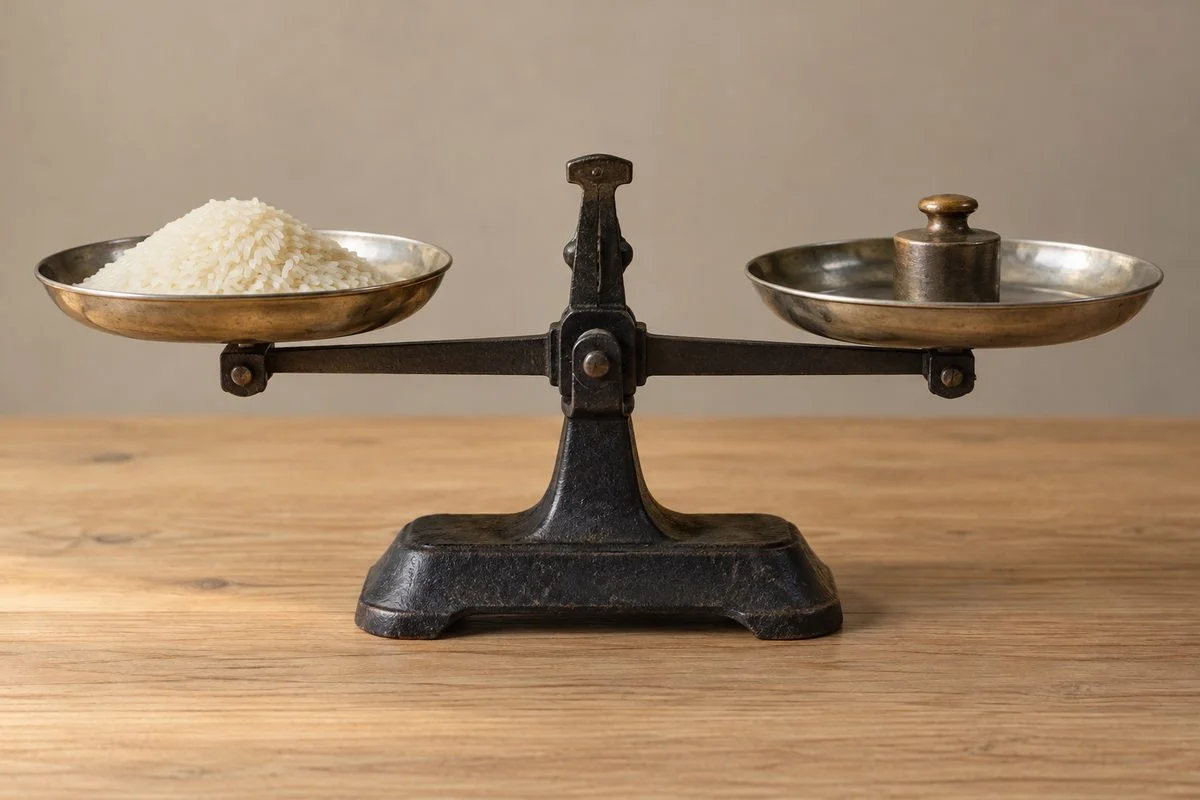
- Laboratories use specialised equipment to establish mass standards from the kilogram’s stable definition.
If your child says…“Changing the unit leaves the number unchanged.”
- Ask
- Would smaller units need more repetitions to span this spoon?
- What’s true
- The number changes to compensate for the unit’s size.