Skip to content

Teach Animal Kingdom in eight steps.

For each idea: show it, ask before you tell, then say one line.

Gather paper and a pencil; observe nearby animals and an intact fish already available.

Common misconceptions & worked visual for this chapter · 15 practice questions with answers

How to teach it

Recognise body plans

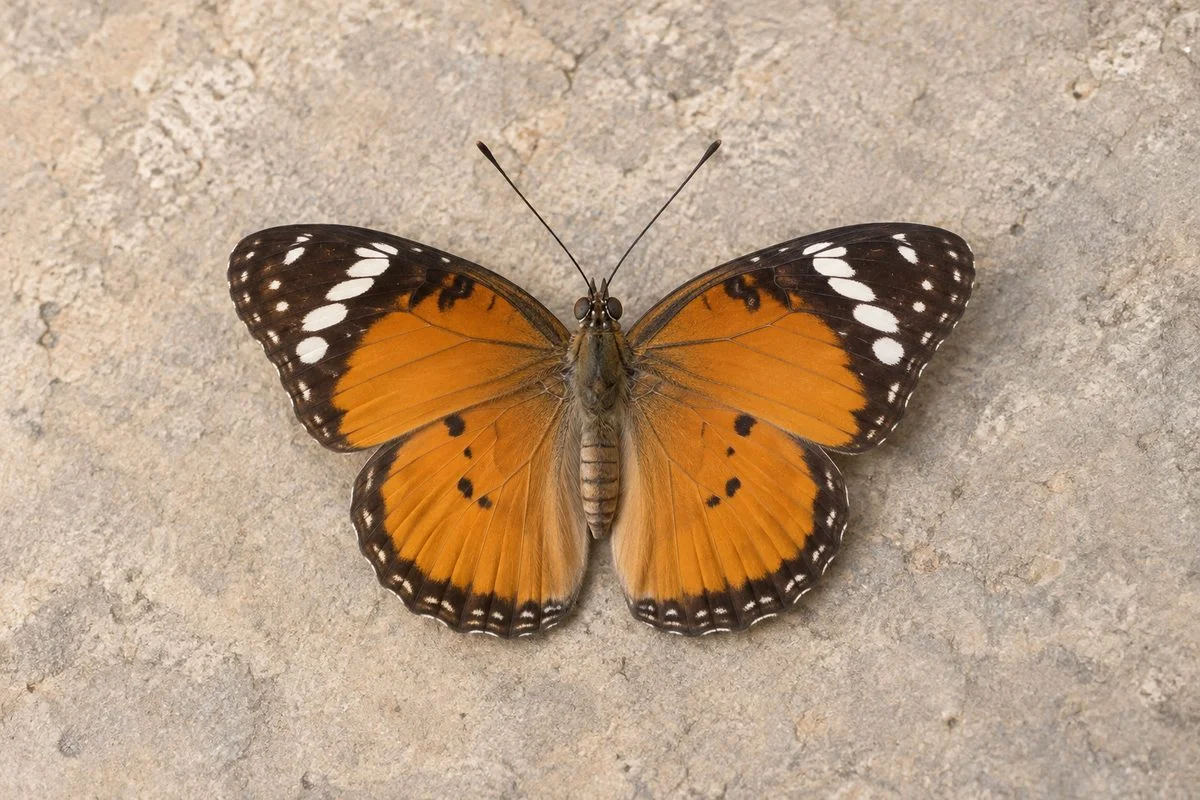
Resting butterfly viewed from above with wings spread.

1. Bases of Classification

Body features and internal organisation help distinguish animal groups.

Show
Watch a butterfly resting with its wings spread, without touching it. Trace a line in the air down its centre, from head to rear.
Ask
Would this division give matching halves?
Say
Yes; matching left and right sides show bilateral symmetry.
Used in
Body features help gardeners identify animals before deciding how to protect plants.
If your child says…“Any division through the middle gives matching halves.”
Ask
Would a division across the butterfly match its front with its rear?
What’s true
Bilateral symmetry has one matching left–right division; radial symmetry allows many through the central axis.
Compare invertebrate groups

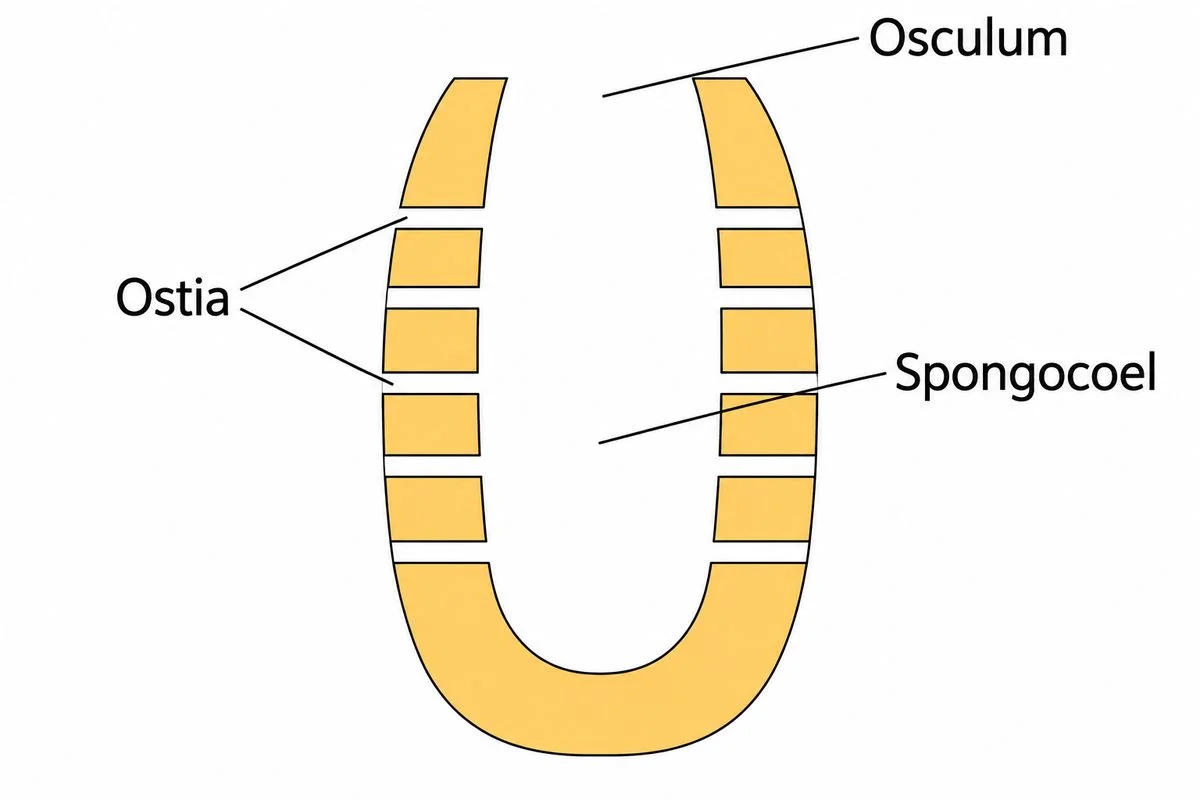
Pencil sketch of a tubular sponge with side pores and an upper opening.

2. Porifera, Coelenterata (Cnidaria) and Ctenophora

Sponge water currents, cnidarian stinging cells and ctenophore combs serve different jobs.

Show
Look at the sponge diagram. Find the small side pores, central space and large upper opening.
Ask
How could food reach this attached animal?
Say
Sponge cells drive food-bearing water through side pores; water leaves through the top opening.
Used in
Water currents bring food to attached sponges, allowing them to feed without chasing prey.
If your child says…“Water enters through the big top opening.”
Ask
Where should an outward arrow go on your sketch?
What’s true
Water enters through ostia, the small pores, and exits through the osculum, the large opening.
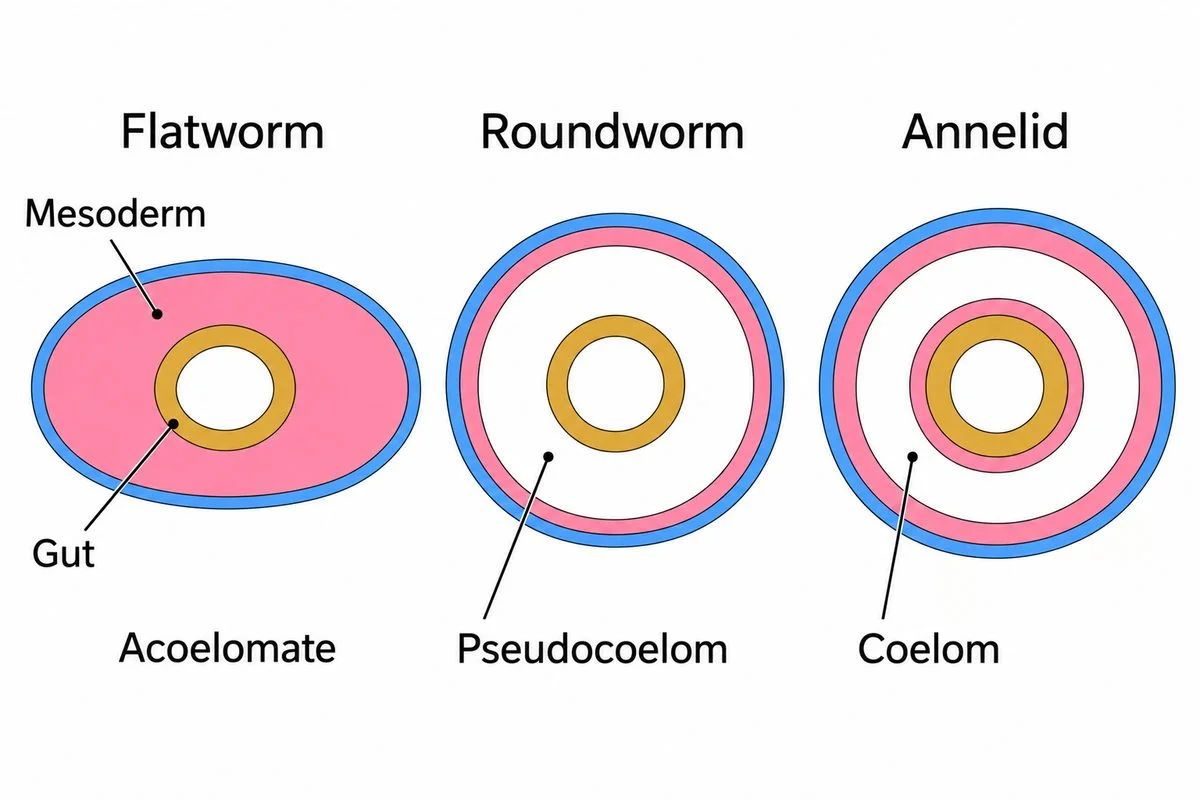
Worm cross-sections compare absent, incompletely lined and completely lined body cavities.

3. Platyhelminthes, Aschelminthes and Annelida

Worm groups differ in the space between gut and body wall.

Show
Look at the diagram from flatworm to annelid. Compare the spaces and coloured tissue around each gut.
Ask
Would these worms' similar outward shapes mean their insides are arranged alike?
Say
No. Flatworms have no body cavity. Roundworms have a pseudocoelom, a cavity incompletely lined by mesoderm. Annelids have a coelom, a cavity completely lined by mesoderm.
Used in
Internal features help identify parasitic worms, supporting disease prevention.
If your child says…“The roundworm's cavity has a complete lining too.”
Ask
Where is the mesoderm lining around the roundworm's gut?
What’s true
A roundworm's cavity lacks the complete mesoderm lining that defines a coelom.
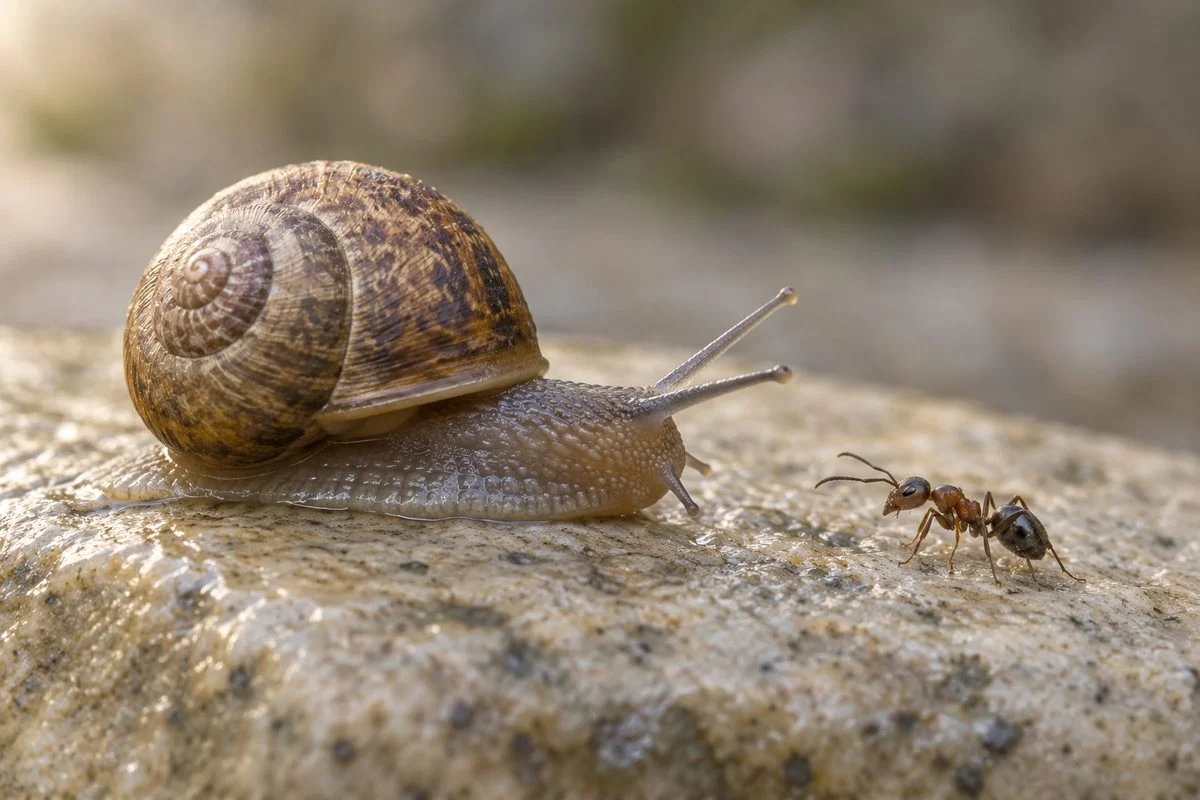
A snail and an ant moving across a damp garden stone.

4. Arthropoda and Mollusca

Arthropods have jointed limbs; molluscs typically have a muscular foot.

Show
Observe an ant and a snail when each is already nearby. Separate visits are fine. Leave both undisturbed.
Ask
Which animal will move by bending joints?
Say
The ant will move by bending its jointed limbs. A snail's foot moves it.
Used in
A snail's radula scrapes food, helping it feed on plant surfaces.
If your child says…“The snail moves with its mantle.”
Ask
Which broad part slides against the ground?
What’s true
The muscular foot supports movement; the mantle is a covering fold.
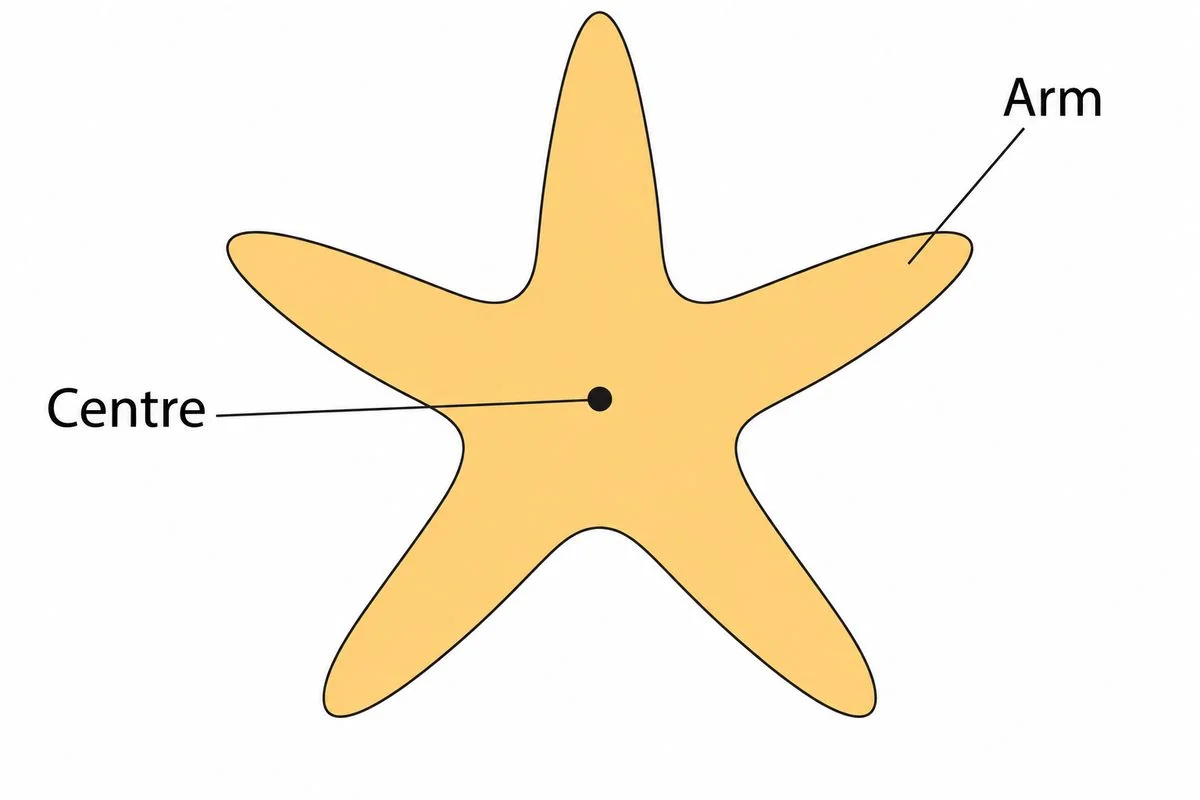
Pencil outline of a sea star viewed from above.

5. Echinodermata and Hemichordata

Adult echinoderms are radial; hemichordates have proboscis, collar and trunk.

Show
Look at the sea-star diagram. Find its centre and compare how the arms spread around it.
Ask
Would only one division through the centre give matching halves?
Say
No; the adult sea star is radial.
Used in
Sea stars use water-operated tube feet for movement, feeding and gas exchange.
If your child says…“A sea star has the same symmetry throughout life.”
Ask
Does this adult outline tell us what its larva looks like?
What’s true
Sea-star larvae have bilateral symmetry, with matching left and right halves. Adults have radial symmetry, with parts arranged around a centre.

Distinguish chordate groups

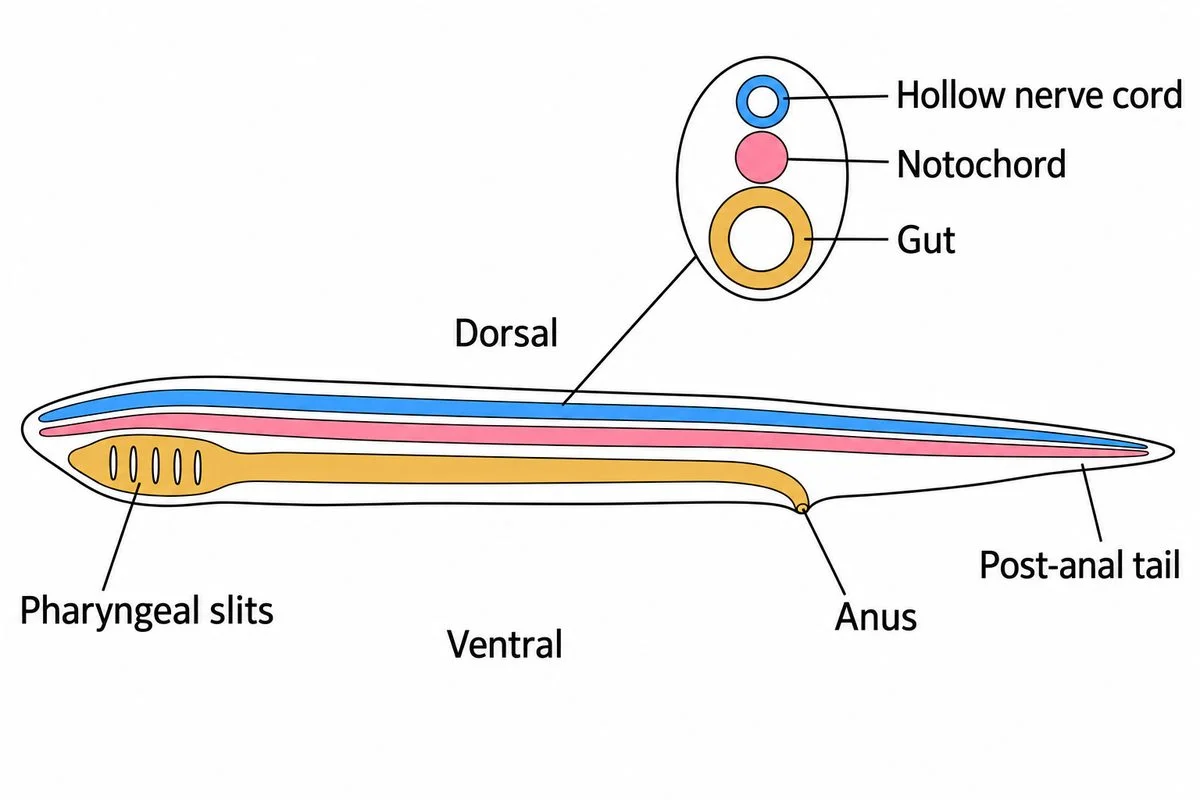
Chordate diagram shows a hollow nerve cord above the notochord and gut.

6. Chordata

Chordates have a supporting notochord at some stage of life.

Show
Look at the diagram. Find the nerve cord above the notochord. Compare their inset sections.
Ask
Would this internal arrangement identify a chordate despite a different outward shape?
Say
Chordates have a notochord supporting the body beneath a hollow nerve cord.
Used in
Jaws distinguish jawed vertebrates from jawless ones, helping identify animal specimens.
If your child says…“The main nerve cord is solid and underneath.”
Ask
Which structure is hollow and above the supporting rod?
What’s true
A chordate's main nerve cord is single, hollow and dorsal, above the notochord.
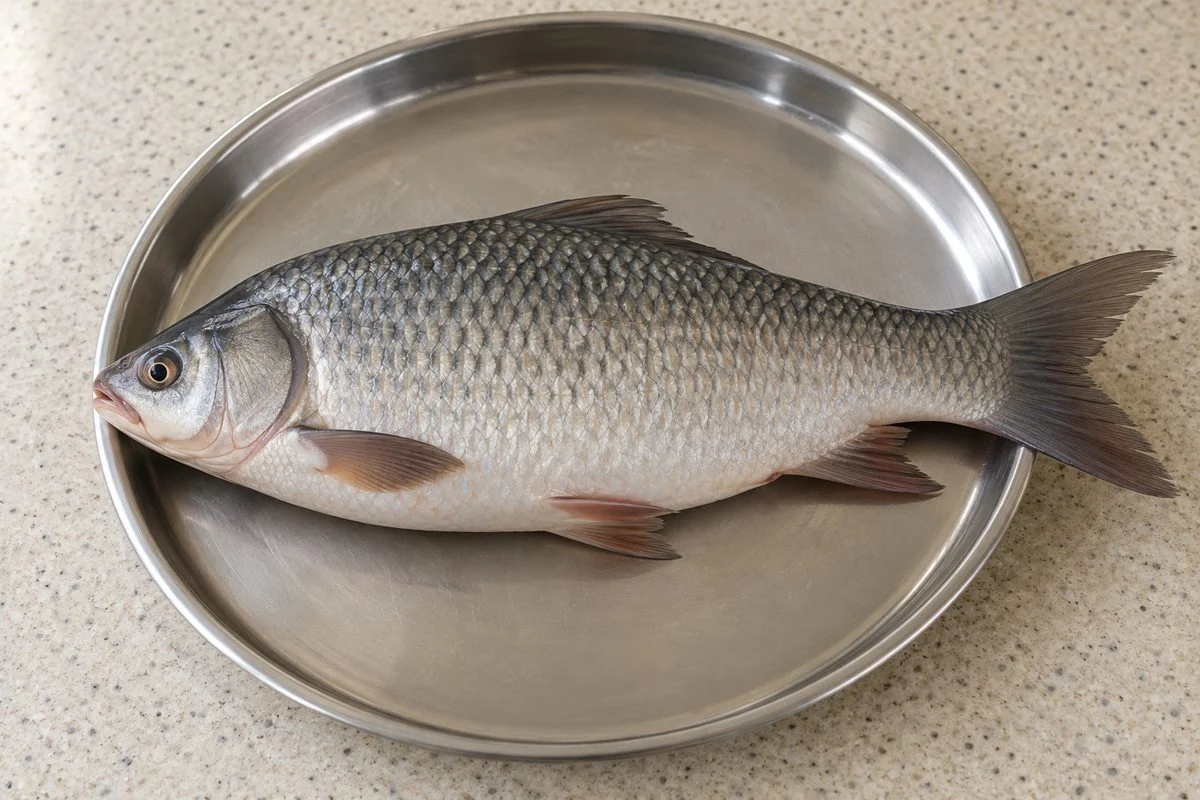
Intact rohu lying sideways on a steel tray.

7. Cyclostomata, Chondrichthyes and Osteichthyes

Fish groups differ in jaws, skeleton material and gill coverings.

Show
Look at an intact bony fish already available at home or a market. Locate the flap behind its head without handling it.
Ask
What would you expect beneath that flap?
Say
The operculum covers the gills.
Used in
Gill coverings help identify familiar food fishes at a market.
If your child says…“The air bladder does the breathing.”
Ask
Which structure meets the surrounding water beneath the cover?
What’s true
Gills exchange gases with water; the air bladder helps a typical bony fish control floating depth.
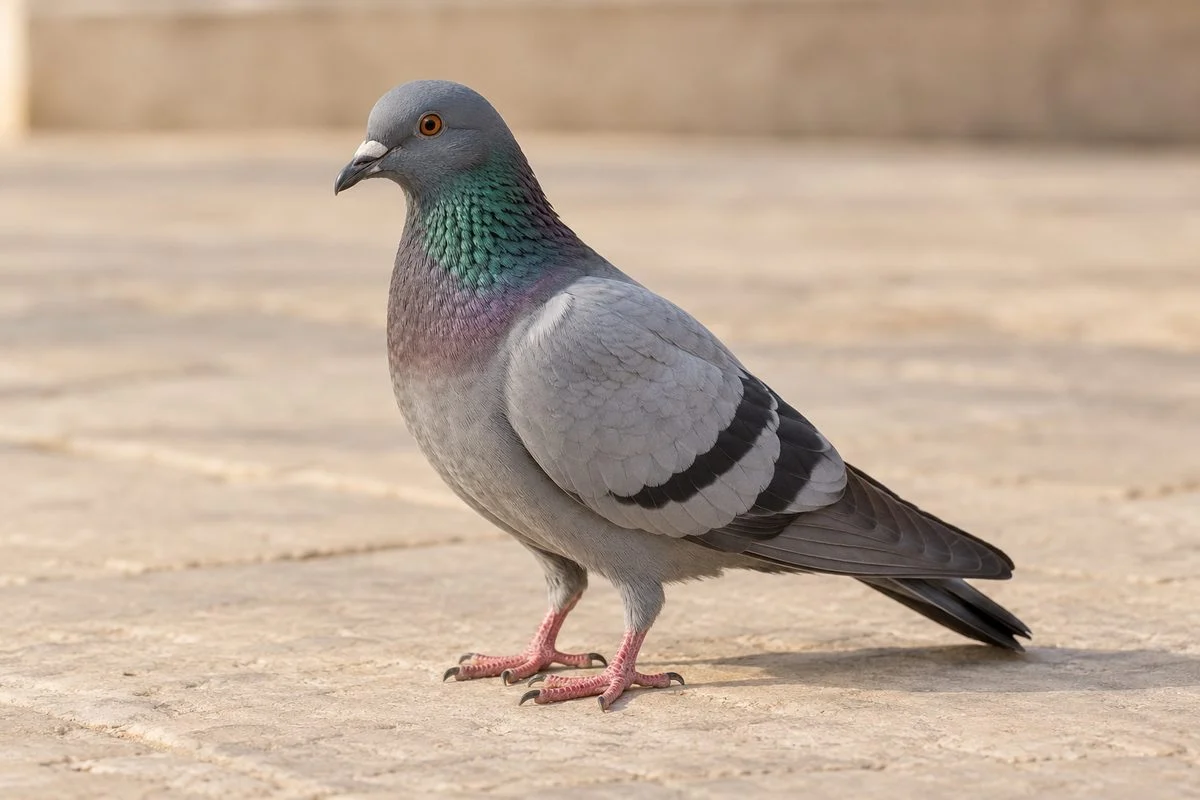
Pigeon standing in a courtyard with its wings folded.

8. Amphibia, Reptilia, Aves and Mammalia

Body features distinguish these groups more reliably than movement or habitat.

Show
Watch a pigeon resting nearby. Point out its feathers, beak and folded wings without approaching it.
Ask
Which feature would still identify it as a bird if it never flew?
Say
Feathers identify birds.
Used in
Birds' air sacs move air through their lungs, supporting breathing.
If your child says…“An animal must fly to be a bird.”
Ask
Does staying on the ground remove a bird's feathers?
What’s true
An ostrich remains a bird because it has feathers, despite being unable to fly.

A real problem

India was certified free of guinea-worm disease in 2000.

A parasitic nematode causes guinea-worm disease.

People usually become infected by drinking water containing infected water fleas.

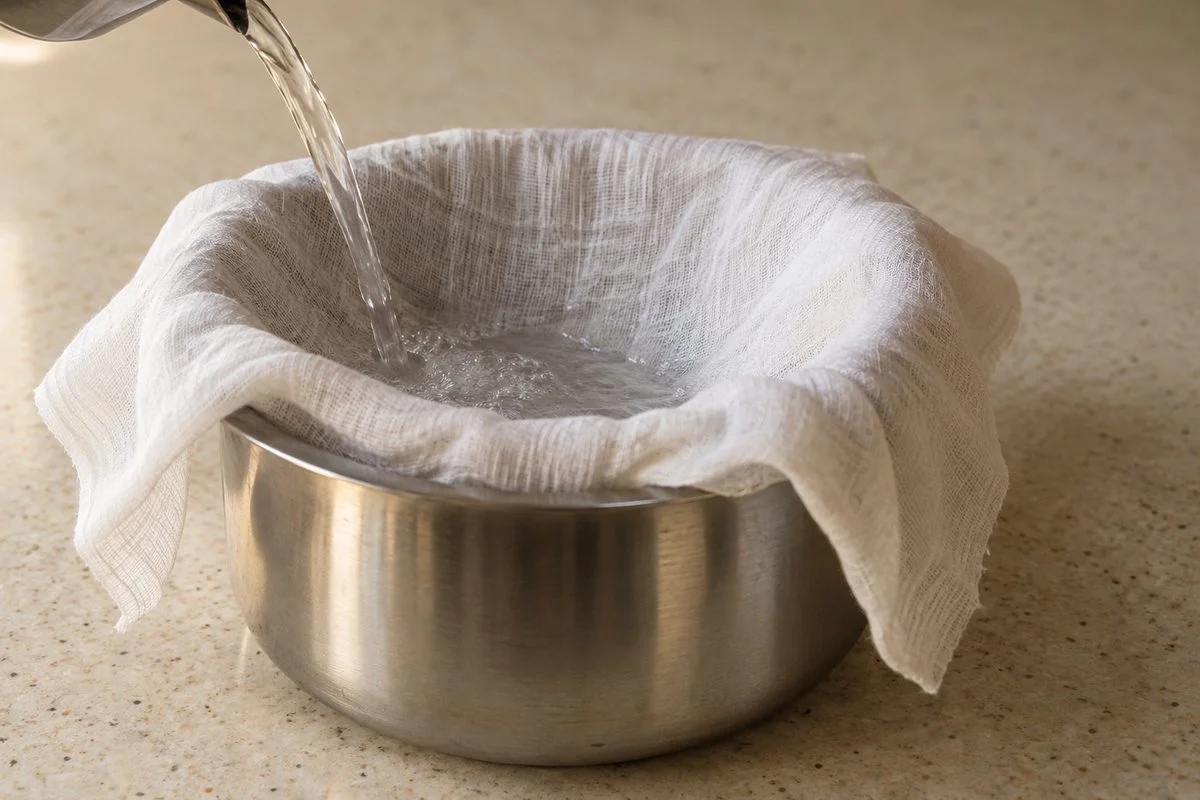
India's programme used cloth or nylon strainers to remove these water fleas from drinking water.

WHO certified India free of guinea-worm disease in 2000.

The Carter CenterWHONCDC

Water pouring through a cloth strainer into a steel pot.

Concept Lab · Common misconception

The tempting mistake in Animal Kingdom

Open standalone misconception page →

Do wings and a streamlined shape make bats and birds one animal class?

Wrong

A bat belongs in the same animal class as birds because both fly with wings.

Why it feels right. Flight is the most visible feature, so I use it as the deciding trait.

Right

Classification uses a set of defining features. Similar functions can appear in different groups.

Worked example

Bat
Wings→Hair and milk→Mammal
Bird
Wings→Feathers→Bird
Both fly, but their defining traits lead to different classes.
  1. A bat has hair and nurses its young, characteristic mammalian features.
  2. A bird has feathers.
  3. Both have forelimbs adapted for flight, yet they belong to different vertebrate classes.

Ask your child eight quick questions.

One per step. The answer and the reason are given.

  1. Why would dividing a butterfly across its middle fail to give matching halves?

    Front and rear differ. Its matching parts lie on opposite sides of its length.

  2. Where does water leave a sponge?

    Through the osculum. The large opening carries water out after it enters through small pores.

  3. A worm's cavity lacks a complete mesoderm lining. What type of cavity is it?

    A pseudocoelom. A coelom needs a complete mesoderm lining.

  4. Which part carries a snail forward across the ground?

    Its muscular foot. The foot supports movement; the mantle covers the visceral hump.

  5. Which symmetry does a sea-star larva have?

    Bilateral symmetry. The larva has matching left and right halves; radial symmetry develops later.

  6. Where is a chordate's main nerve cord relative to its notochord?

    Above the notochord. The nerve cord is dorsal, single and hollow.

  7. Which organ exchanges gases with water in a typical bony fish?

    The gills. The air bladder controls buoyancy rather than serving as the main breathing organ.

  8. Which feature identifies an ostrich as a bird despite its inability to fly?

    Feathers. Flying ability does not define birds.

15 more questions with answers