Skip to content

Teach Cell: Structure and Functions in seven steps.

For each idea: show it, ask before you tell, then say one line.

Gather a potato, knife, cups, salt, water, paper and a pencil.

An adult cuts the potato strips. Do not eat the activity materials.

Common misconceptions & worked visual for this chapter · 15 practice questions with answers

How to teach it

Cells and their boundaries

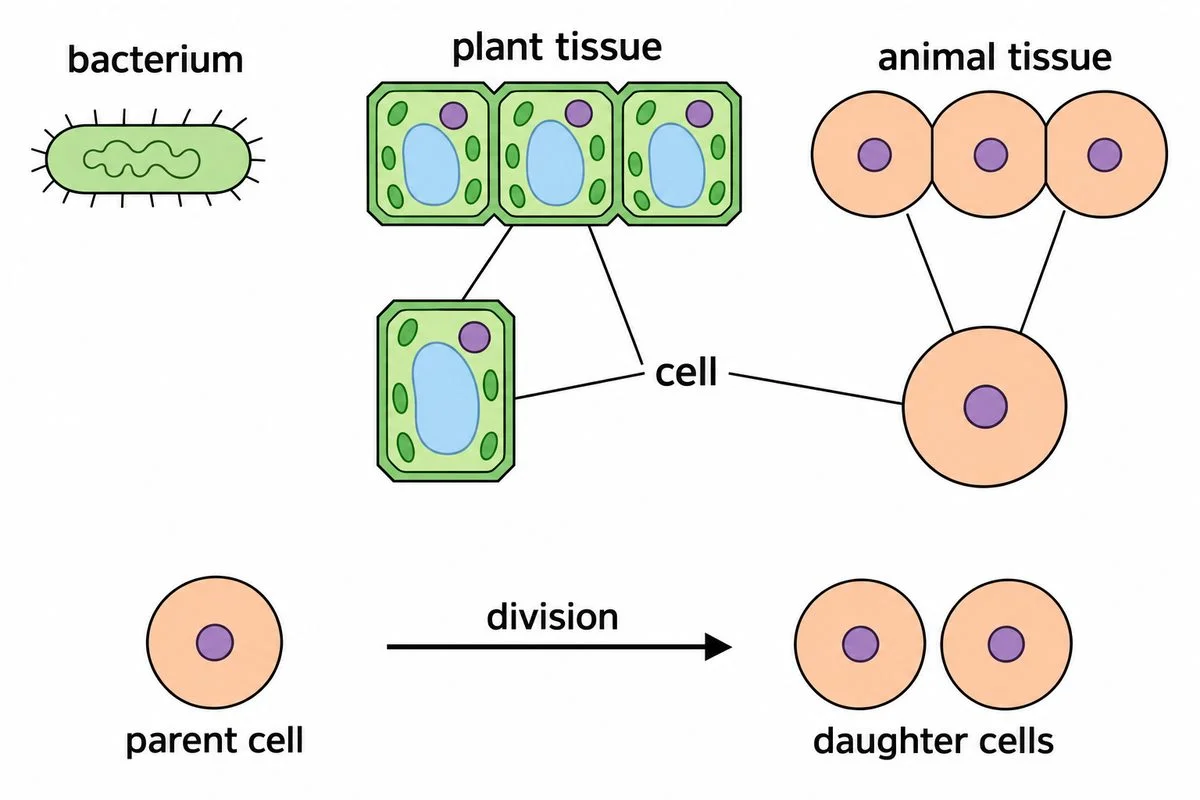
Cellular organisation in bacteria and tissues, with an existing cell dividing below.

1. Cell theory

Cells build living things; existing cells produce new cells.

Show
Look at the diagram’s bacterium, plant tissue and animal tissue. Below, follow the existing cell’s division.
Ask
What basic building unit would you expect all three to share?
Say
All three consist of cells, the smallest units with life’s essential machinery. Existing cells divide to make new cells.
Used in
New cells replace damaged skin, helping small scratches heal.
If your child says…“New cells appear from material that has no cells.”
Ask
What is present before the two daughter cells appear?
What’s true
During growth, existing cells divide to produce new cells.
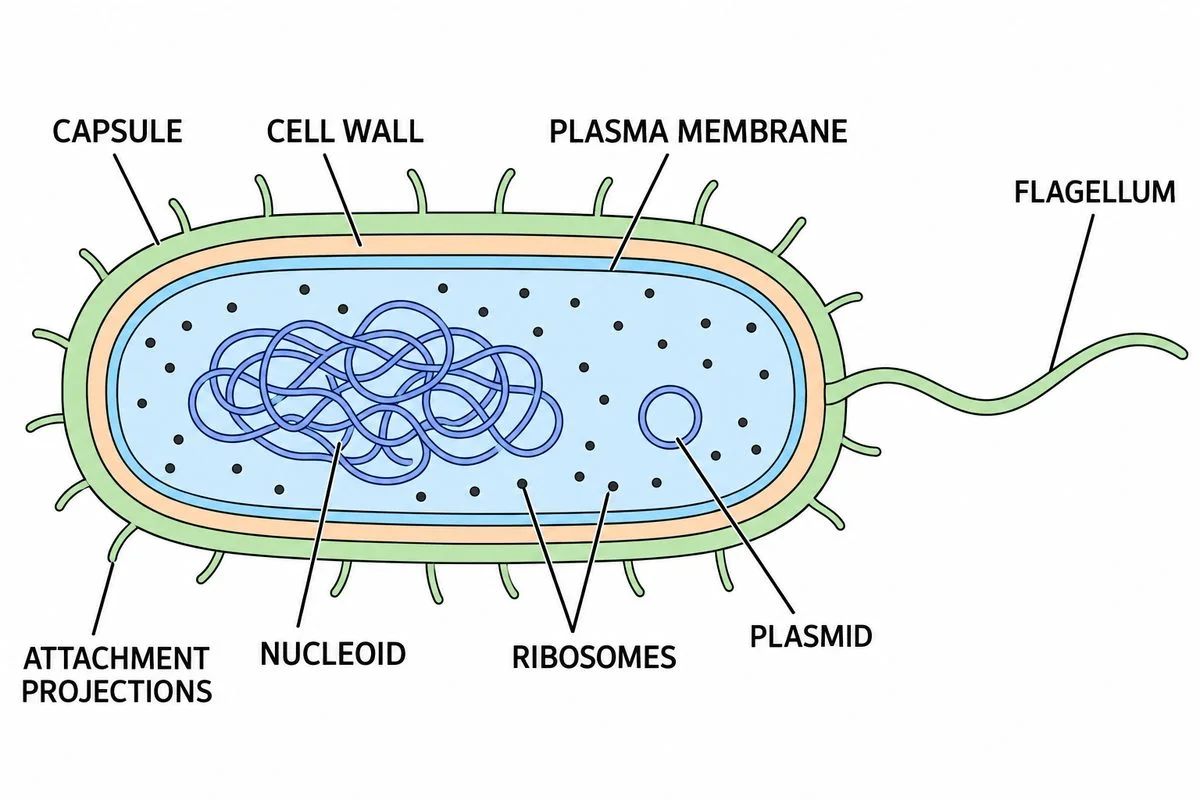
Bacterial diagram showing three outer layers, unenclosed DNA, ribosomes and surface projections.

2. Prokaryotic cells

Cells whose DNA region has no surrounding nuclear membrane.

Show
In the diagram, find the capsule, wall and membrane, working inward. Locate the unenclosed DNA, plasmid and ribosomes. Find the short attachment projections and long flagellum.
Ask
Could this cell make proteins without enclosing its DNA in a nucleus?
Say
Its ribosomes make proteins while its DNA remains unenclosed.
Used in
Bacteria used in curd-making make proteins needed for their work.
If your child says…“Bacterial DNA sits inside a nucleus.”
Ask
Which line in this diagram encloses only the main DNA?
What’s true
The bacterial DNA region has no nuclear envelope.
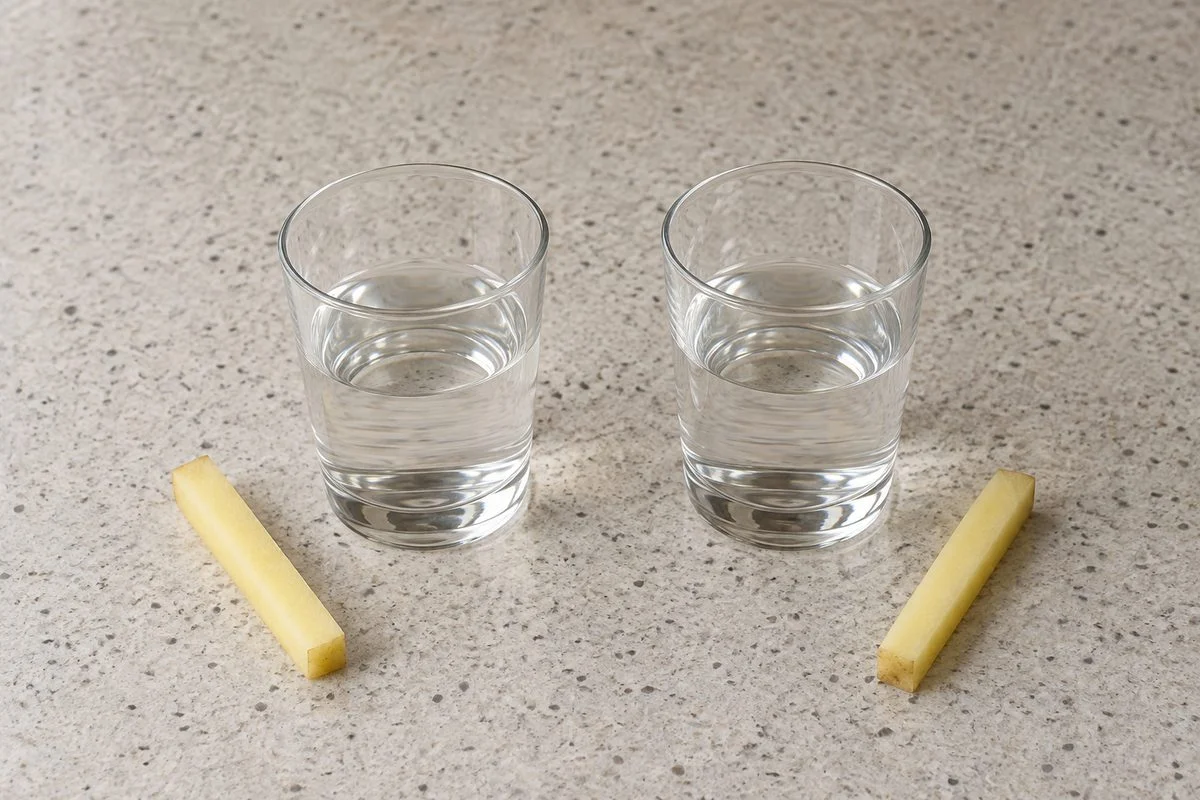
Two cups of water with matching potato strips beside them before soaking.

3. Eukaryotic cells: cell membrane and cell wall

Membranes regulate exchange; plant walls add support outside them.

Show
An adult cuts matching potato strips. After predicting, soak one in plain water, one in strongly salty water, for 30 minutes. Compare flexibility.
Ask
Which strip will bend more easily?
Say
The salty strip usually bends more easily because water loss reduces pressure against cell walls.
Used in
Salting vegetables draws water from their cells, helping soften them before cooking.
If your child says…“Osmosis means dissolved salt moves across the membrane.”
Ask
Which loss explains the strip becoming less firm: water loss or salt loss?
What’s true
Osmosis describes net water movement across a selectively permeable membrane.

Structures inside cells

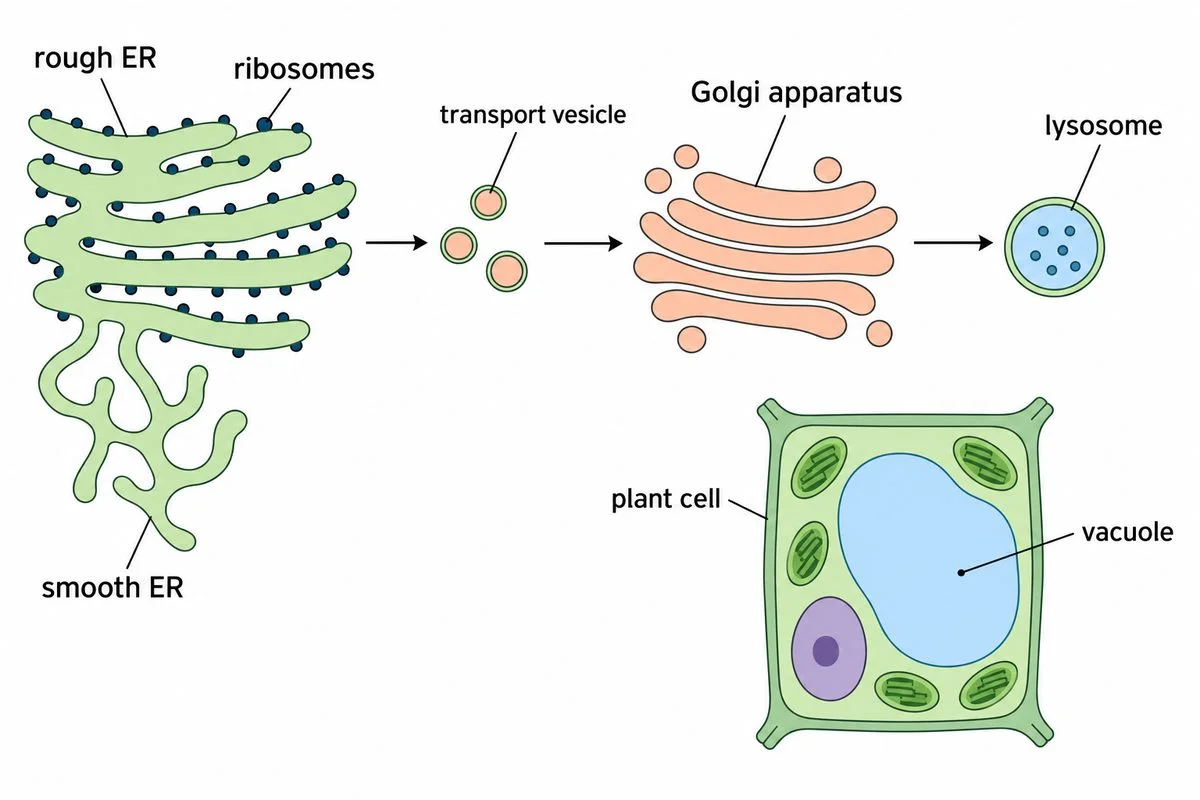
Enzyme transport from rough ER through Golgi to lysosome, beside smooth ER and vacuole.

4. Endomembrane system

These compartments work together to make, package, digest and store materials.

Show
Follow the diagram’s arrows from rough ER through Golgi to the lysosome. Find smooth ER below and the plant vacuole beside it.
Ask
If Golgi packaging failed, what might happen to this enzyme’s delivery to the lysosome?
Say
Its delivery might fail. Transport vesicles carry it through Golgi, which sorts and packages it for delivery.
Used in
Lysosomes break down worn cell parts, allowing useful materials to be reused.
If your child says…“Lysosomes form without help from Golgi.”
Ask
Where did the enzyme pass before reaching the lysosome?
What’s true
Golgi contributes to lysosome formation by sorting and packaging digestive enzymes.
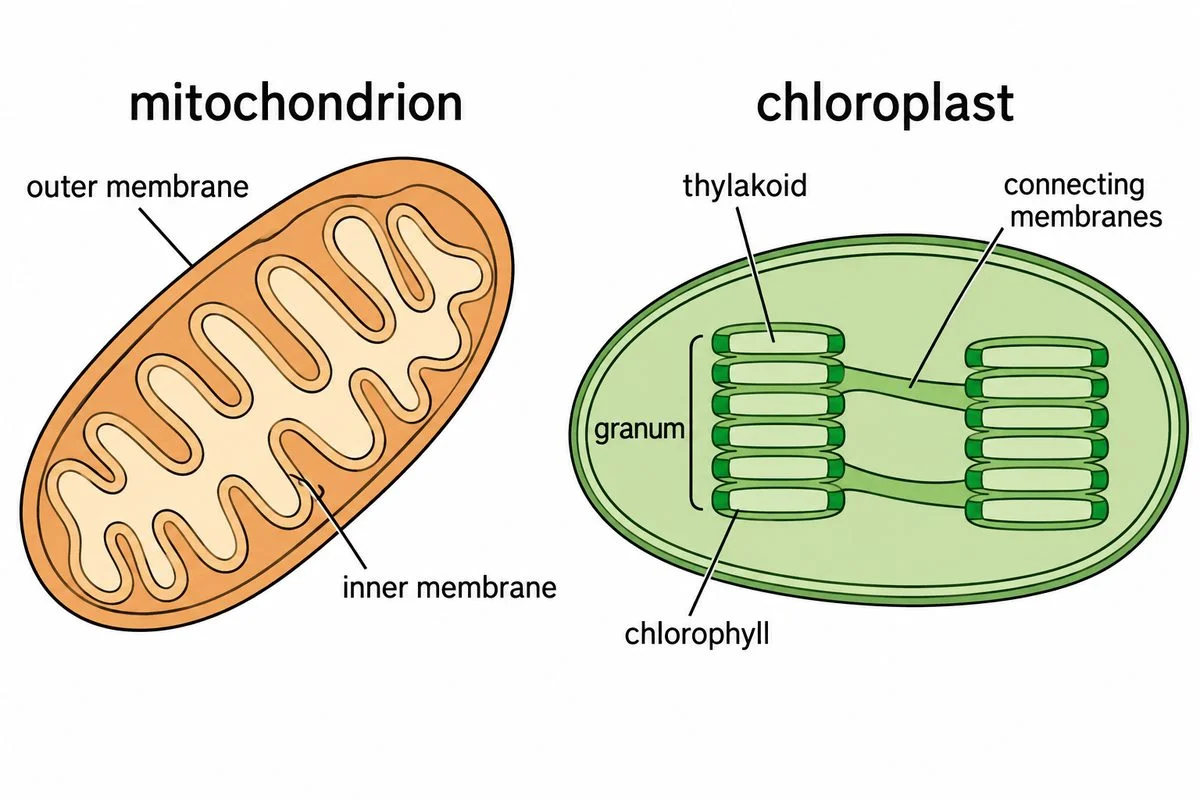
Mitochondrial membrane folds beside chloroplast stacks, with chlorophyll marked in thylakoid membranes.

5. Mitochondria and plastids

Mitochondria supply ATP; plastids capture light, colour tissues or store food.

Show
In the diagram, find the mitochondrial inner membrane and its folds. In the chloroplast, find one thylakoid and one granum. Trace the connections between stacks.
Ask
How would losing chlorophyll from these thylakoid membranes affect light capture?
Say
Losing chlorophyll would reduce light capture.
Used in
Chloroplasts capture light so green leaves can make food.
If your child says…“Chlorophyll floats freely inside the chloroplast.”
Ask
Which part of the diagram forms the light-capturing sacs?
What’s true
Chlorophyll is held within thylakoid membranes.
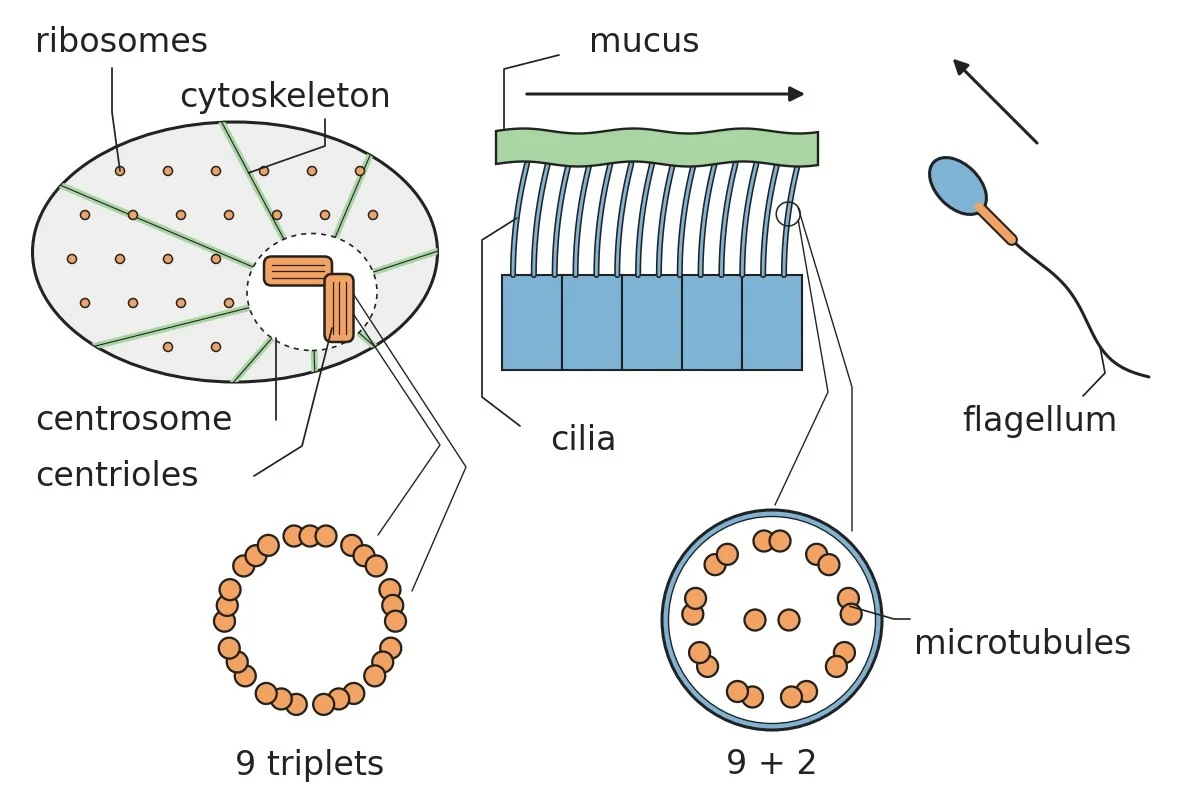
Cell support and movement structures, with enlarged cilium and centriole cross-sections.

6. Ribosomes, cytoskeleton, cilia, flagella and centrosome

Protein-making particles, supporting fibres and movement structures do different jobs.

Show
Find ribosomes, fibres and paired centrioles in the diagram. Compare the cilium and centriole cross-sections.
Ask
What would happen to mucus movement if the airway cilia shown stopped beating?
Say
Mucus movement would slow.
Used in
Airway cilia move mucus away from the lungs, helping clear trapped material.
If your child says…“Every ribosome has its own membrane.”
Ask
Can you find a separate membrane around any individual ribosome?
What’s true
Ribosomes consist of RNA and proteins without an enclosing membrane.
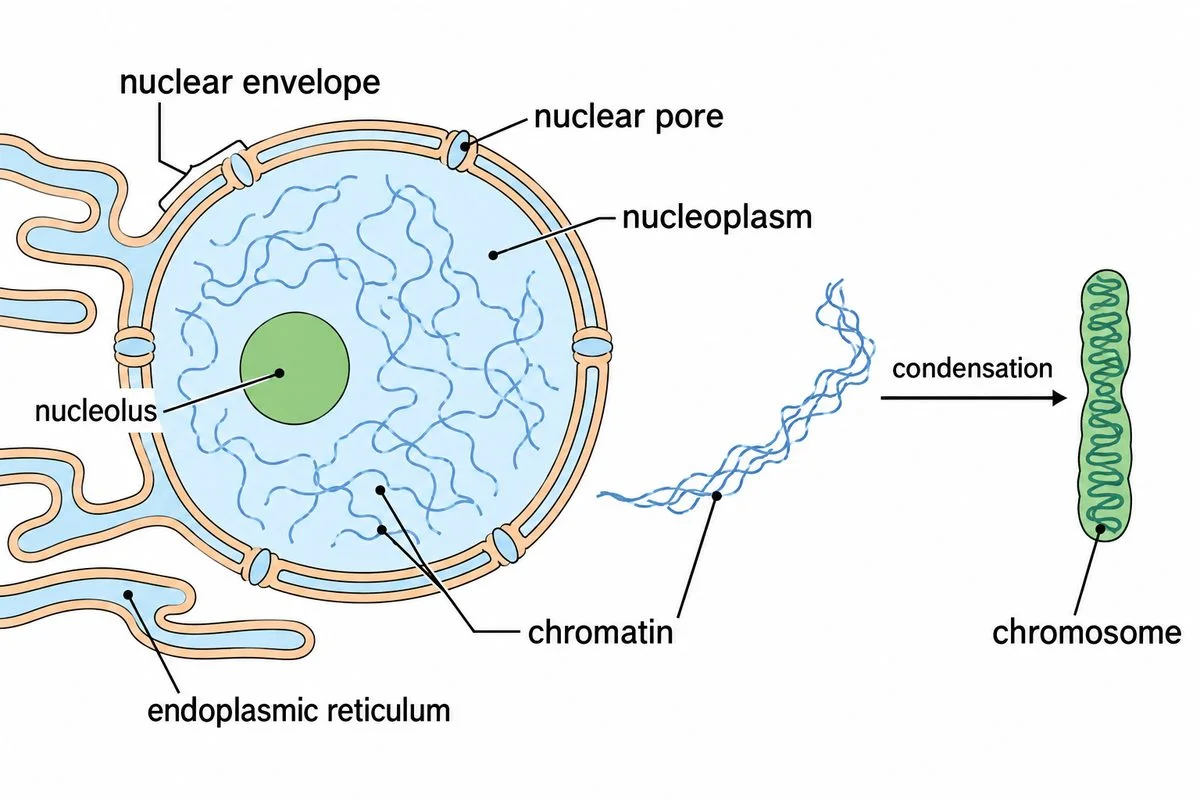
Nuclear structures beside chromatin packing into a compact chromosome.

7. Nucleus

Chromatin becomes compact chromosomes as a cell prepares to divide.

Show
In the diagram, find the nuclear envelope, pores and connected ER. Locate chromatin and the nucleolus in the nucleoplasm. Follow the condensation arrow on the right.
Ask
How would tighter packing help distinguish chromosomes before they pass to daughter cells?
Say
Chromatin packs tightly during division, making chromosomes easier to distinguish.
Used in
Compact chromosomes help dividing cells distribute genetic material to new cells.
If your child says…“Chromosomes are clearest between cell divisions.”
Ask
Which view shows chromosome material with a clearer outline?
What’s true
Between divisions, chromatin is generally spread out rather than forming distinct compact chromosomes.

A real problem

A bacterial cell structure became a treatment target.

Streptomycin, discovered in 1943, became the first effective treatment for tuberculosis.

It acts on bacterial ribosomes.

It reduces protein production in susceptible bacteria.

Rutgers UniversityNature

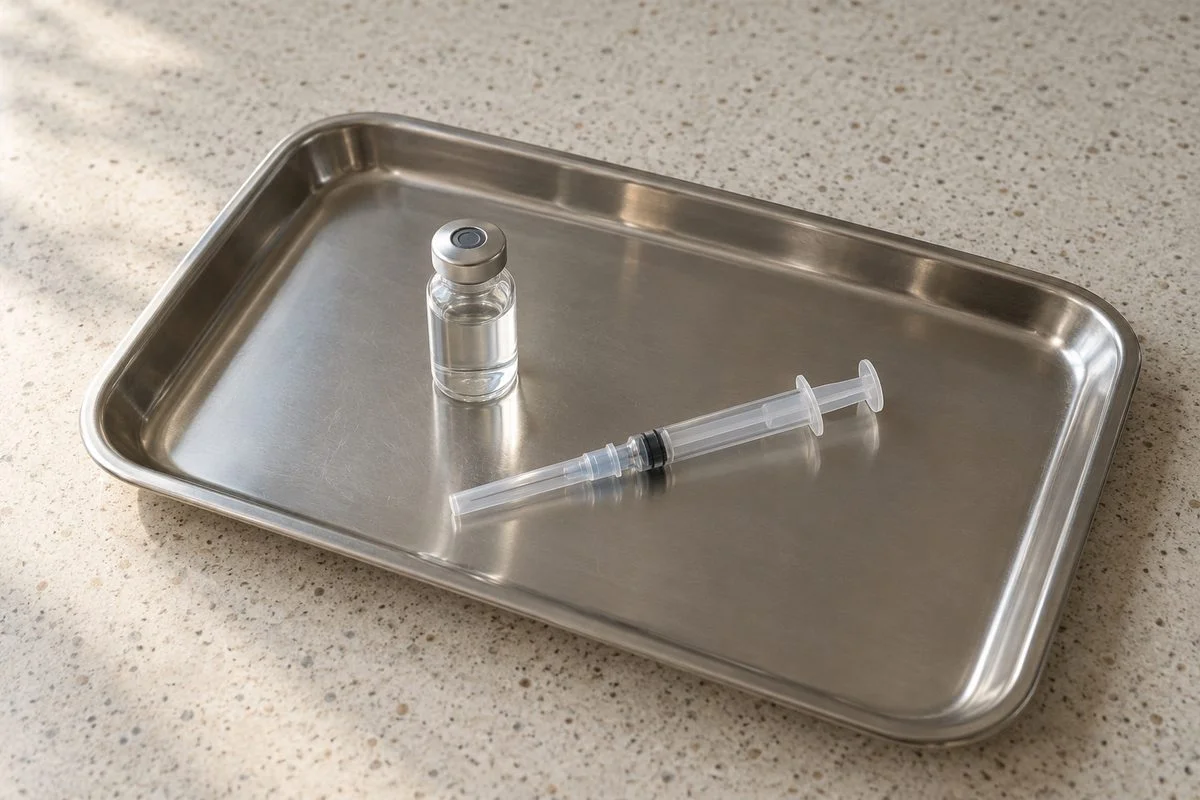
Unbranded medicine vial beside a capped syringe on a clinic tray.

Concept Lab · Common misconception

The tempting mistake in Cell: Structure and Functions

Open standalone misconception page →

Can cells without a nucleus make proteins?

Wrong

A bacterium has no ribosomes because it lacks a nucleus.

Why it feels right. I treat every cell structure as if it needs a membrane compartment.

Right

Bacteria have non-membrane-bound ribosomes in the cytoplasm.

Worked example

The bacterial DNA lies in a nucleoid. Separate 70S ribosomes in the cytoplasm make proteins.
  1. In a bacterial cell, the DNA sits in a nucleoid without a nuclear membrane.
  2. The separate 70S ribosomes in the cytoplasm translate RNA to make proteins.

Ask your child seven quick questions.

One per step. The answer and the reason are given.

  1. What produces the extra cells as a root grows?

    Existing cells dividing. New cells arise through division of cells already present.

  2. Where does a bacterium keep its main DNA?

    In an unenclosed nucleoid. Its DNA region has no surrounding nuclear membrane.

  3. What leaves the potato cells as the salty strip becomes less firm?

    Water. Water loss lowers pressure against cell walls that remain present.

  4. Which organelle packages digestive enzymes for lysosomes?

    Golgi. Lysosome formation involves Golgi sorting and packaging.

  5. Where inside a chloroplast is chlorophyll held?

    In thylakoid membranes. The pigment belongs to the sac membranes, rather than floating in the stroma.

  6. What membrane surrounds an individual ribosome attached to ER?

    None. Attachment to ER does not give a ribosome its own enclosing membrane.

  7. When are individual chromosomes easiest to distinguish?

    During cell division. Chromatin becomes compact, making separate chromosomes more distinct.

15 more questions with answers, 13 with pictures