Skip to content

Teach Plant Growth and Development in eight steps.

For each idea: show it, ask before you tell, then say one line.

Gather moong seeds, soil, a pot, water, ruler, paper, pencil, sprouted bean, a fallen twig, thread and tulsi with two similar soft shoots.

Common misconceptions & worked visual for this chapter · 15 practice questions with answers

How to teach it

Growth and its measurement

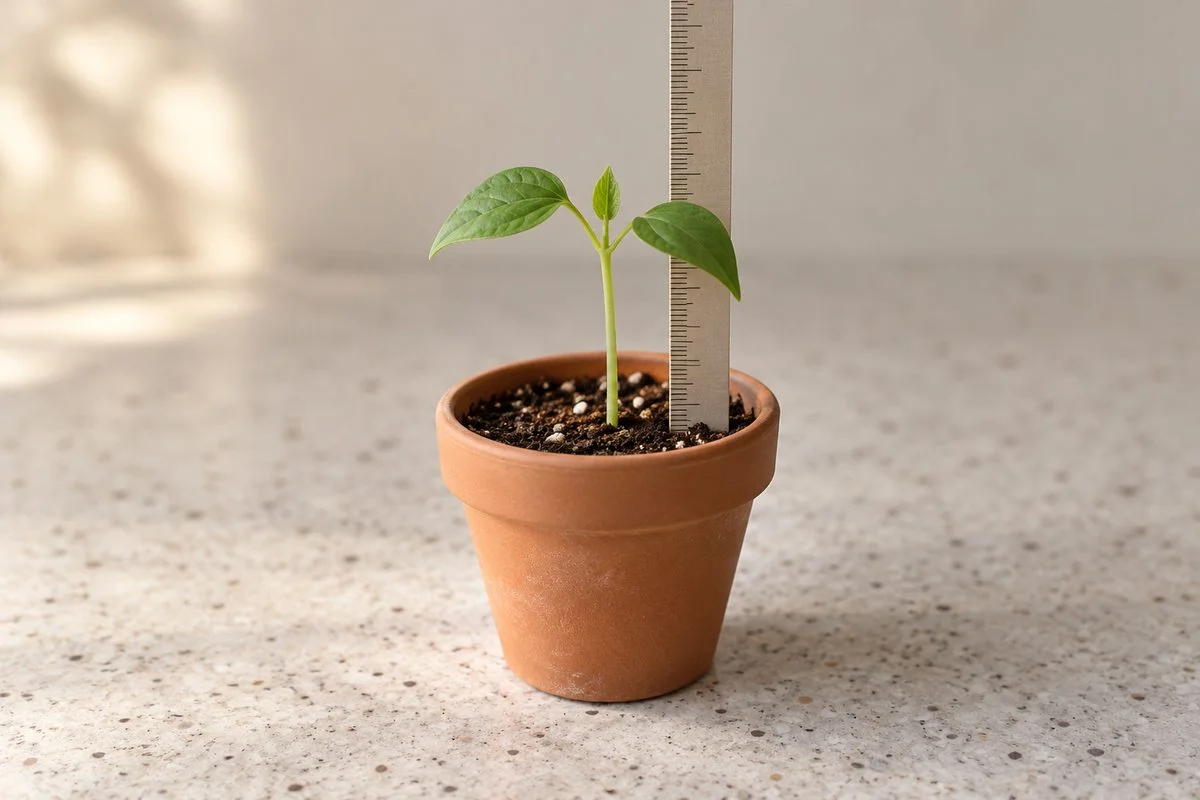
Moong seedling with a ruler beside its stem.

1. Growth

Living processes produce a lasting increase in size.

Show
Plant two moong seeds in moist soil. When shoots appear, choose one. Measure its height daily for a week. Record each measurement.
Ask
Will this shoot stop lengthening when its first leaves finish expanding?
Say
No; apical meristems supply cells for lengthening. Lasting enlargement shows growth.
Used in
Nurseries measure seedlings to track growth before planting them out.
If your child says…“Every part keeps growing as long as the plant lives.”
Ask
Does a shoot need its older leaves to enlarge before it can add new leaves?
What’s true
Meristems can keep supplying cells, although individual leaves, flowers and fruits usually stop enlarging.
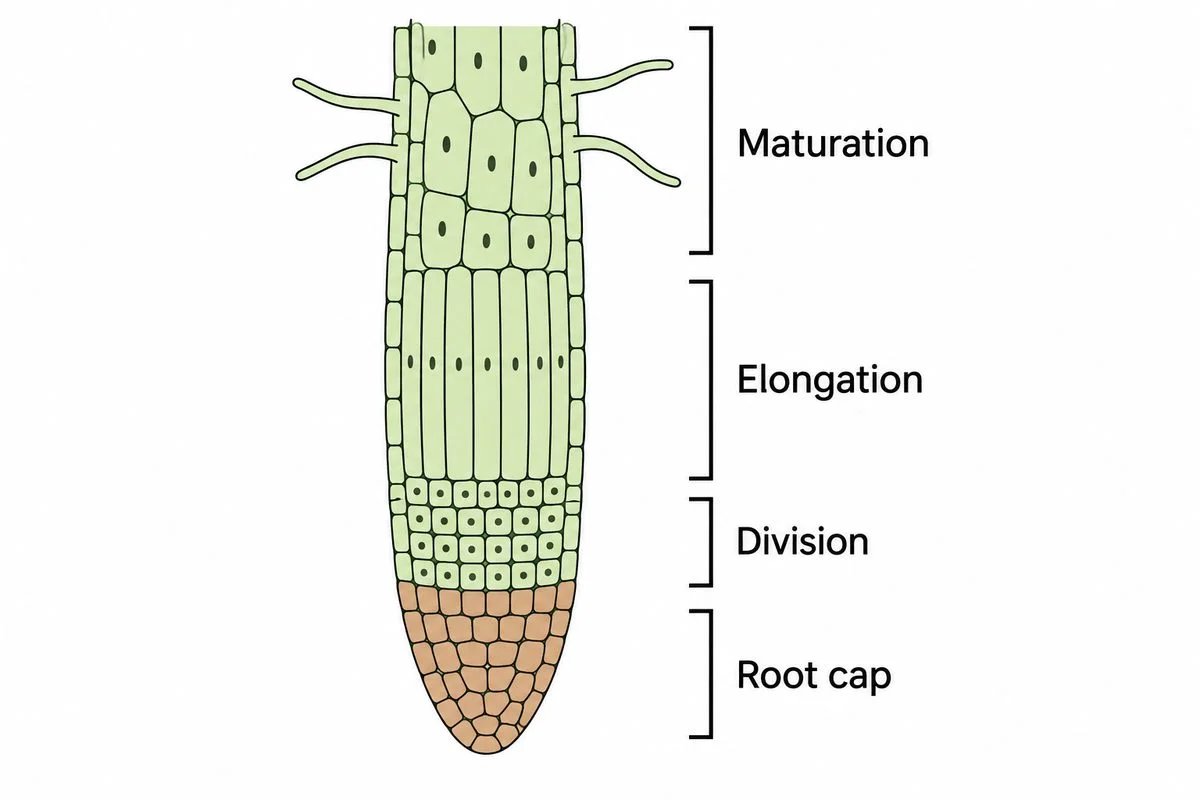
Root diagram showing the cap, dividing cells, elongating cells and mature cells.

2. Phases of Growth

Root cells divide, lengthen and then mature.

Show
Look at the sprouted bean’s root, then read the diagram. Find the root cap at the bottom. Follow the dividing, elongating and maturing regions upwards, away from the cap.
Ask
Which region will gain most length as these cells grow?
Say
Cells lengthen most just behind the dividing region; farther back, they mature for specialised jobs.
Used in
Drainage lets air reach roots, supporting their growth.
If your child says…“The dividing region must lengthen most.”
Ask
Which changes length more directly: making more small cells or lengthening those already formed?
What’s true
Cell enlargement produces the greatest length gain in the elongation zone.
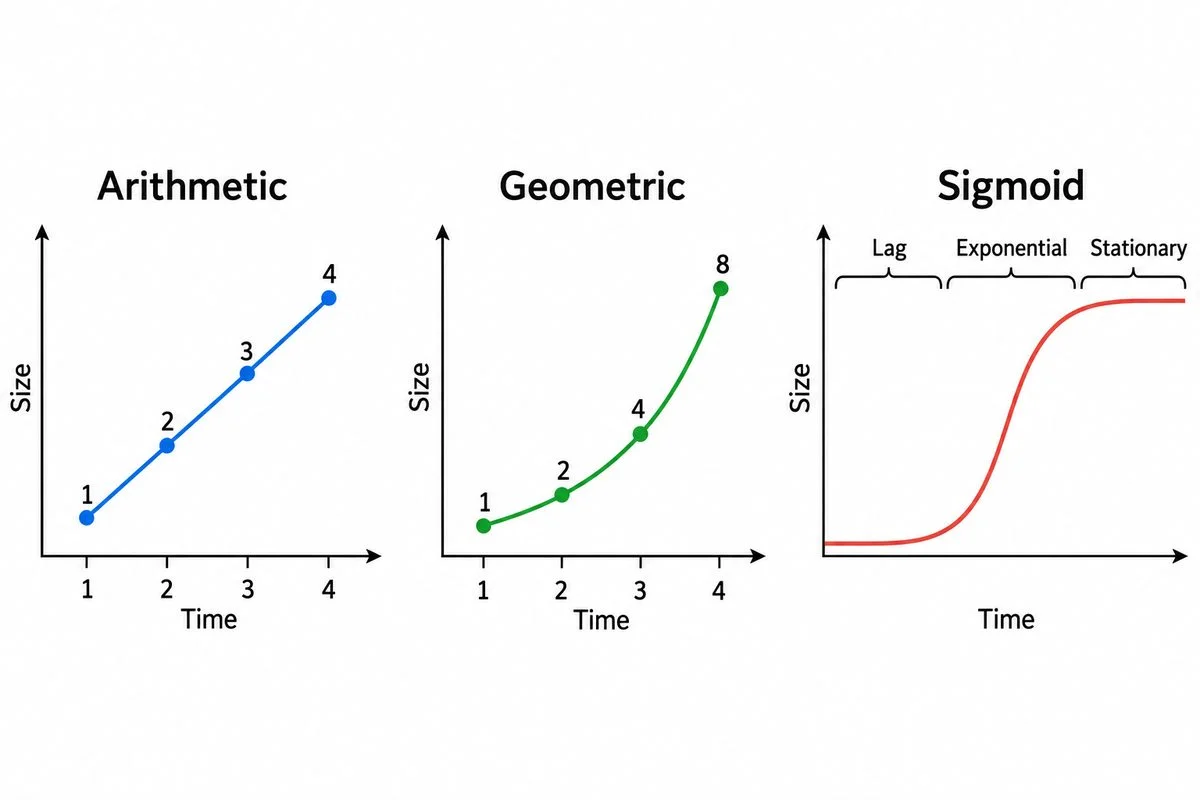
Graphs compare equal additions, multiplying growth and growth slowing towards a plateau.

3. Growth Rates: Arithmetic and Geometric Growth

Growth can add equally, multiply or slow towards a plateau.

Show
Compare equal-time gains in the diagram’s first two graphs. Then follow the sigmoid curve.
Ask
Which pattern predicts increasing gains?
Say
Arithmetic growth adds equally; geometric growth multiplies over equal intervals. Geometric gains therefore increase. The sigmoid curve levels off.
Used in
Growers supply nutrients to sustain plant growth.
If your child says…“Equal additions should make the curve get steeper.”
Ask
If each interval adds equally, why would the line become steeper?
What’s true
Equal gains across equal time intervals produce a straight line on a size–time graph.

AGRA=10−51=5  cm2 day−1\mathrm{AGR}_A=\frac{10-5}{1}=5\;\mathrm{cm^2\,day^{-1}}

AGRB=55−501=5  cm2 day−1\mathrm{AGR}_B=\frac{55-50}{1}=5\;\mathrm{cm^2\,day^{-1}}

RGRA=10−55×1=1  day−1\mathrm{RGR}_A=\frac{10-5}{5\times1}=1\;\mathrm{day^{-1}}

4. Absolute and Relative Growth Rates

Both measure gain per time; relative rates account for starting size.

Show
Write these lines for leaves A and B growing over one day. Say AGR means absolute growth rate and RGR means relative growth rate.
Ask
Both leaves will gain 5 square centimetres today. Which will grow proportionally more?
Say
Leaf B gains 10% of its starting area that day, while A gains 100%. Their absolute rates match, but A’s relative rate is greater because it started smaller.
Used in
Relative rates help growers compare growth among plants of different starting sizes.
If your child says…“Equal daily gains mean equal proportional growth.”
Ask
Which leaf doubles its starting area?
What’s true
An equal gain forms a larger fraction of the smaller leaf’s starting area.

Changes in cells and plants

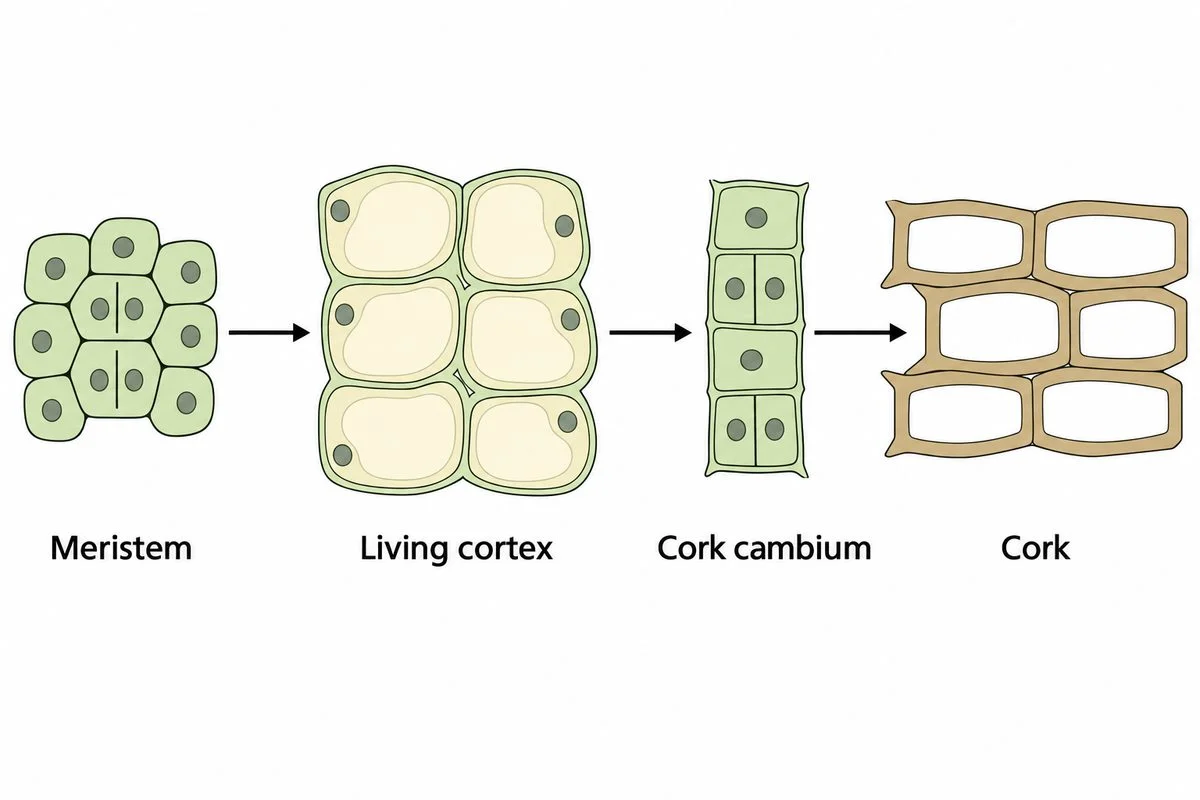
Cell-stage diagram showing specialisation, renewed division and outward daughter cells becoming cork.

5. Differentiation, Dedifferentiation and Redifferentiation

Cells specialise, sometimes regain division, and produce specialised descendants.

Show
Look at bark on a fallen twig. Follow the diagram from meristem through living cortex to cork cambium and cork. Trace renewed division and the outward daughter cells specialising into cork.
Ask
Which change will restore the ability to divide?
Say
The change from living cortex to cork cambium restores division during dedifferentiation. Its descendants specialise during redifferentiation.
Used in
Cork forms a protective covering around woody stems.
If your child says…“Dedifferentiation and redifferentiation both mean starting to divide again.”
Ask
Does the final cork stage regain division, or finish specialising?
What’s true
Dedifferentiation restores division; redifferentiation produces specialised descendants that lose this ability.
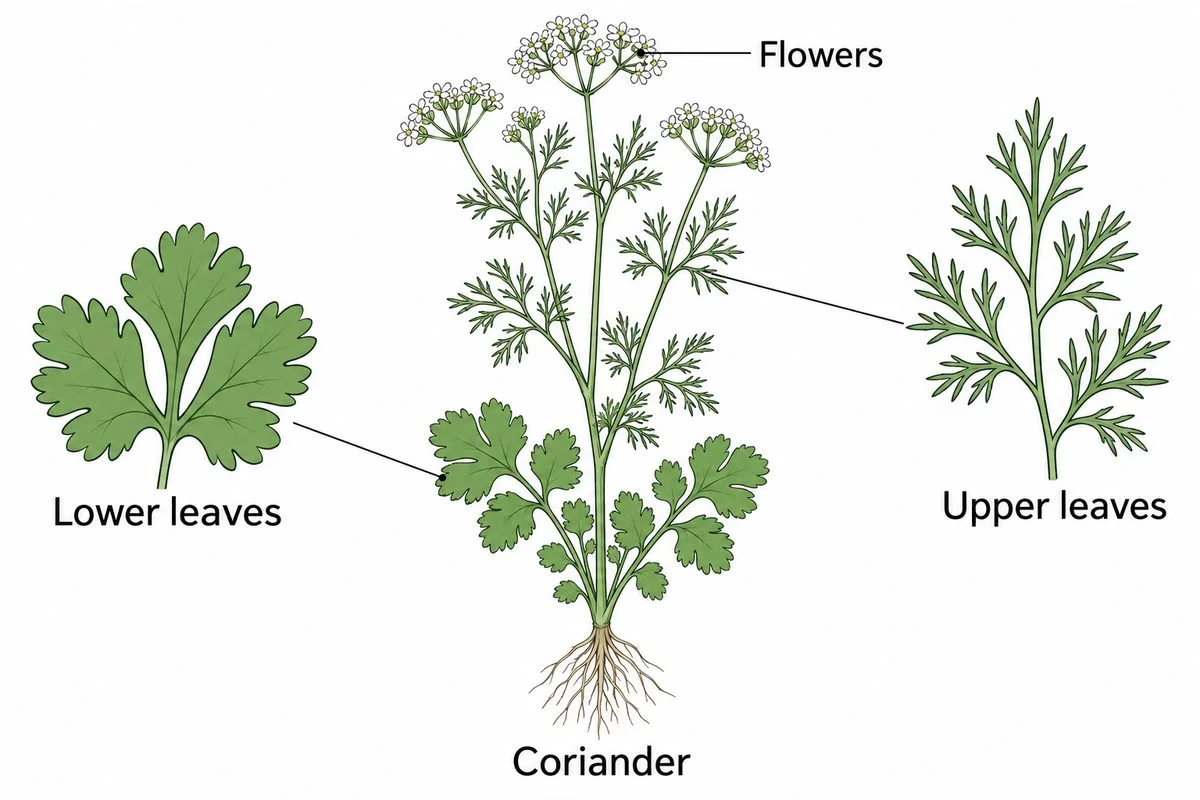
Coriander diagram compares broad lower leaves with finely divided upper leaves near flowers.

6. Development and Plasticity

Plants change form and function through internal and environmental influences.

Show
Look at the coriander diagram. Find the broad lower leaves, then the finely divided upper leaves near the flowers.
Ask
Will this plant’s later leaves simply be larger copies of its earlier leaves?
Say
Leaves formed at different stages can have different shapes. This plasticity reflects responses to developmental stage.
Used in
Growers manage light and temperature to influence development and flowering.
If your child says…“Development just means getting bigger.”
Ask
Are these leaves different only in size, or also in shape?
What’s true
Development includes changing cell roles, form, maturity and ageing, alongside growth.

Chemical control of growth

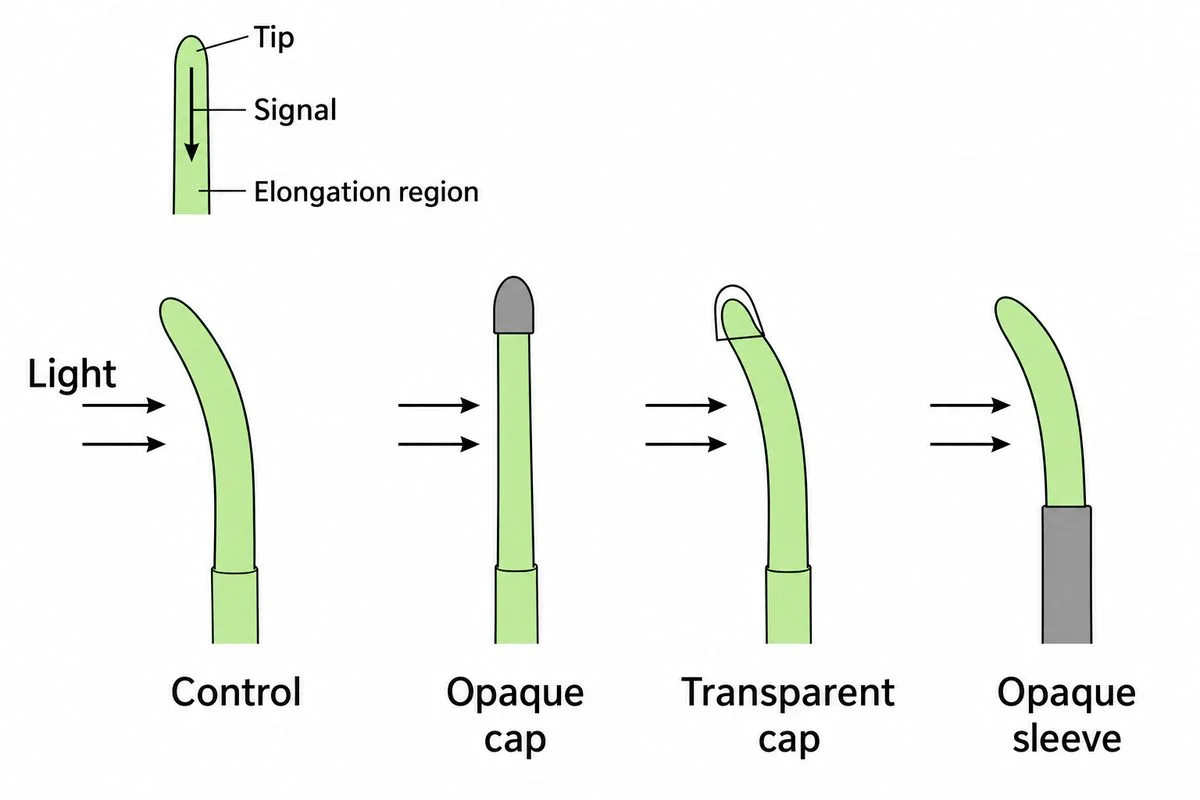
Grass-shoot diagrams compare bending under different covers and show a downward signal.

7. Plant Growth Regulators: Characteristics and Discovery

Chemically different signals regulate plant growth and development.

Show
Look at the diagram’s four grass shoots. Compare the uncovered tip, opaque cap, transparent cap and sleeve below an exposed tip.
Ask
If bending happens below the tip, which covered shoot will fail to bend towards light?
Say
The opaque-capped shoot will fail; the tip detects light and sends a signal downward, changing growth below. Unequal growth bends the shoot towards light.
Used in
Ethylene promotes fruit ripening, helping prepare fruit for sale.
If your child says…“The bending region must detect the light.”
Ask
Why did covering the tip prevent an uncovered lower region from bending?
What’s true
In these grass shoots, light detection at the tip controls bending below it.
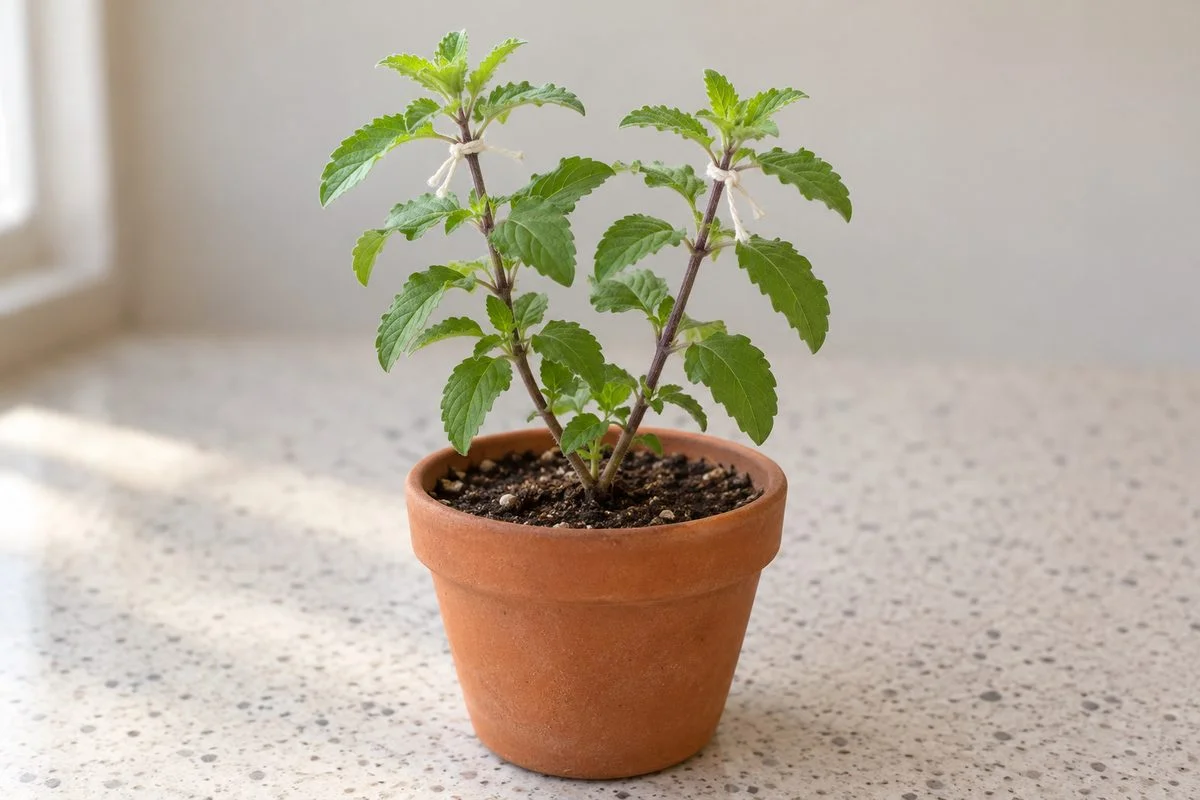
Two intact tulsi shoots marked with loose thread before pinching.

8. Physiological Effects of Plant Growth Regulators: Apical Dominance

In many plants, auxin from the growing tip suppresses side-bud growth.

Show
Mark two similar tulsi shoots with loose threads. After predicting, pinch one soft tip. Care for the plant normally. Compare side growth over two to three weeks.
Ask
Which shoot will develop stronger side growth?
Say
Side buds usually grow more after pinching removes the auxin-producing tip.
Used in
Pruning encourages branching, producing fuller garden hedges.
If your child says…“Keeping the growing tip encourages side buds.”
Ask
Which marked shoot developed stronger side growth after its tip was removed?
What’s true
In many plants, the growing tip suppresses side buds rather than encouraging their growth.

Concept Lab · Common misconception

The tempting mistake in Plant Growth and Development

Open standalone misconception page →

Does growth mean only getting bigger?

Wrong

A bigger plant organ always has more cells.

Why it feels right. I use size as a count of cells.

Right

Growth can involve cell division and cell enlargement.

Worked example

From tip toward base
Root cap→Cell division zone→Cells lengthen farther back
Different root zones contribute to growth in different ways.
  1. Cells in one zone near a root tip divide.
  2. Farther from the tip, cells can lengthen as they pass through the zone of elongation.

Ask your child eight quick questions.

One per step. The answer and the reason are given.

  1. What supplies new cells after older leaves stop enlarging?

    Meristems. Continued plant growth depends on dividing regions, not endless enlargement of every organ.

  2. Where would marks on a growing root spread farthest apart?

    In the elongation zone. Cells enlarge most there, rather than in the region where cells divide.

  3. What shape shows size against time when equal intervals bring equal gains?

    A straight line. Equal additions keep the slope constant instead of making it progressively steeper.

  4. With equal daily gains, which leaf has greater relative growth: initially smaller or initially larger?

    The initially smaller leaf. The same gain makes up a larger fraction of its starting area.

  5. What ability does a mature cortex cell regain when it becomes cork cambium?

    It regains division capacity. This is dedifferentiation, before the new cells specialise again.

  6. A leaf ages without getting larger: which includes this change, growth or development?

    Development. Development includes ageing as well as increases in size.

  7. Which region detects light in these grass-shoot experiments?

    The tip. A light-blocking tip cover prevents bending despite light reaching the lower region.

  8. What releases side buds from the growing tip’s suppression in this activity?

    Removing the growing tip. Removing the auxin-producing tip reduces suppression of lateral buds.

15 more questions with answers, 8 with pictures