Skip to content

Teach Plant Kingdom in six steps.

For each idea: show it, ask before you tell, then say one line.

Gather no equipment. Locate moss with capsules and a fern with brown patches beneath its fronds.

Common misconceptions & worked visual for this chapter · 15 practice questions with answers

How to teach it

Recognising plant groups

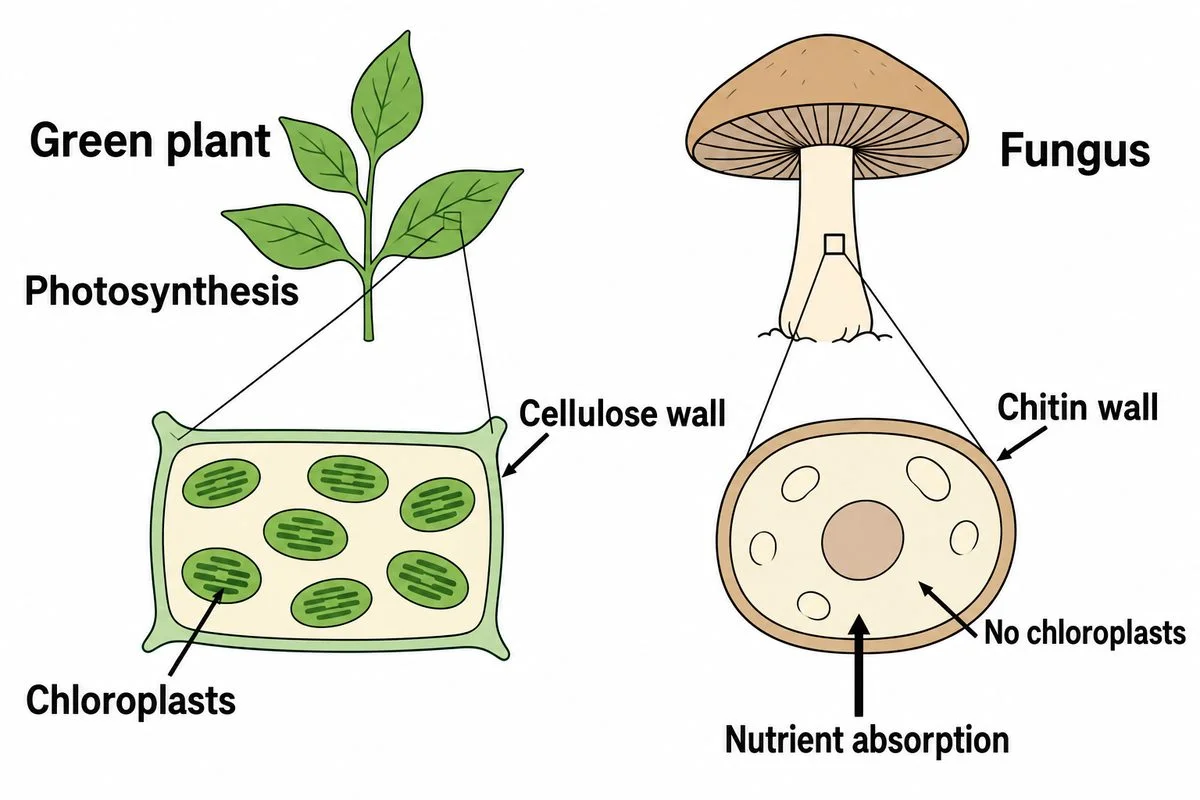
Plant and fungal cells compared through walls, chloroplasts and food sources.

1. Plant classification

Grouping plants using evidence about their features and relationships.

Show
Look at the diagram’s plant and fungus, then compare their cell walls. Find the chloroplasts and the two ways of obtaining food.
Ask
Would these organisms belong to the same kingdom, considering their walls and food sources?
Say
No; both have cell walls, but their wall materials and food sources differ. This plant photosynthesises, while the fungus absorbs nutrients.
Used in
Recognising fungi helps growers identify diseases that damage crops.
If your child says…“Anything with a cell wall is a plant.”
Ask
If bacteria also have walls, what else would you need to check?
What’s true
Fungi and many bacteria have walls without belonging to the plant kingdom.
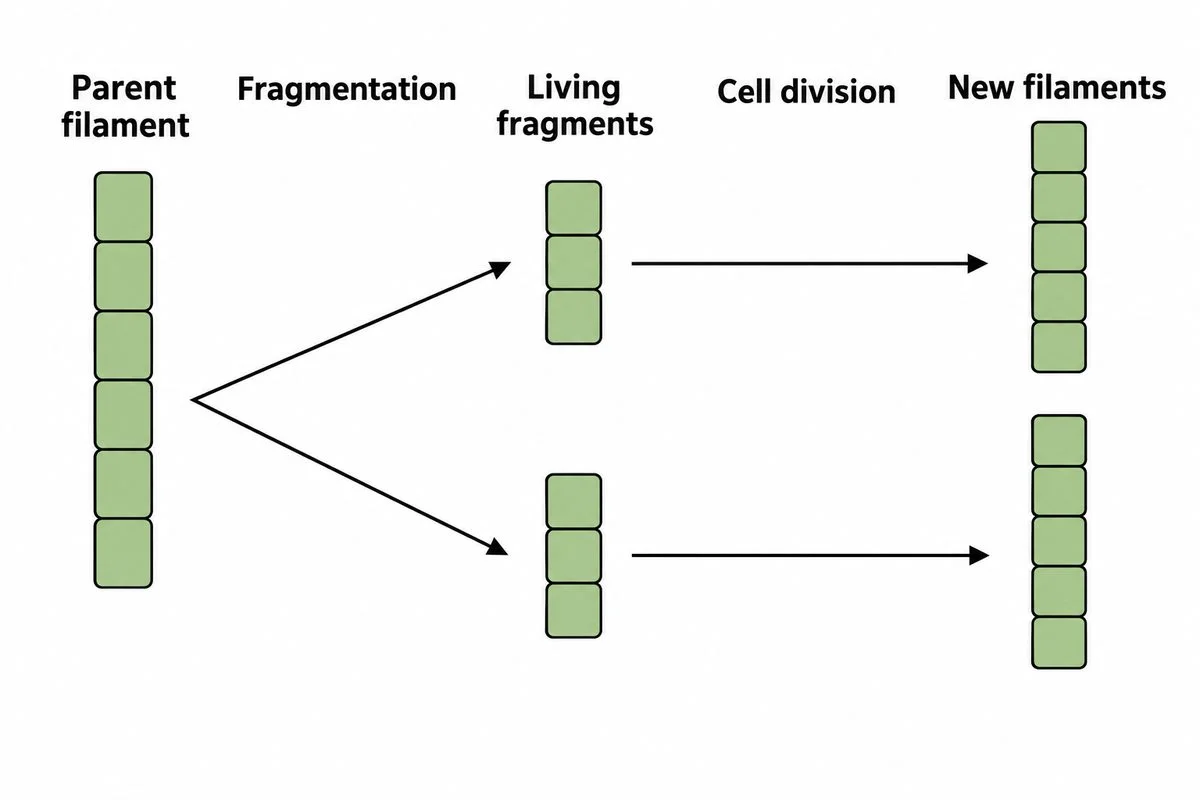
An algal filament separates into living fragments that grow into longer filaments.

2. Algae

Organisms with varied forms, including single cells, filaments and seaweeds.

Show
Look at the diagram’s parent filament and its cells. Follow the first arrow to the separated fragments.
Ask
Could these living fragments grow into separate algae without joining another cell?
Say
The living pieces can each grow into a new filament without fertilisation. This is fragmentation, one reproductive method in some algae.
Used in
Understanding seaweed life cycles helps farmers control cultivation.
If your child says…“Every alga is just one cell.”
Ask
How many separate cells can you trace along this filament?
What’s true
Algae include single cells, colonies, filaments and large seaweeds.
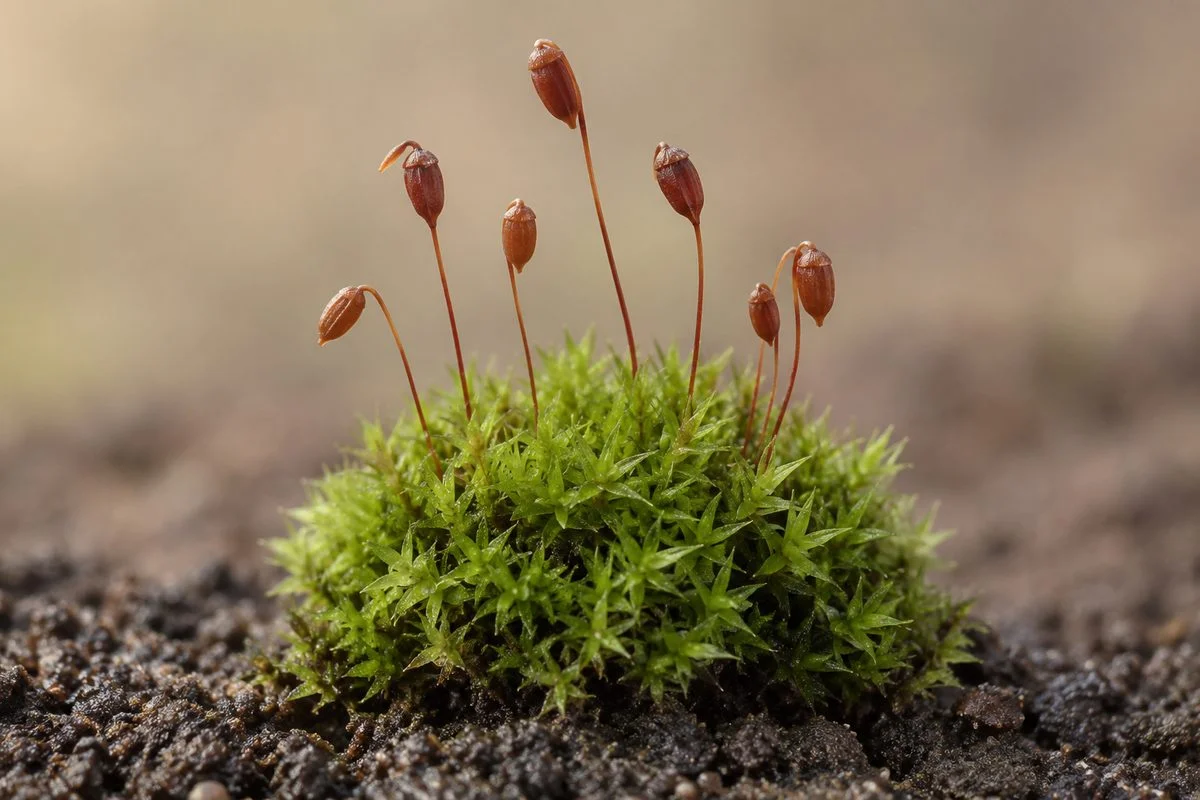
Green moss on damp soil with attached capsule-bearing stalks.

3. Bryophytes

Plants with rhizoids whose main generation produces gametes.

Show
Find moss on damp ground. Locate its green cushion and attached stalks bearing capsules.
Ask
Could this moss reproduce sexually if the surface stayed completely dry?
Say
Moss sperm need surface water to reach eggs. The green gametophyte nourishes its attached spore-producing sporophyte.
Used in
Moss cover helps hold soil, reducing erosion.
If your child says…“Moss must live underwater.”
Ask
Is this moss submerged, or is it growing on damp ground?
What’s true
Moss can live on damp land but needs water for fertilisation.
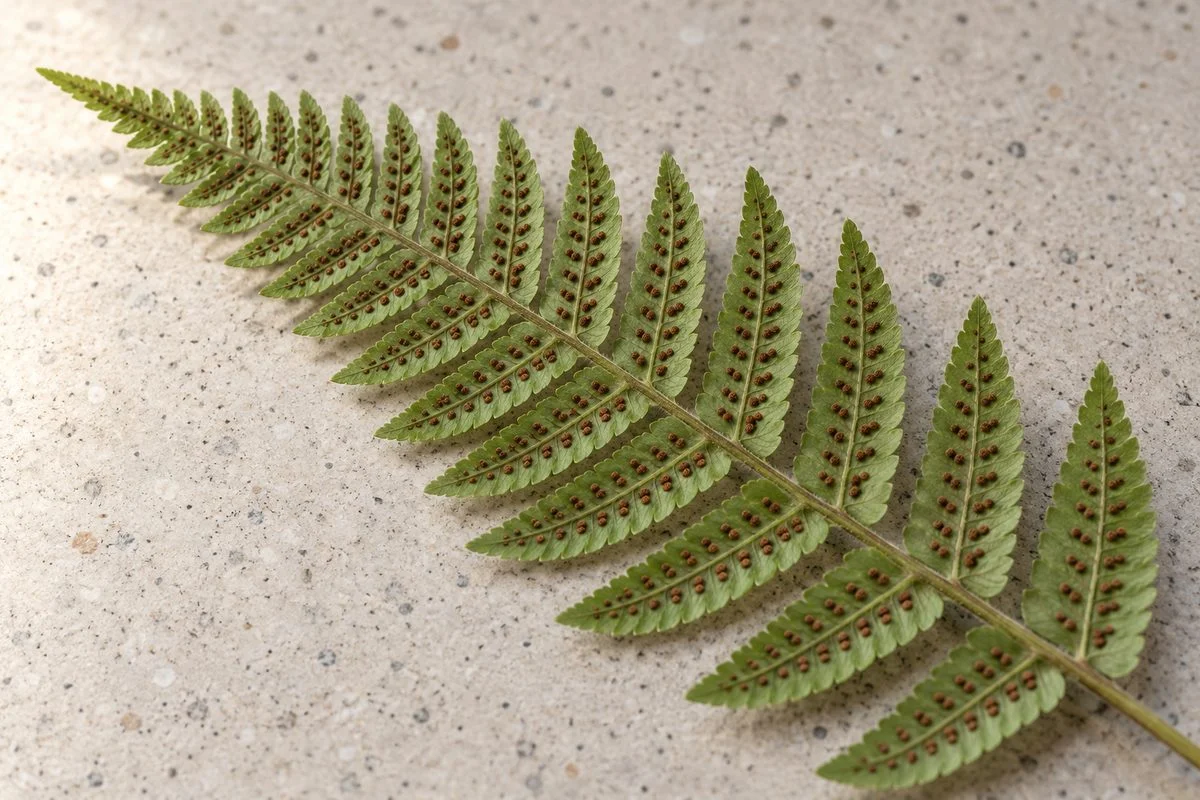
Underside of a fern frond showing rows of brown patches.

4. Pteridophytes

Vascular plants whose main generation produces spores.

Show
Before starting, locate a fern with repeated brown spore patches underneath a frond. Gently turn that frond over. Look at its repeated brown patches.
Ask
Will these patches release seeds or spores?
Say
These patches contain spore cases that release spores.
Used in
Growers raise ornamental ferns from spores, producing plants without seeds.
If your child says…“Fern sperm travel through its water-carrying tissues.”
Ask
Does carrying water inside a frond provide a swimming route between separate reproductive organs?
What’s true
Fern sperm swim through external water to reach the egg-bearing organ.
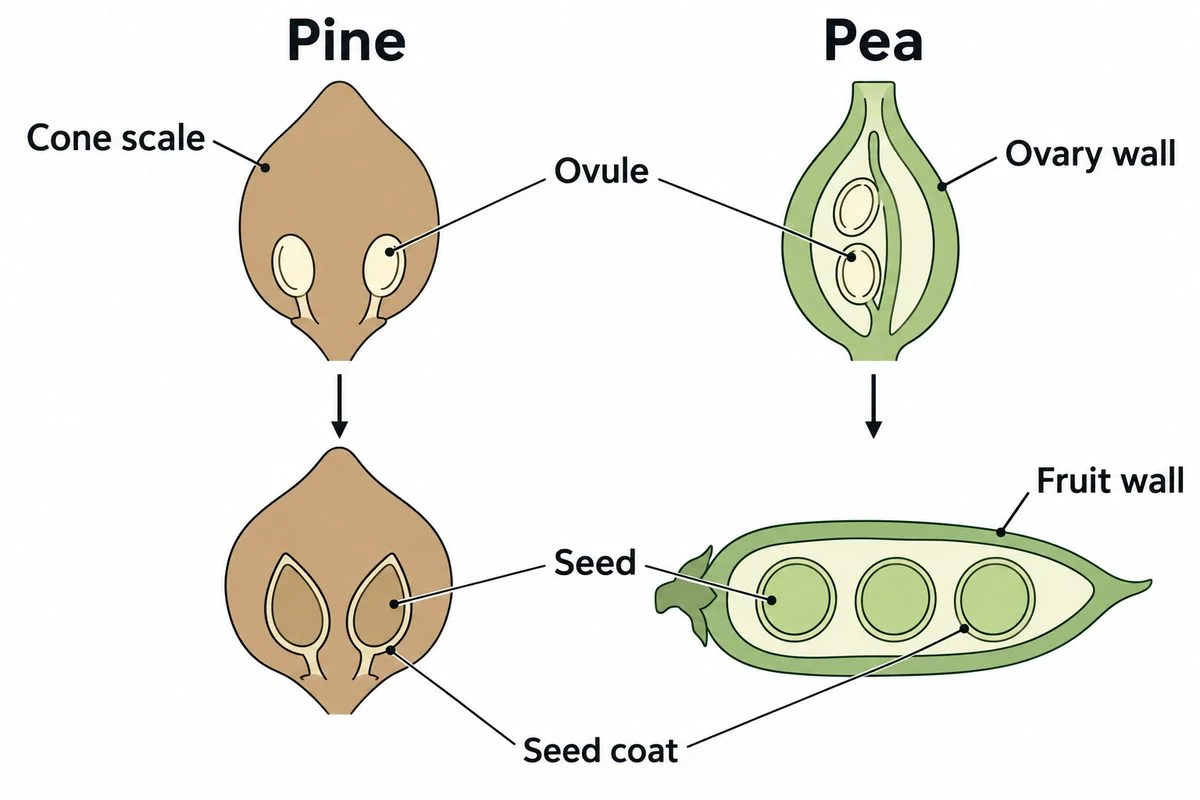
Pine ovules and seeds on scales compared with pea ovules and seeds inside enclosing walls.

5. Gymnosperms and Angiosperms

Gymnosperm seeds lack fruits. Angiosperm seeds develop inside fruits.

Show
Look at the diagram’s pine ovules on the left and enclosed pea ovules on the right. Follow their arrows to the seeds.
Ask
What extra covering will surround the pea seeds as these ovules develop?
Say
The pea ovary becomes a fruit, and its existing wall becomes the fruit wall. Pine ovules lack an ovary, so no fruit encloses their seeds. Both have seed coats.
Used in
Pea plants supply edible seeds protected inside pods as they develop.
If your child says…“Pine seeds start inside an ovary, then become naked.”
Ask
If no ovary enclosed the pine ovule, what fruit wall could later open?
What’s true
Pine ovules lack an enclosing ovary even before fertilisation.

Following the life cycle

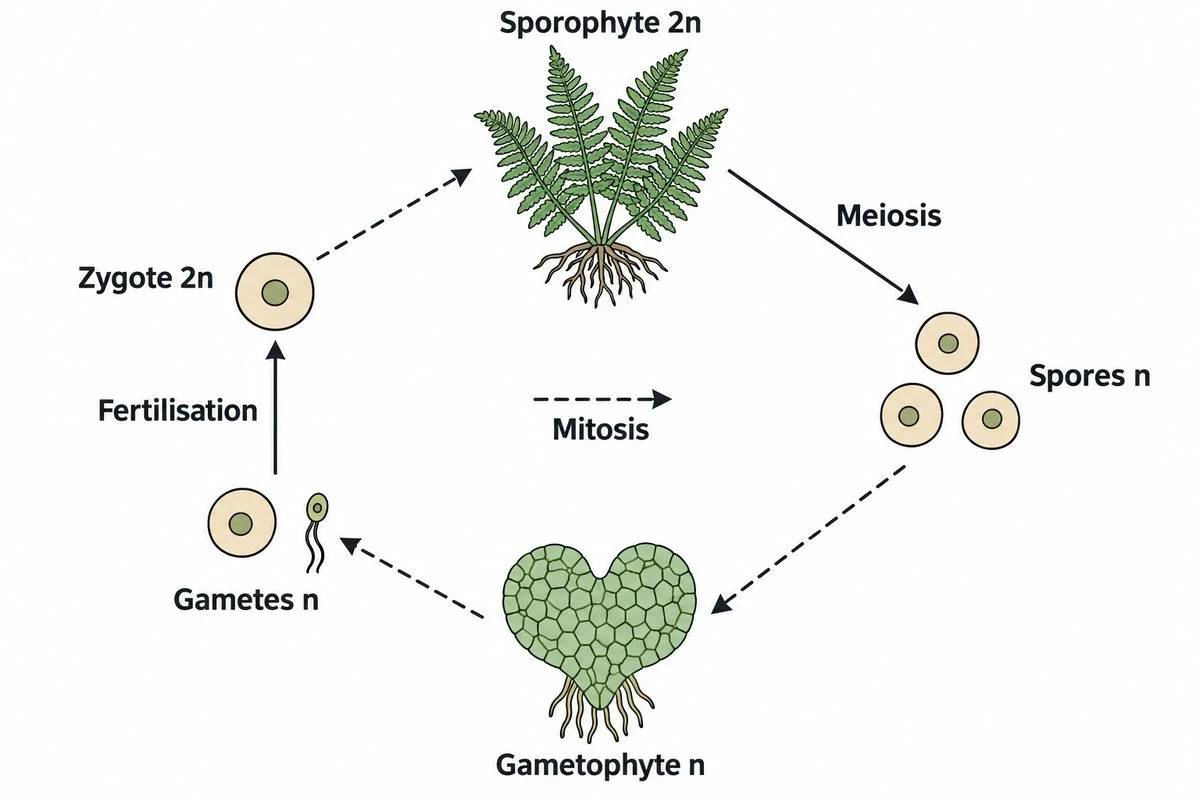
Fern cycle showing two generations and chromosome changes at meiosis and fertilisation.

6. Alternation of generations

Gamete-producing and spore-producing generations alternate during a plant’s life cycle.

Show
In the diagram, n means one chromosome set and 2n means two. Find the fern and prothallus, then follow the arrows through their single-cell stages.
Ask
When these two gametes fuse, how many chromosome sets will the zygote have?
Say
Fertilisation joins gametes, restoring two sets in the zygote.
Used in
Plant breeders use fertilisation to combine traits from chosen parents.
If your child says…“Meiosis joins the egg and sperm.”
Ask
When egg and sperm join, are their chromosome sets being combined or separated?
What’s true
Fertilisation combines chromosome sets, while meiosis reduces their number.

A real problem

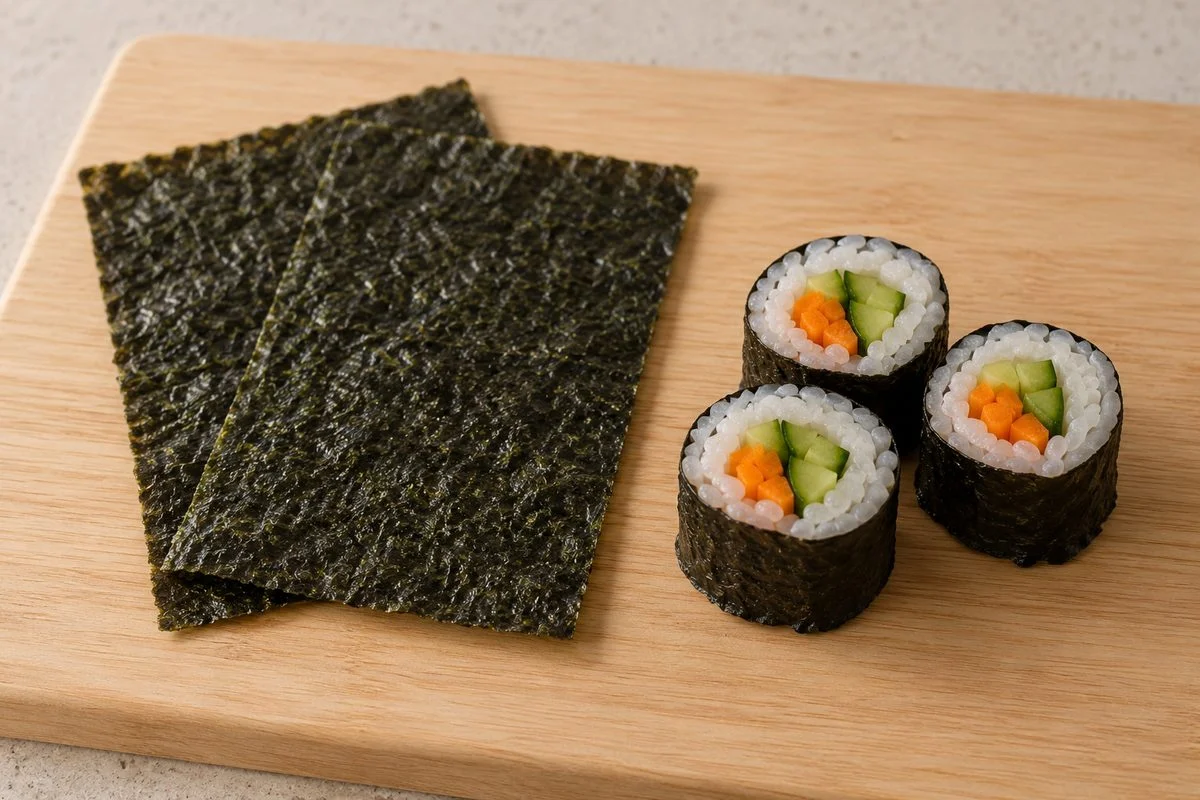
An algal life-cycle discovery helped farmers grow nori more reliably.

Japanese nori farmers faced unpredictable harvests.

In 1949, Kathleen Drew-Baker identified Conchocelis as a stage in Porphyra’s life cycle.

The resulting cultivation techniques gave farmers greater control over growing nori.

Smithsonian Institution ArchivesFAOScience Museum Group

Nori sheets beside homemade sushi rolls on a kitchen board.

Concept Lab · Common misconception

The tempting mistake in Plant Kingdom

Open standalone misconception page →

Do seed plants need flowers to make seeds?

Wrong

A pine produces spores only because it has no flowers.

Why it feels right. Seeds are associated with fruits and flowers.

Right

Gymnosperms produce seeds without enclosing them in fruits.

Worked example

Fern
Spores→No seeds
Pine
Seeds→On cone scales
Pea
Seeds→Enclosed in fruit
The three plants differ in what they produce and how they enclose it.
  1. A fern disperses spores and makes no seeds.
  2. A pine can carry seeds on cone scales.
  3. A pea plant makes seeds enclosed in a fruit that develops from the ovary.

Ask your child six quick questions.

One per step. The answer and the reason are given.

  1. Why can’t a cell wall alone identify an organism’s kingdom?

    Several kingdoms contain walled organisms. Cell walls occur in several kingdoms.

  2. How can this filament reproduce without fertilisation?

    Through growth of living fragments. A living fragment can grow into another filament without fertilisation.

  3. Why does moss need surface water during sexual reproduction?

    For sperm to reach eggs. Its sperm swim, although the plant grows on land.

  4. Where must water be available for fern sperm to reach eggs?

    Outside the plant. Internal transport tissues do not carry sperm to the egg-bearing organ.

  5. Was a pine ovule enclosed by an ovary before fertilisation?

    No. Gymnosperms lack the surrounding ovary that would form a fruit.

  6. Which process reduces chromosome sets during spore formation?

    Meiosis. Meiosis reduces two chromosome sets to one; fertilisation combines sets.

15 more questions with answers